
Ginger Companion Plants: What to Grow Nearby
Finding ginger companion plants with real evidence behind them is harder than the garden internet suggests. The extension and botanical-garden sources reviewed for this article name no verified ginger pairings, no verified bad neighbors, and no spacing numbers. What they do document is what ginger itself needs, and that is a better guide to choosing neighbors than any pairing list.
Why pairings matter for ginger
Ginger is a tropical perennial grown for its rhizomes. Outdoors it is perennial in roughly zones 9 to 12. In zones 5 to 8 you grow it in a container or harvest before freezing weather.
It wants filtered light or partial shade, about 2 to 6 hours of direct sun. Intense full sun can damage the foliage. It also wants rich, organic soil that holds moisture but drains well, with even moisture during active growth.
Those needs are why neighbors matter. Anything you plant nearby changes the shade, the watering, and the soil around the rhizomes. A bad fit won’t poison ginger, but it can leave you watering for one plant while drowning the other.
Ginger is also slow. Rhizomes typically need about 8 to 10 months to mature, though a University of California source reports harvesting younger ginger in about 4 to 6 months. Whatever shares that space has to be compatible for a long stretch.
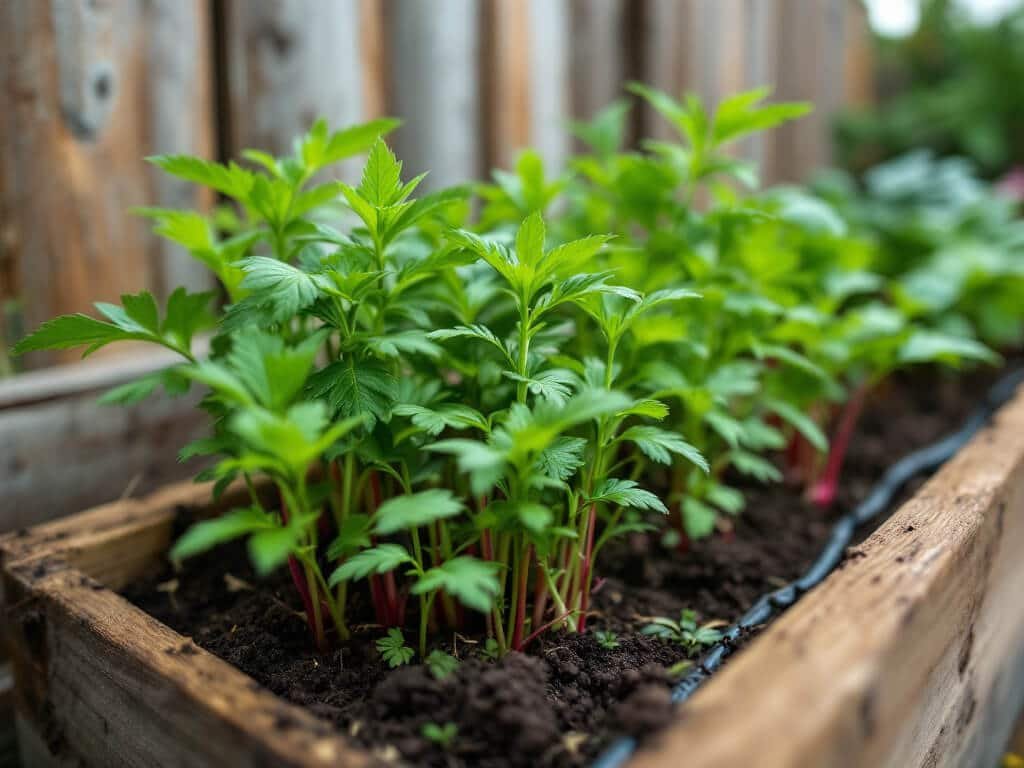
Best companion plants for ginger
I can’t give you a list of proven ginger companions, because none of the sources reviewed provide one. No plant has a verified benefit to ginger or a verified spacing from it. Anyone who hands you a precise list with distances is guessing, and I’d rather not pass guesses along as fact.
What you can do is pick neighbors by whether they tolerate the same conditions ginger needs:
Filtered light or partial shade, not all-day full sun
Rich, organic soil
Consistent moisture, in soil that still drains
A plant that meets all three can share space with ginger without fighting it over water or light. That is a compatibility check, not a documented benefit. Check the plant’s tag or an extension listing before you commit, and treat the first season as a trial.
Spacing is the other gap. The sources reviewed don’t give a mature size for culinary ginger, so I won’t offer a number. Leave enough room that the neighbor’s foliage doesn’t push ginger into deeper shade than the 2 to 6 hours of direct sun it likes, and enough that you can water ginger without soaking everything else.
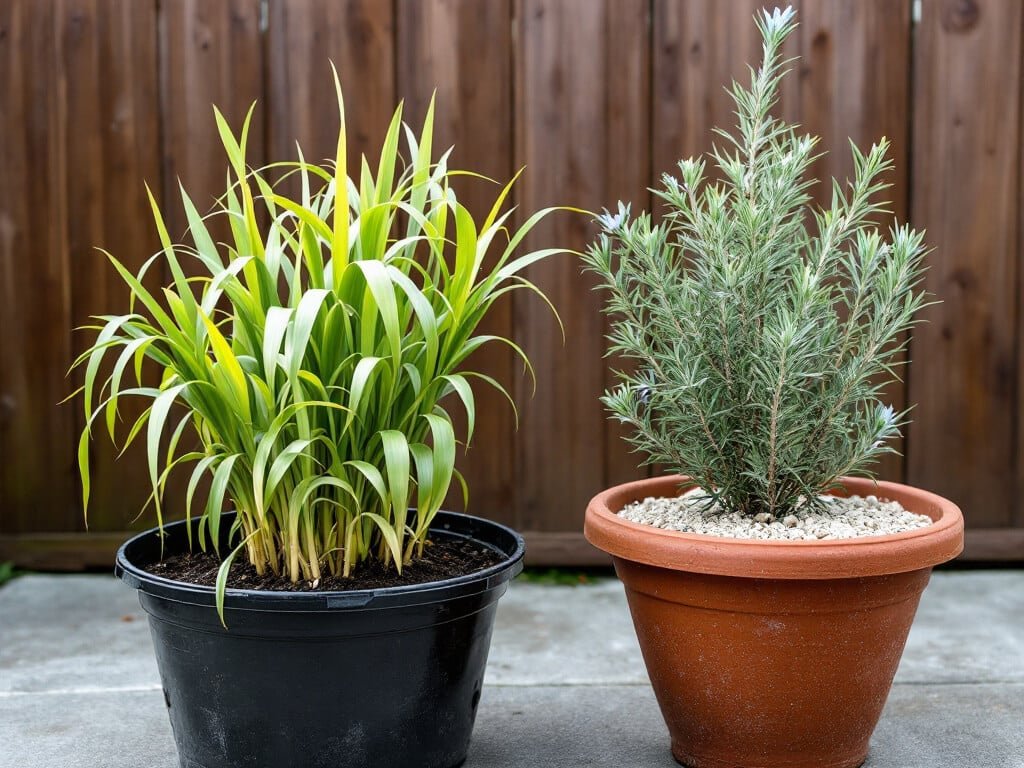
What not to plant with ginger
No reviewed extension, RHS, or botanical-garden source identifies a plant that is a demonstrably bad companion for ginger. Nothing is documented about allelopathy, shared pests, or nutrient competition. So there is no avoid list that holds up.
The practical advice is about conditions. I’d skip plants that need dry soil or all-day full sun in the same bed or pot as ginger. Their needs run opposite to ginger’s, and one of the two plants will be unhappy. That is a reasoned judgment from ginger’s requirements, not a documented incompatibility.
The real danger to ginger is wet and cold. Cold, waterlogged soil encourages rhizome rot, which is the principal documented problem. A neighbor that needs constant heavy watering in poorly draining soil puts ginger at risk.
The myth about pest-repelling companions
You will see claims that particular herbs or flowers repel ginger pests or increase ginger yields. The extension and RHS sources reviewed do not support this. No ginger-specific companion evidence turned up. Don’t count on a neighbor plant to protect your crop.
The pests that are documented are root rot in cold or excessively wet conditions, and red spider mite on plants grown under glass. Both are managed by how you grow ginger, not by what stands next to it.
Layout and spacing
Treat ginger as a crop with environmental requirements first and a companion planting second. Place it where it gets filtered light and steady moisture, and keep the rhizome zone well drained. In zones 5 to 8, a container makes it easier to protect the plant from cold and wet winter conditions.
Choose a spot with partial shade and roughly 2 to 6 hours of direct sun.
Use rich, organic, moisture-retentive soil that drains well.
Keep neighbors to plants that tolerate the same light, soil, and watering.
In zones 5 to 8, plant ginger in its own container so you control drainage and can move it indoors.
Water evenly during active growth, and don’t let the soil sit cold and soggy.
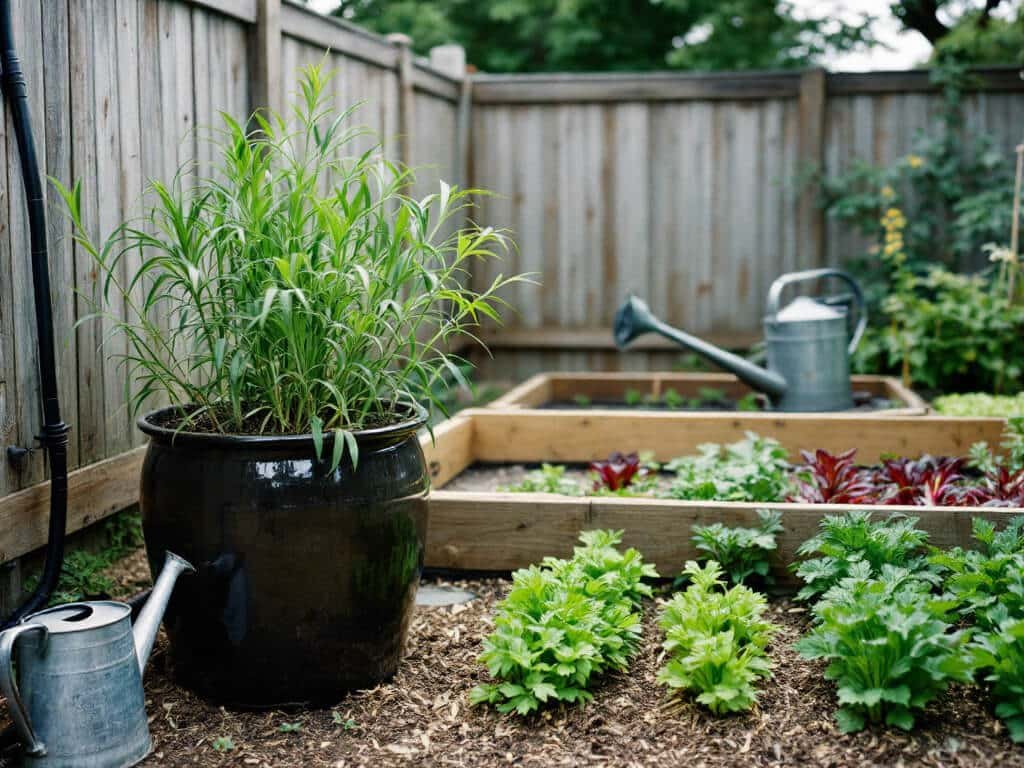
FAQ
Can ginger grow with herbs?
Ginger can share space with plants that tolerate filtered light, rich soil, and consistent moisture. The reviewed sources don’t verify specific herb pairings or spacing, so check each herb’s needs yourself.
Does ginger repel pests?
The reviewed extension and RHS sources do not establish that ginger reliably repels pests from neighboring plants. Ginger itself may get root rot in cold, wet conditions and red spider mite under glass.
Can ginger grow in a container with other plants?
It can be grown in a container, particularly in cooler regions. It needs moisture-retentive but well-drained soil and protection from temperatures below about 50°F while potted. A separate container is the most controllable arrangement when water, drainage, or winter protection differs among plants.