
Snapdragon Companion Plants: What to Grow Nearby
Choosing snapdragon companion plants comes down to one question: what can share the bed without crowding the snapdragons or holding moisture against their leaves? Snapdragons are short-lived perennials that most gardeners in USDA zones 5 to 9 grow as annuals. They want full sun, moist but well-drained soil, and room to dry off after rain.
That narrows the field in a useful way. Any plant that likes the same sun and drainage, and stays out of the snapdragon’s space, is a reasonable neighbor. The ten below fit that description.
One caution before the list. The research behind this article supports these plants as compatible, not as proven pest fighters. Where a benefit is unverified, I say so.
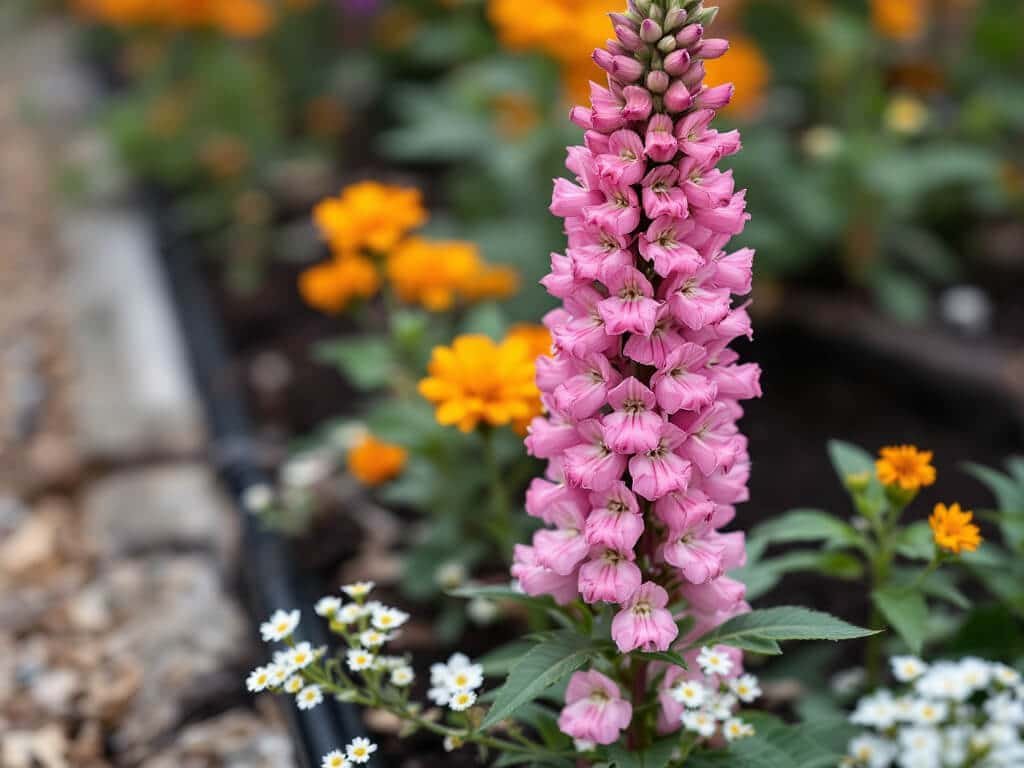
Why pairings matter for snapdragon
Snapdragons are prone to a long list of problems: aphids, antirrhinum rust, powdery mildew, damping-off, downy mildew, Fusarium wilt, leaf spots, and other wilts. Most of the fungal ones get worse when foliage stays wet and air doesn’t move. So the biggest thing a neighbor can do wrong is crowd the snapdragons or sit in a spot that shades them.
Size is the other variable. Depending on the variety, a snapdragon runs from about 30 cm (roughly 12 inches) for dwarf bedding types to about 2 m (around 6.5 feet) for the species and tall forms. A dwarf snapdragon and a tall one need completely different neighbors, so check your variety’s tag before you buy anything to go beside it.
Bloom time matters a little too. Snapdragons typically flower from late spring or summer into autumn, depending on variety and climate. Companions that flower through the same stretch keep the bed looking finished, but the main job is still matching growing conditions.
Best companion plants for snapdragon
All of these share full sun and similar drainage needs. For spacing, follow each plant’s own tag or seed packet and keep it outside the snapdragon’s mature spread. The research does not give a fixed distance for any of them.
Calendula
Calendula likes sun like snapdragon does and adds open flowers that pollinators can reach easily. Use the spacing on your calendula cultivar’s label and keep it outside the snapdragon’s mature spread. No snapdragon-specific trial was found, so treat this as a compatible pairing rather than a proven one.
Zinnia
Zinnias bring summer flowers and pollinator resources to the same full-sun bed. Space them by the zinnia cultivar’s mature width, not by a guessed number of inches. Don’t expect pest control from this pairing, since no snapdragon-specific benefit was verified.
Dahlia
Dahlias give you a different flower shape and more height in a sunny, well-drained bed. Let the dahlia’s mature spread and staking needs decide how far apart to plant. Put them behind the snapdragons unless you’re growing dwarf dahlias, so they don’t cast shade.
Marigold
Marigolds add more flowers and may attract pollinators. That’s the extent of what you can count on. Do not plant marigolds beside snapdragons expecting nematode protection, because that effect is tied to growing marigolds as a cover crop and working them into the soil, not to planting them next to another crop.
Nasturtium
Nasturtium adds low, spreading cover and flowers. The risk is the sprawl, so keep it from creeping into snapdragon crowns and follow the seed packet’s spacing. The source describes possible trap-crop use but does not establish a tested pairing with snapdragon.
Sweet alyssum
Sweet alyssum is a low edging plant with small flowers that beneficial insects can get into. Plant it at the front of the bed so it doesn’t block airflow around snapdragon foliage. The benefit here is mostly about layout and the height contrast, not a documented interaction.
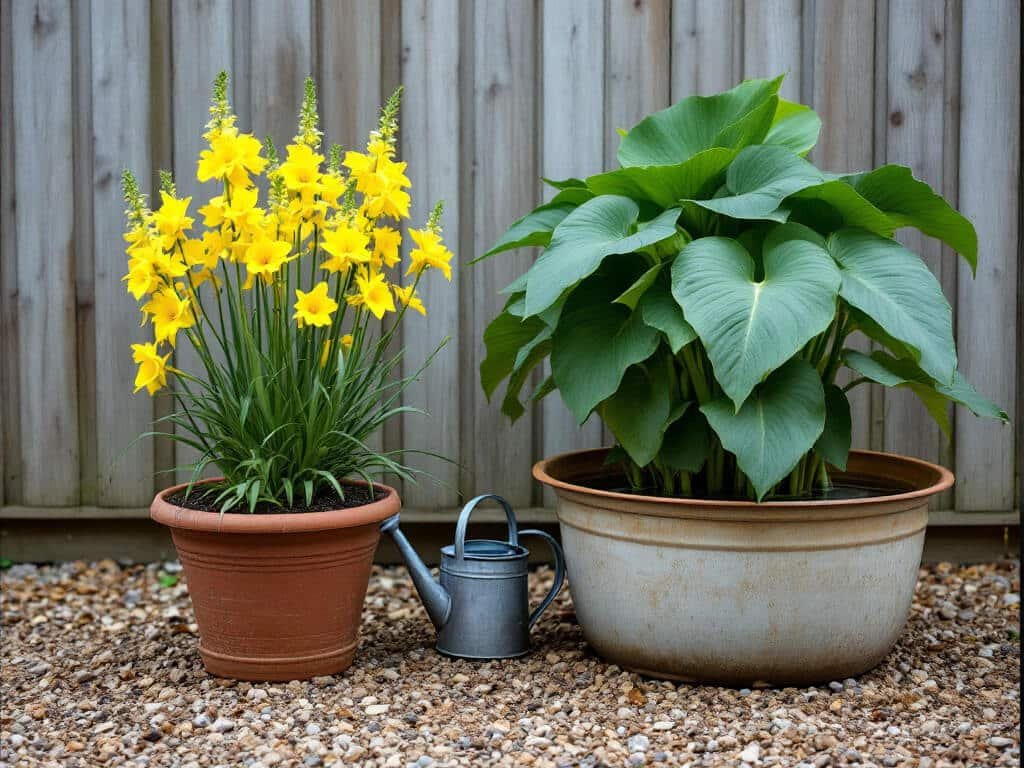
Salvia
Salvia contributes upright flower spikes and pollinator resources, and it shares snapdragon’s full-sun conditions. Use cultivar-specific spacing and avoid planting it so close that it blocks air movement. No specific companion effect was verified, so pick it for looks and compatibility.
Verbena
Verbena supplies low or trailing color in both beds and containers. Pick a cultivar with drainage needs similar to snapdragon’s, and keep its foliage from covering snapdragon stems. In a pot, it works best along the edge where it can spill over the rim.
Echinacea
Echinacea gives you sturdy summer flowers and pollinator resources. Use it as a background plant, and only where its mature size won’t shade the snapdragons. If your bed is small, skip it, because it can end up too big for the space.
Cosmos
Cosmos adds airy foliage and flowers to a sunny border. Plant it where its eventual height will not shade snapdragons, which usually means behind them. Like the others, its compatibility rests on shared light needs rather than a tested interaction.
What not to plant with snapdragon
The problem plants are defined by conditions and habits, not by species. The brief names categories, and I’d treat them as a checklist when you’re standing in the nursery aisle.
Plants that need poorly drained or constantly saturated soil
Snapdragons need well-drained soil. Putting them beside something that wants wet feet means one of them will be in the wrong conditions, and soggy ground can add to root and wilt problems. Keep the bog-loving plants in their own part of the yard.
Dense, mildew-prone plantings
Crowded beds hold moisture on foliage and limit airflow. That’s exactly the setup that favors antirrhinum rust and powdery mildew. If a neighbor plant is itself mildew-prone, planting it tightly against snapdragons gives you two problems in one spot.
Large, aggressive plants right beside snapdragons
A big plant planted immediately next to a snapdragon can shade it or outcompete it for room. Snapdragons need full sun, and shade cuts into that. Use the mature size of both plants to decide spacing instead of relying on a universal rule.
Plants with heavily overlapping aphid problems
Aphids are a documented snapdragon pest. A neighbor that is also an aphid magnet makes it harder to monitor and manage them. No specific pairing was verified as causing a worse infestation, so this is a practical caution, not a proven link.
Water-demanding plants in a shared container
Snapdragons need moisture but also good drainage, and that’s a narrow target. A thirsty companion in the same pot pushes you toward overwatering. In containers, combine only plants with the same watering and drainage needs.
Layout and spacing
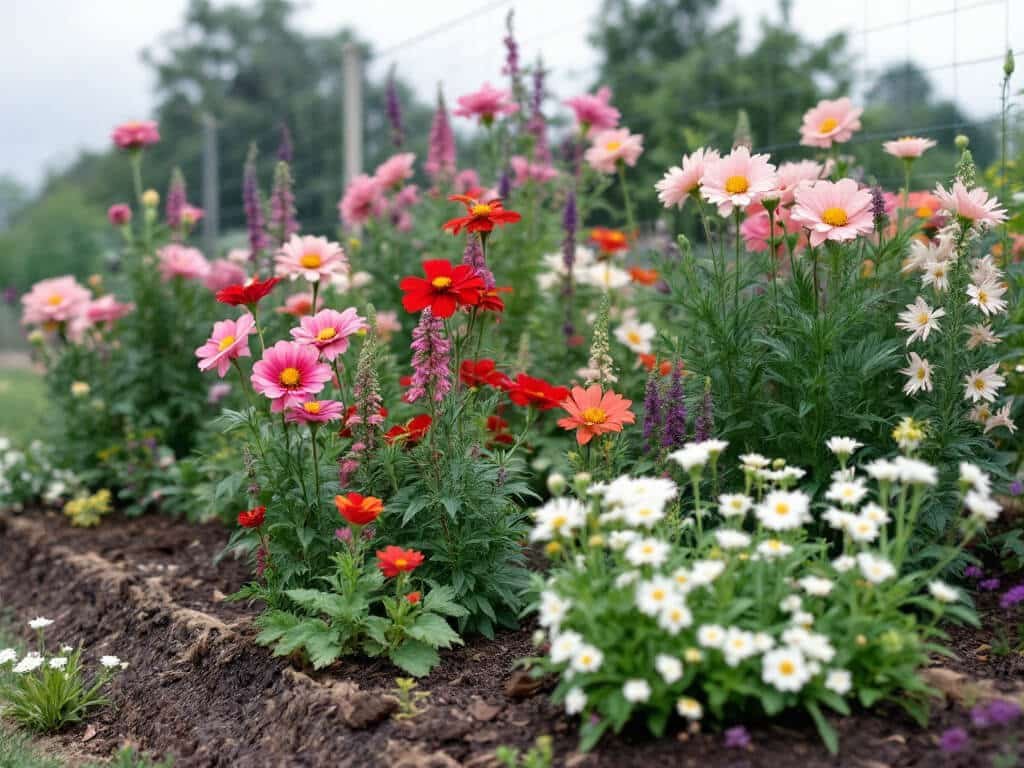
Start with the snapdragon’s mature spread for your variety, then arrange everything else around it. Keep the bed in full sun and leave open space around snapdragon foliage so you can see what’s happening on the leaves.
– Put low companions, such as sweet alyssum, verbena, or nasturtium, at the front of the bed.
– Put taller plants, such as dahlia, echinacea, or cosmos, behind the snapdragons or to the north, so they don’t shade the spikes.
– Use each companion’s labeled spacing and keep it outside the snapdragon’s mature spread.
– In containers, combine only plants with the same drainage and watering needs.
– Leave enough gap around snapdragon foliage for airflow and for checking leaves for aphids and rust.
FAQ
Do snapdragons repel pests?
No verified source here establishes snapdragons as a pest-repellent plant. They can be susceptible to aphids, so companion planting should not replace monitoring and appropriate pest management.
Can marigolds protect snapdragons from nematodes?
Not reliably when simply interplanted. The available source separates nematode suppression from a marigold cover crop that gets worked into the soil from the unsupported claim that ordinary companion planting does the same.
How much space should companions need?
There is no single spacing figure, because snapdragons range from dwarf forms around 30 cm to tall forms approaching 2 m. Use the snapdragon’s mature spread and the companion’s labeled spacing, while keeping full sun and airflow.