
How to Soften Hard Soil for Healthier Plants
If you need to soften hard soil, the fix is mostly organic matter, good timing, and keeping your feet off the bed. Digging in sand, renting a tiller every spring, or working the ground right after a rain will usually make things worse. The methods below hold up across USDA zones 5 to 9 and work for clay-heavy beds and compacted ground alike.
Expect gradual improvement. You can loosen a bed in one session, but real structure builds over a season or more as compost breaks down.
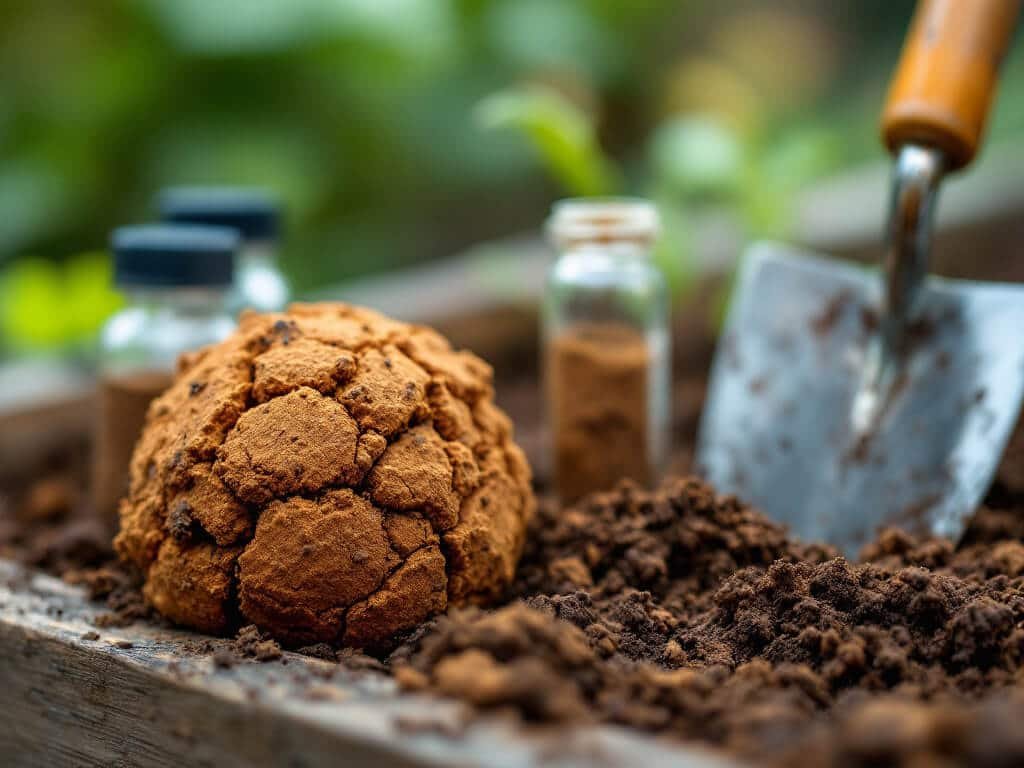
What you need
Most of this is basic gear you may already own.
– A soil-test kit or a laboratory soil test (pH, nutrients, and organic-matter level)
– Compost or another mature, low-salt organic amendment such as leaf mold or suitable manure
– A garden fork, spade, or broadfork, which loosen soil without pulverizing it
– A wheelbarrow and a measuring container, so you spread amendments evenly
– Organic mulch: compost, chopped leaves, or wood chips
– A hose or watering can, used only when needed
– Optional: cover-crop seed for a large vegetable plot
Test the soil and check its moisture
Start with a soil test so you know what you are fixing. It reports pH, nutrients, and organic matter before you add anything. Michigan State Extension recommends retesting about every three years.
Then check moisture before a fork goes in. Squeeze a handful of soil and poke it. If it stays molded in a ball, it is too wet. Wait until it breaks apart when poked.
Do not dig or cultivate wet soil. It smears and compacts, clay especially, and you will end up with harder ground than you started with.
Remove traffic from the bed
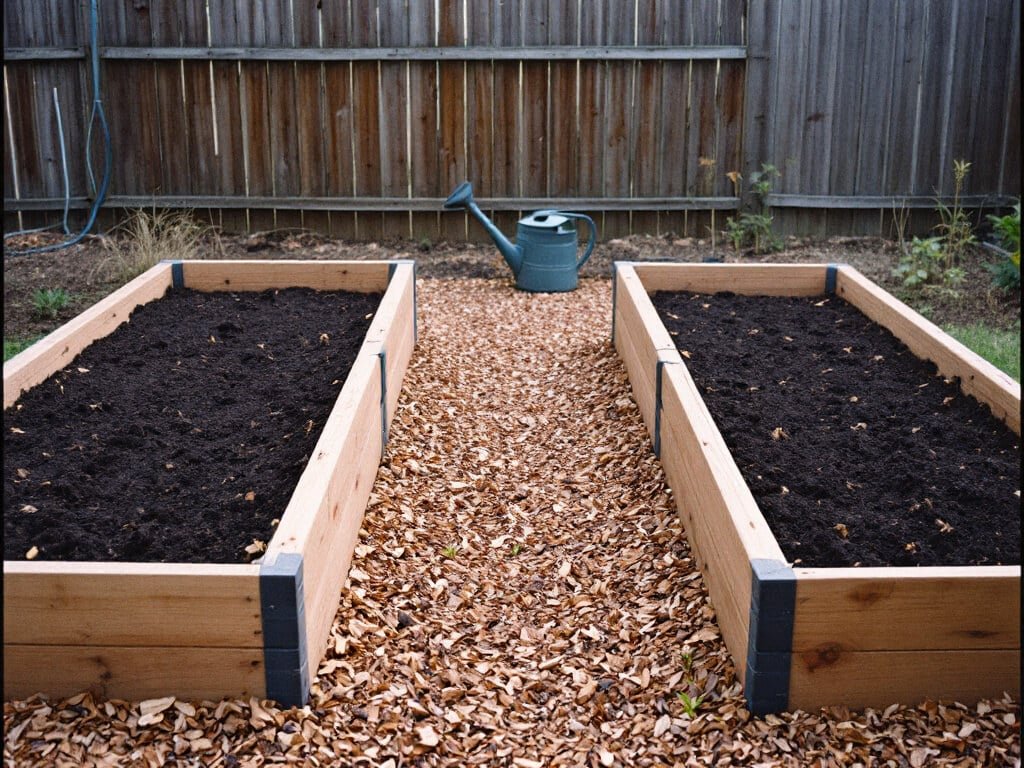
Loosening a bed and then walking across it undoes the work. Find the cause of the compaction first. Foot traffic and equipment on growing beds are the usual culprits.
Set up permanent paths so nobody steps in the planting area. Raised beds with defined walkways make this easier, since the boundary is built in. Skip repeated cultivation as well, which comes up again below.
Loosen the compacted soil
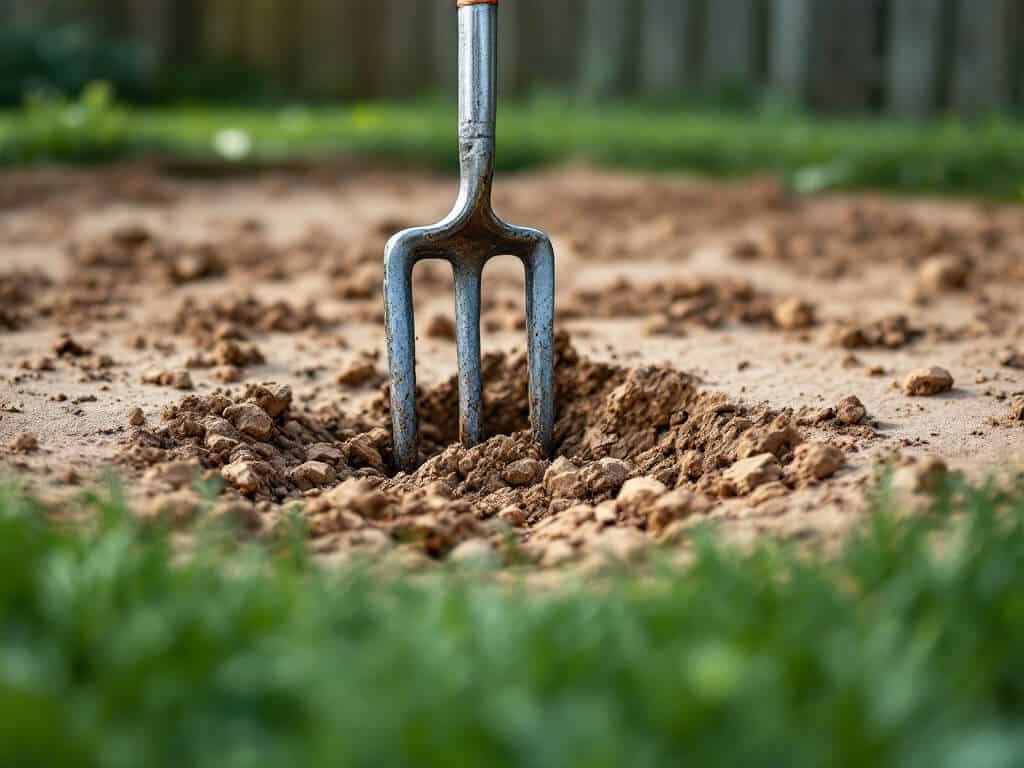
For a small bed, use a fork or spade to work the upper 3 to 6 inches. Push the tool in, lever it back to crack the soil, and move on. You are breaking up the layer, not turning it to powder.
Some beds are compacted deeper than that. If the fork meets resistance below 6 inches, you may need to go farther down. A broadfork is the tool for that job, since it lifts and cracks the soil without inverting it.
Add organic matter
Organic matter is what actually softens hard soil and keeps it soft. It improves aggregation, pore space, drainage, and water-holding capacity, which is why it helps both clay that holds water and compacted ground that sheds it.
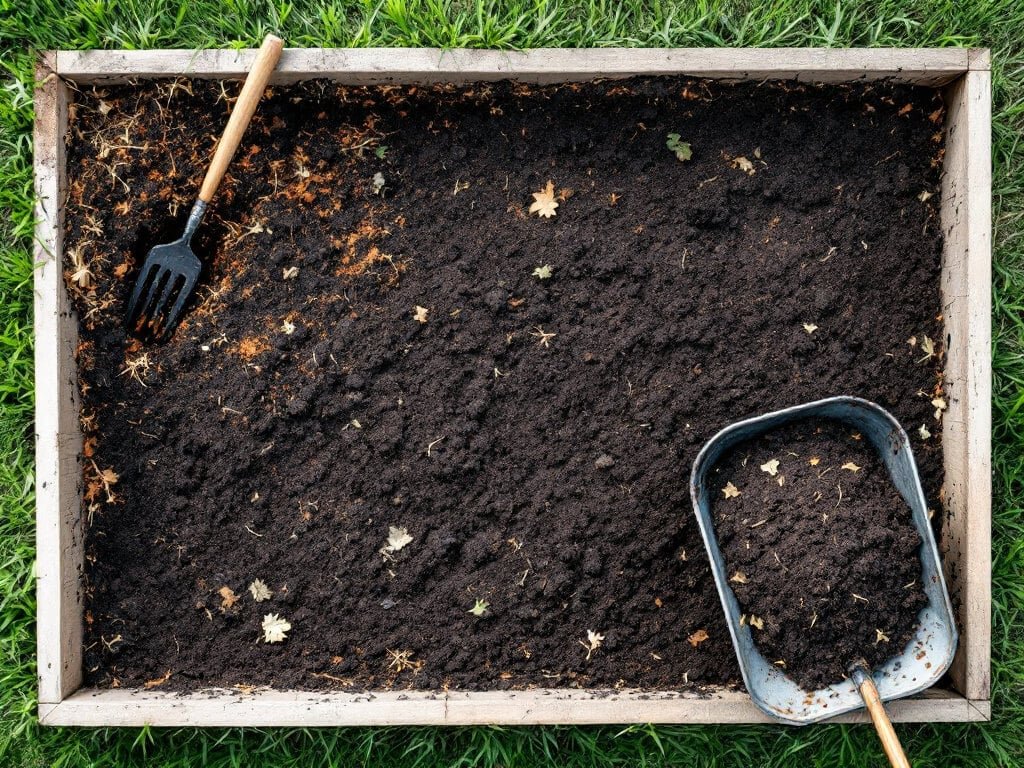
For a new bed, work in about 3 to 6 inches of organic material where appropriate. Use compost, leaf mold, or suitable manure. Other extension guidance suggests a gentler 1 to 2 inches each year for gradual improvement, which suits beds you cannot dig deeply.
Don’t overdo it in one pass. Too much amendment at once can settle and may cause nutrient or salinity problems. Moderate, repeatable applications beat one huge dump.
Mulch the soil surface
Once the bed is loosened and amended, cover it. Mulch protects the surface and helps limit new compaction from rain and traffic. Apply a 1 to 3 inch layer, depending on the material and the site.
Match the material to the spot. Use finer material such as compost or chopped leaves in planting beds, and save coarse wood chips for paths. Compost counts as mulch too. In an established bed, roughly ½ inch of compost a year is enough.

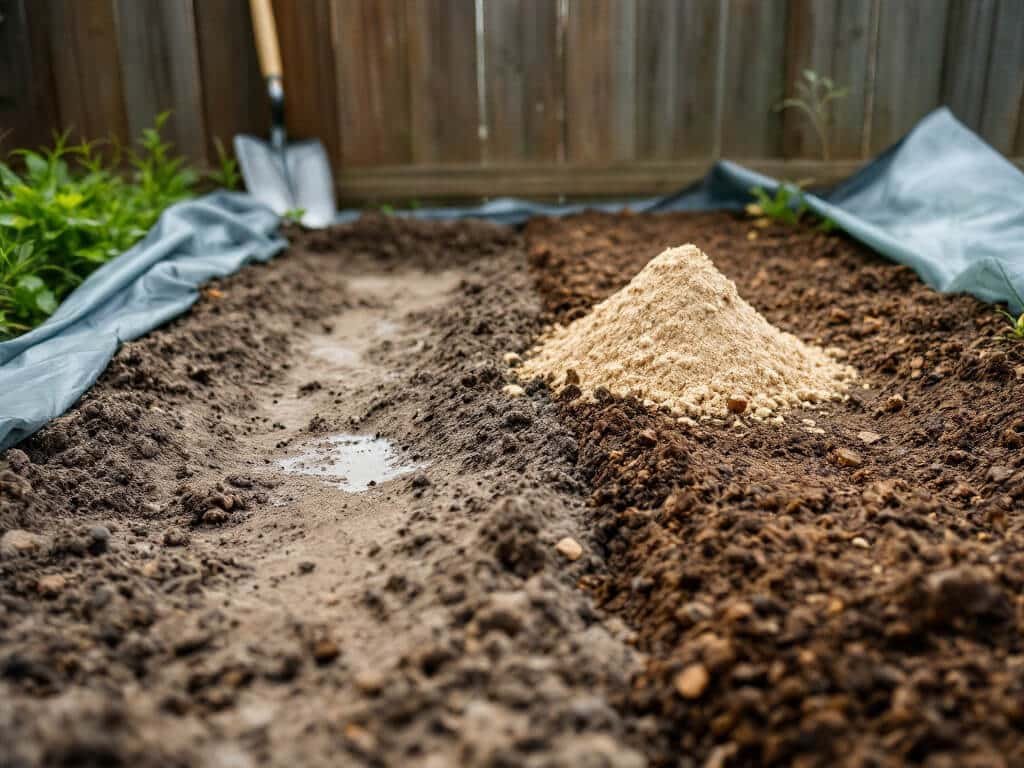
Avoid sand and excessive tilling
A common idea is that mixing sand into clay makes it crumbly. It usually doesn’t. Extension and RHS sources point out that you would need so much sand or grit to change the texture of heavy clay that it is impractical, and small amounts don’t produce a useful change. Use compost or other organic matter instead.
The other trap is the rototiller. Frequent cultivation can destroy soil structure and worsen compaction. Loosen the bed when it needs it, then rely on surface organic matter and mulch to maintain it. Skip annual tilling.
Plant a cover crop when appropriate
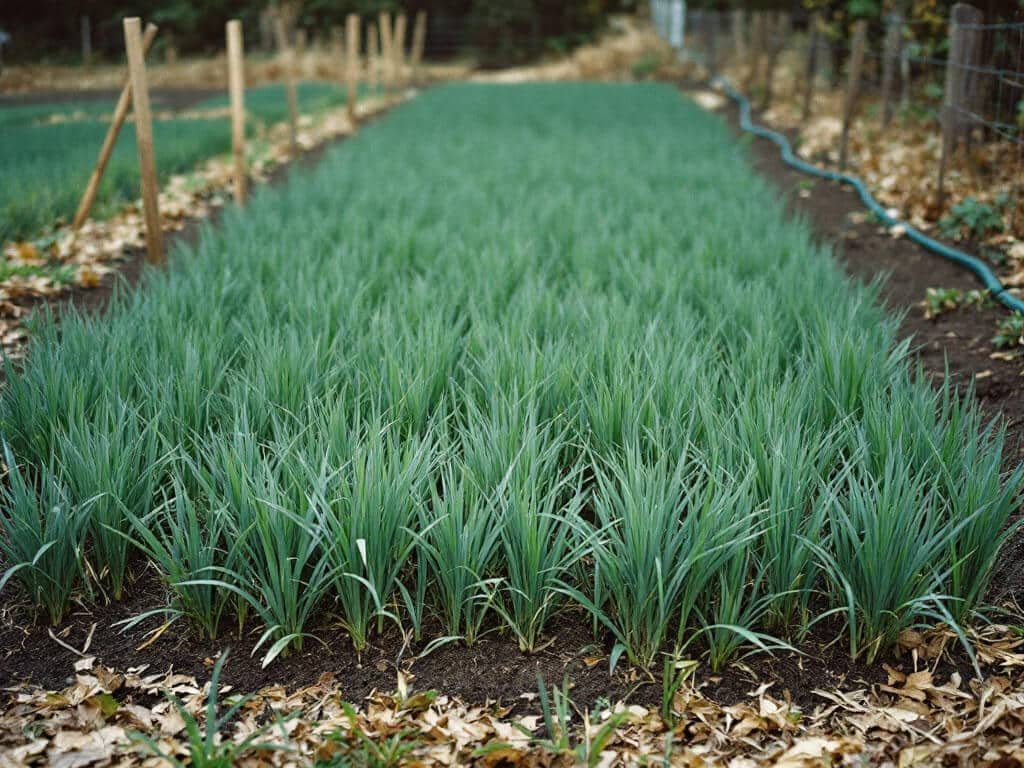
On a larger vegetable plot, a cover crop can help improve compacted soil. It also keeps the ground covered when nothing else is growing. For a few raised beds it is probably more trouble than it is worth.
A seasonal cover crop is generally grown until the following spring. Then you mow it and incorporate it before planting. Do that when the soil passes the squeeze test, not before.
Common problems
These are the mistakes that most often undo the work:
– Working soil when it is wet: This smears and compacts the soil. Wait until it crumbles when squeezed.
– Repeated rototilling: It breaks down structure over time. Loosen only as needed.
– Adding sand to heavy clay: Small amounts rarely change the texture in a useful way. Use compost instead.
– Adding too much organic matter at once: Heavy applications can settle and may cause nutrient or salinity concerns. Stick with moderate amounts.
– Recompacting the bed after improvement: Walking or driving over loosened soil reverses the work. Use permanent paths or raised beds.
– Mistaking poor drainage for dry soil: Compacted soil can have poor infiltration and still hold water. Test drainage and improve the structure rather than watering more.
When to expect results
– Initial loosening: The bed can be easier to work in the same session, as long as the moisture is right and you have incorporated organic matter.
– Structural improvement: Expect gradual change over one or more growing seasons as organic matter decomposes and soil aggregates form.
– Cover-crop contribution: A cover crop runs until the following spring, when you mow it and work it in before planting.
– Ongoing maintenance: Reapply organic matter or mulch every year. An established bed may need about ½ inch of compost annually, while broader guidance supports 1 to 2 inches of organic matter a year depending on conditions.
FAQ
How do you know whether hard soil is too wet to dig?
Squeeze a handful and gently poke it. If it stays in a ball rather than crumbling, wait. Cultivating wet soil can damage structure and increase compaction.
What is the best amendment for hard clay soil?
Extension and RHS guidance generally recommends organic matter such as mature compost, leaf mold, or suitable manure. It improves aggregation, pore space, infiltration, and workability. Adding enough sand or grit to change clay texture is usually impractical.
Should hard soil be rototilled every year?
No. Repeated tilling can damage soil structure. After the initial preparation, use moderate organic-matter additions, surface mulch, and traffic control to maintain the bed.