
Dogwood Companion Plants for a Healthy Garden
Choosing dogwood companion plants comes down to three things: water, light, and room. A dogwood wants moist but well-drained soil, full sun to dappled shade, and space for a canopy that can reach about 15–30 feet tall and wide in the case of flowering dogwood (Cornus florida). Whatever you plant nearby has to live with those terms.
One caution before the list. Dogwood is a genus, and the species differ in size, habit, and hardiness. Flowering dogwood is commonly suited to roughly zones 5–9, while Tartarian dogwood is listed for zones 3–7. The advice below is about conditions and plant types, because that is what holds up. No source I trust has tested specific plant species against dogwood and published spacing figures, so I won’t invent either.
Why pairings matter for dogwood
Dogwoods are not low-maintenance in their first few years. Young plants may need extra water during dry spells for three to four years after planting. A neighbor that wants the soil hot and dry works against that, and one that drinks heavily can leave the dogwood short.
Dogwoods also have a long list of documented problems: anthracnose, Phytophthora root rot, honey fungus, cankers, dogwood borer, dogwood twig borer, and leaf spot. Susceptibility varies by species. Root rot is the one that bears most on companion choices, since it shows up where excess moisture sits. The ideal neighbor tolerates the same moist, drained ground and doesn’t push you toward overwatering or soggy beds.
Light matters too. Dogwoods flower less in deep shade, so companions that cast heavy shade over the tree cost you blooms.
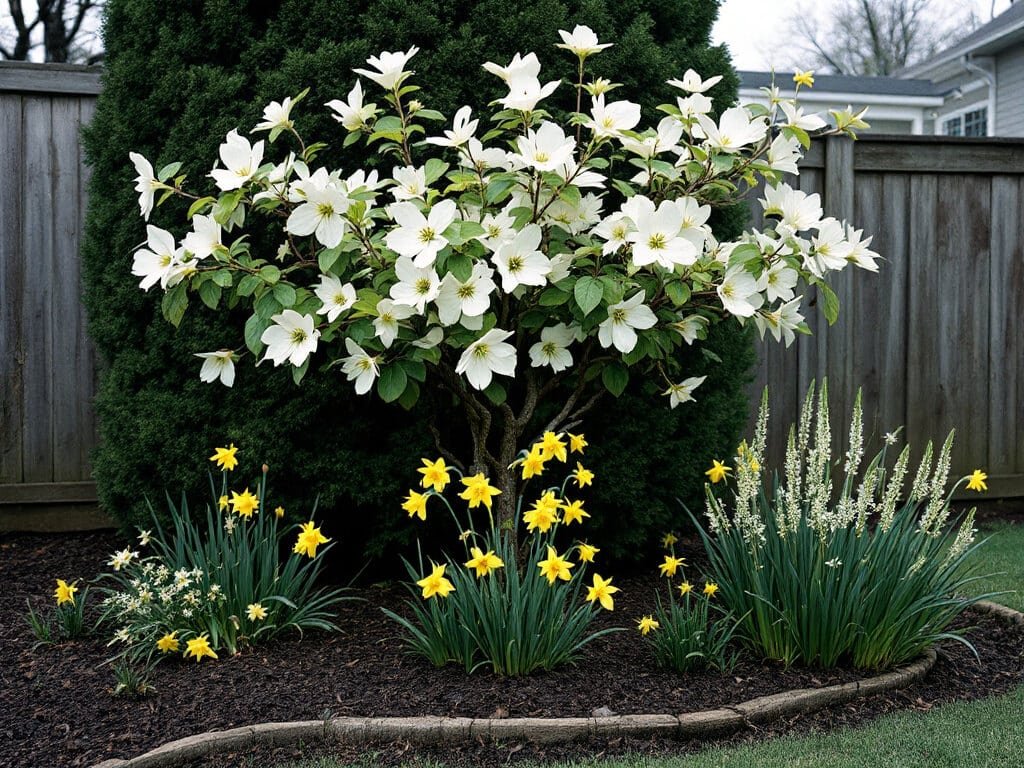
Best companion plants for dogwood
The best pairings are low plants under and around the tree, and evergreen shrubs behind it if you’re growing a winter-stem type. Here is what the research supports. Where no spacing figure exists, the rule is to follow the plant’s own label or mature width.
Spring-flowering and early-season bulbs
Bulbs are my first pick. They sit in the ground layer, bloom before or around the start of the dogwood display, and don’t compete for canopy space. Early bulbs are specifically recommended for underplanting winter-stem dogwoods. No dogwood-specific distance was verified, so plant to the spacing on the bulb package and keep them away from the trunk.
Native woodland perennials
These suit the dappled shade under and beside many flowering dogwoods, and they add variety to a planting meant to support wildlife. No reliable dogwood-specific spacing exists, so use the mature width listed for each perennial. Choose ones that tolerate the moist, rich soil dogwood prefers.
Evergreen shrubs
If you grow red-, orange-, or yellow-stemmed dogwoods, put evergreen shrubs behind them. The dark foliage gives the bare winter stems something to stand out against. Let each shrub reach its full mature width without crowding the dogwood. No universal distance was verified, so check the tag and plan for the grown size.
Moisture-tolerant ornamental plants
Many dogwoods like moisture-retentive soil, so plants with the same preference make easy neighbors. You can water the whole bed on one schedule instead of treating each plant as a special case. Use each plant’s mature-width recommendation for spacing.
Mixed native shrubs
A planting with different species, heights, and ages is recommended for habitat, and it keeps the bed from depending on a single plant type. Space each shrub by its mature spread, and preserve the dogwood’s canopy and root area. No universal figure was verified.
Pollinator-friendly flowering plants
These can add wildlife value to a mixed bed. The available sources don’t name a particular species as a dogwood-specific companion, so treat this as a category and match the plants to your light and soil. There is no verified dogwood-specific spacing.
Leaf-mould or compost mulch
This isn’t a plant, but it does a companion’s job. It adds organic matter and helps hold moisture around flowering dogwoods. Spread it over the root zone, and keep mulch off the trunk instead of piling it against the stem.
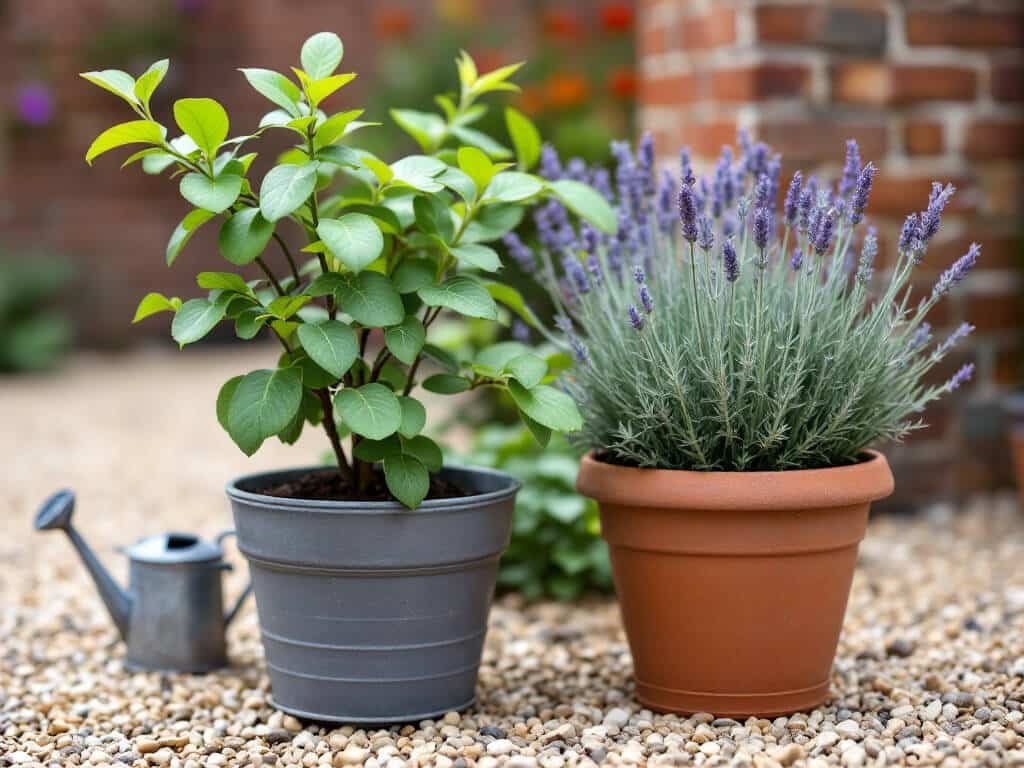
What not to plant with dogwood
The bad pairings are mostly about mismatched conditions. None of these is a named species, because no dogwood-specific list of incompatible plants was verified.
Plants that need hot, dry soil
Dogwood wants moist, moisture-retentive ground. Drought-lovers pull the bed in the opposite direction and can compete for scarce water in a dry spell. Put them somewhere else.
Plants that need full shade
Dogwoods grow in full sun to partial or dappled shade, and shouldn’t be planted in full shade themselves. A plant that needs deep shade won’t be happy where a dogwood’s canopy casts only partial or dappled shade. Pairing the two forces a compromise that suits neither.
Large, fast-growing trees
A big, quick tree can compete for light, water, and root space, and can crowd a dogwood’s mature canopy. I’d skip planting one within reach of the dogwood’s eventual spread. No dogwood-specific tree list was verified, so judge by the tree’s mature size and the 15–30 feet a flowering dogwood may need.
Plants prone to root rot in poorly drained soil
Dogwoods can suffer Phytophthora root rot and other root diseases when excess moisture persists. Planting something that also fails in wet ground doesn’t make the site any better. If water stands in the spot, fix the drainage or pick another location for both plants.
Salt-sensitive plants near deicing salt
Redosier dogwood is itself salt sensitive, so look at the site before planting anything beside a salted walk, driveway, or road. If salt spray or runoff reaches the bed, a salt-sensitive companion is a risk to add on top of the dogwood’s own.
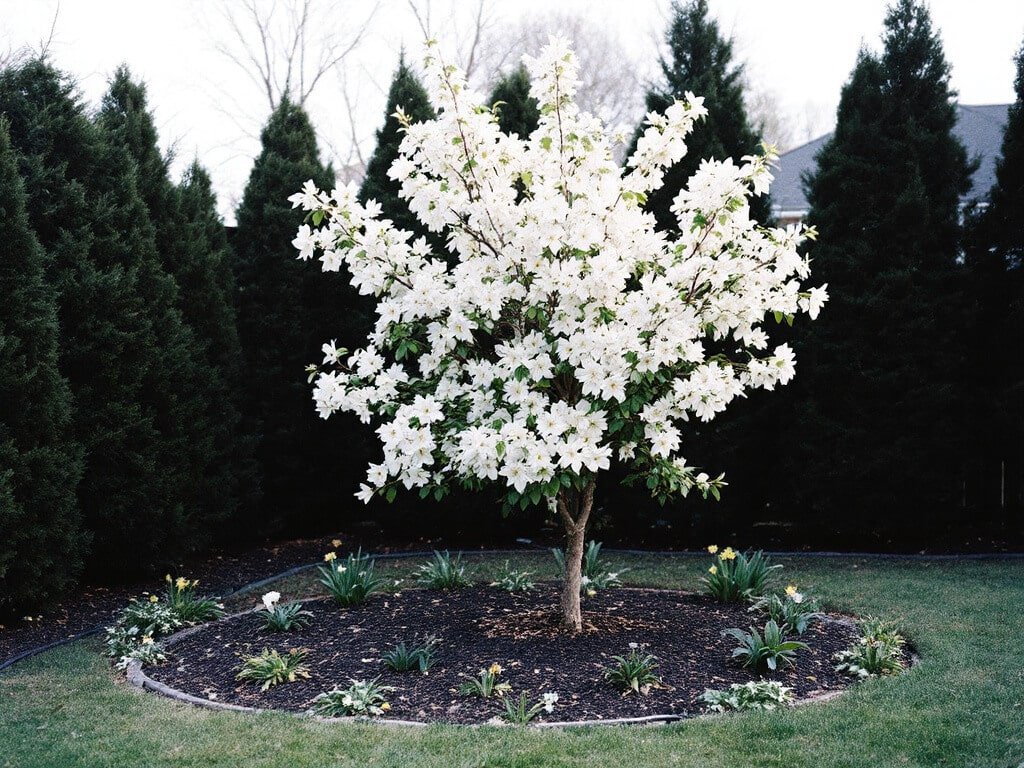
Layout and spacing
Put the dogwood where it gets full sun or dappled shade first, then fit everything else around it. Keep lower plants and bulbs out at the edge of the root area instead of tight to the trunk. No universal distance exists, so let each companion’s mature width set its spacing.
– Dogwood in full sun or dappled shade, with open space for its mature canopy spread.
– Early bulbs and low perennials around the outer root area, not against the trunk.
– Evergreen shrubs behind the tree if you’re growing a winter-stem dogwood, spaced for their grown width.
– Mulch over the root zone, pulled back from the stem.
– Room left for watering, especially in the first three to four years.
FAQ
Can you plant flowers under a dogwood?
Yes. Spring-flowering bulbs are specifically listed as suitable underplantings, and flowering dogwoods work in mixed, wildlife-friendly borders.
Do dogwoods need full sun?
Not always. Flowering dogwoods grow in full sun or partial shade, and Tartarian dogwood is listed for full sun to part shade. Neither should go in full shade, where flowering drops off.
What should be planted behind a red-stemmed dogwood?
Evergreen shrubs or climbers make a good contrasting background for the winter stems. Give them enough mature space so they don’t crowd the dogwood.