How to Grow Bamboo in Pots
If you want to grow bamboo in pots, the decision that matters most is the species, because bamboo is a perennial grass with rhizomes and some types spread while others stay in a clump. A pot is one of the safer ways to hold a spreading bamboo in place, but it doesn’t make the plant maintenance-free. It still needs water, feed, and a new home every few years.
This guide covers choosing a bamboo, planting it, keeping it watered and fed, getting it through winter, and knowing when it has outgrown its container. Hardiness varies widely by species, so the first step is matching the plant to your zone.
What You Need
Gather these before you buy the plant:
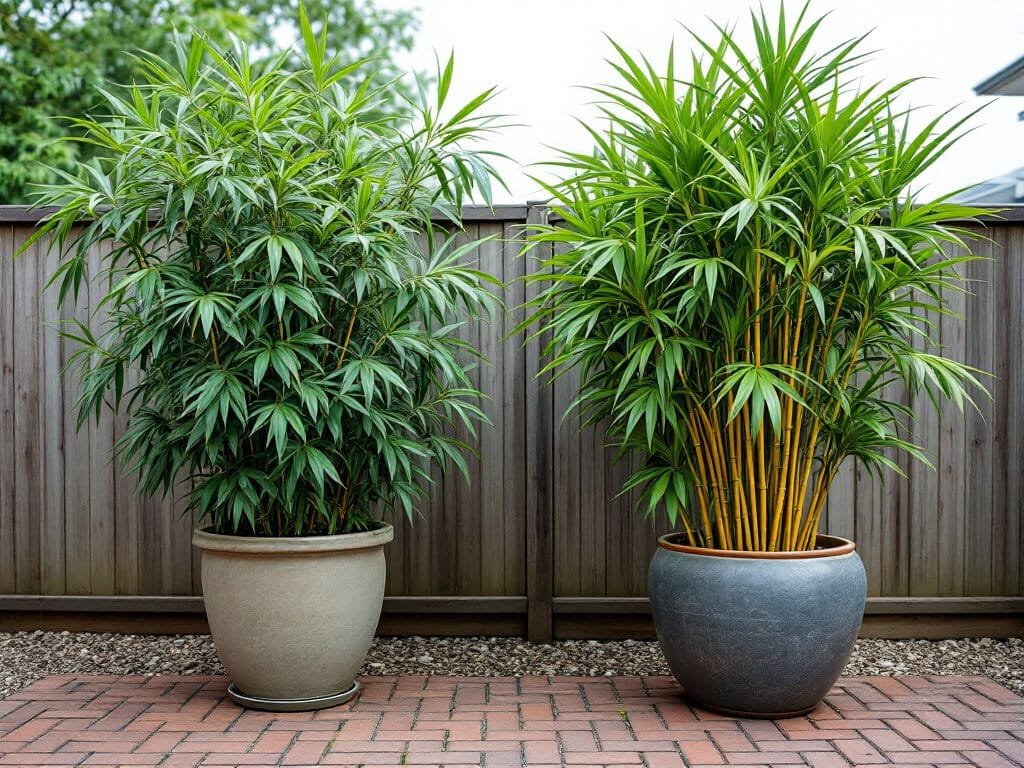
– A sturdy container at least 18 inches deep and 18 inches across, with drainage holes
– Peat-free, loam-based potting mix, comparable to John Innes No. 3
– A bamboo rated for your USDA zone, preferably a smaller or clumping type
– A watering can or hose
– Pruning shears
– A general liquid fertilizer for the growing season
– A larger pot, or tools for dividing the plant, for when the roots get crowded
– Winter protection suited to your species and climate
Choose the Right Bamboo
Hardiness differs a lot from one bamboo to the next. Bambusa ventricosa is hardy only to Zone 9b, while Pseudosasa japonica handles colder climates. Check the individual hardiness rating on the tag or the grower’s listing before you buy, and don’t assume “bamboo” means one set of rules.
For pots, I’d pick a smaller or clumping type. They are easier to manage over the long term, and some container-grown bamboos stay relatively compact. Running types can grow more than 6 feet tall.
Light matters too. Most bamboos prefer sun, though some tolerate part shade or shade. Pseudosasa japonica tolerates full shade, so it’s worth a look if your only open spot is dim.
Select the Container
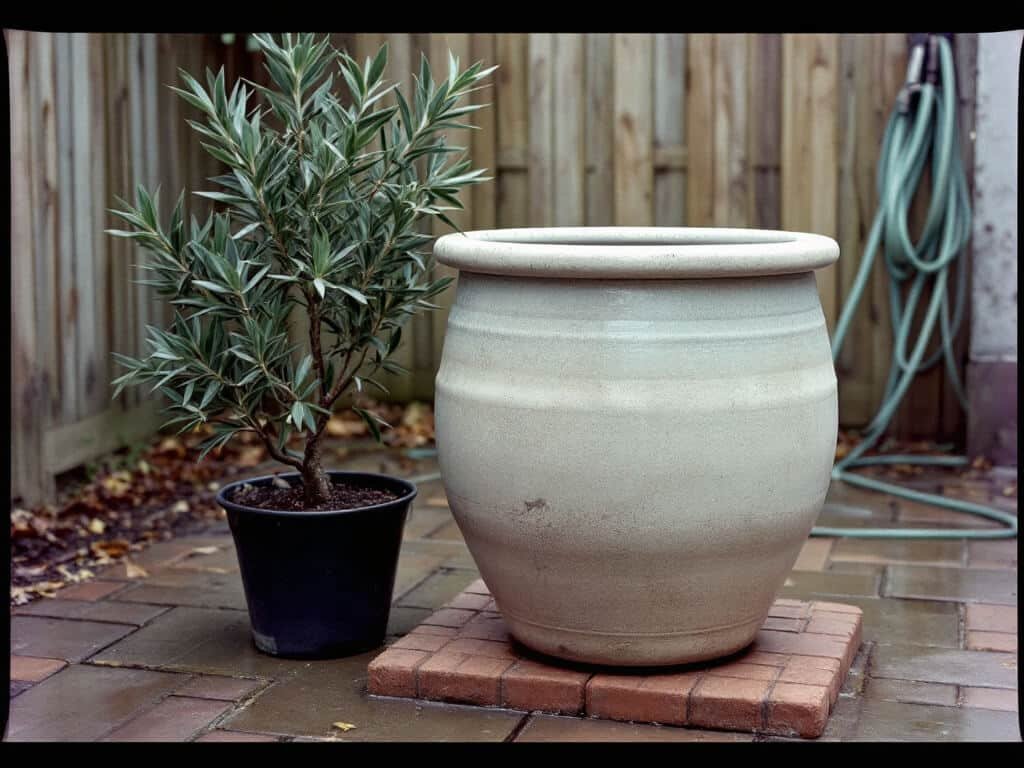
Use a stable pot at least 18 inches deep and 18 inches across. Bamboo gets tall and top-heavy, so a lightweight or narrow pot is a poor choice. Make sure it has drainage holes, because roots that sit wet will suffer.
Smaller bamboo types are the best candidates for containers. If you’ve fallen for a large running type, expect to move it to a bigger pot sooner and to inspect it more often.
If the pot sits on a saucer or a solid surface, don’t let it stand in water. Elevating it slightly so water can drain away is an easy fix.
Fill the Pot With the Right Mix
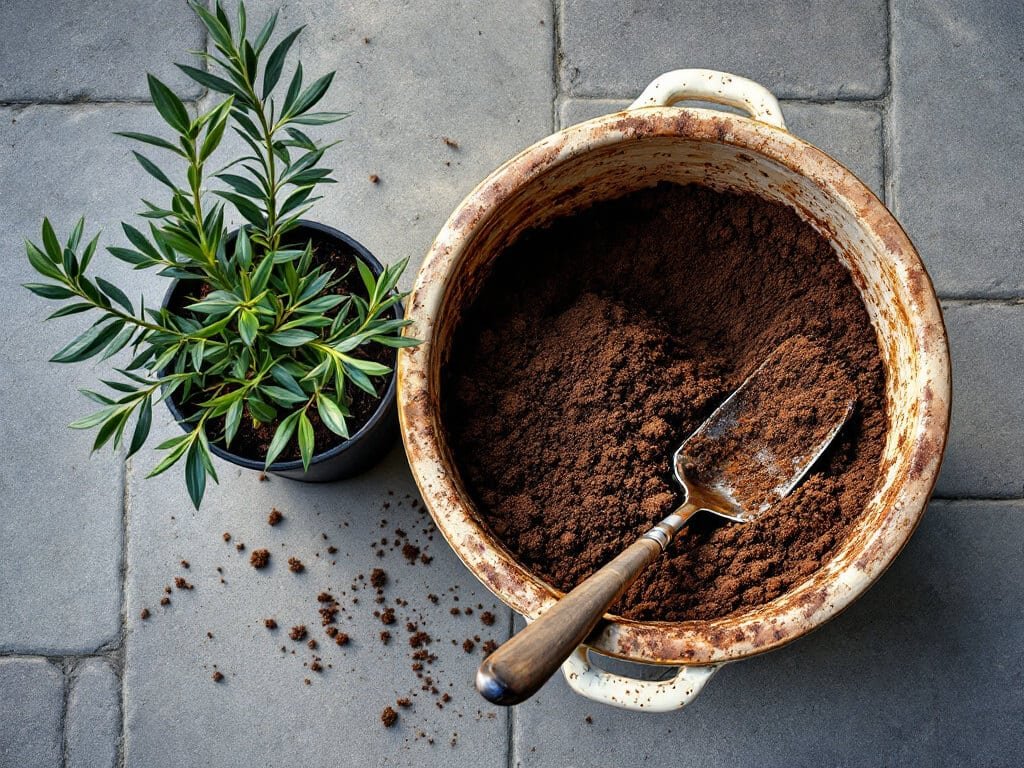
Use a peat-free, loam-based potting mix, comparable to John Innes No. 3, rather than garden soil. You want a mix that holds moisture but still drains freely. Bamboo likes moist, fertile soil, and a container must never stay waterlogged.
Fill the pot so the plant can sit at the right height with room left at the rim for watering. Garden soil tends to pack down in a pot, which works against the drainage you need.
Plant in Spring
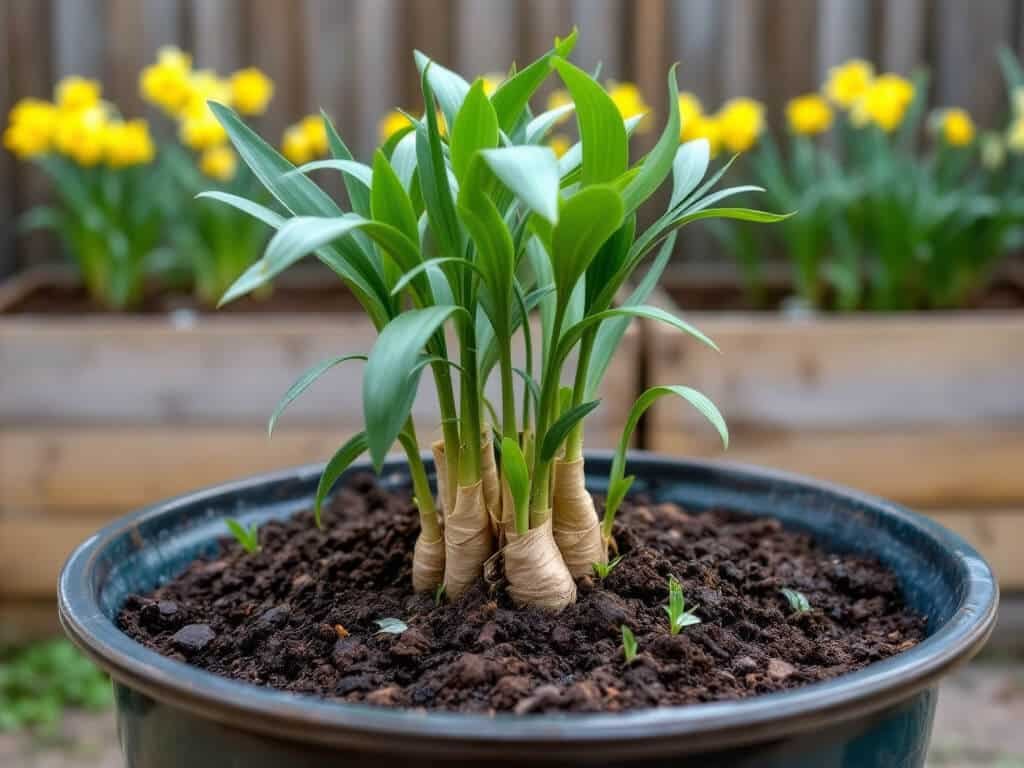
Plant in spring when you can, so the rhizomes have time to establish before winter. Set the root ball so its original soil surface is covered by about 1 inch of mix, no more. Firm the mix around the roots and fill any gaps.
The sources don’t give a reliable number of days for establishment. It depends on the species, the size of the plant, the temperature, and your care. Don’t judge the plant by its first few weeks.
Water and Feed Regularly
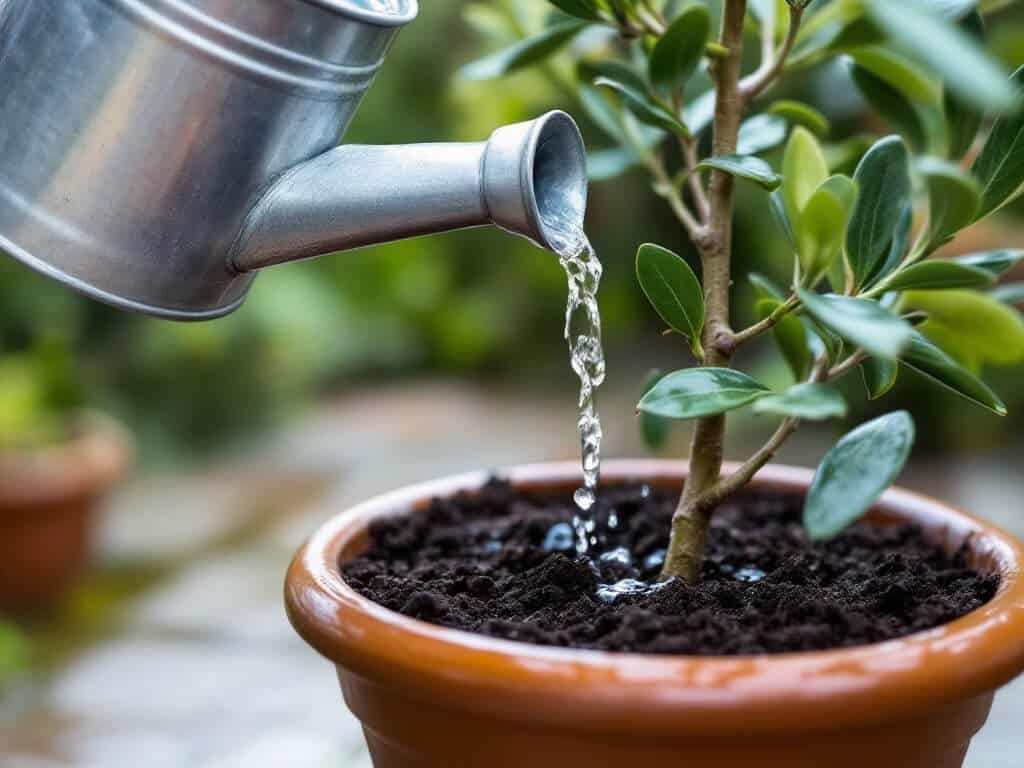
Water thoroughly right after planting, then keep the mix consistently moist. Container bamboo dries out faster than bamboo in the ground, so during the growing season water regularly and liberally. Check the mix before it gets dry rather than after the leaves tell you it did.
The balance is moist but not soggy. Plenty of water works only because the pot drains.
Feed with a general liquid fertilizer from about March through October, adjusting that window to when growth actually starts and stops in your climate. A pot holds a limited supply of nutrients, so bamboo in a container needs more feeding than bamboo in the ground. Weak growth in a pot is often a feeding problem.
Protect Bamboo Over Winter
Start with the right plant. Tropical bamboos such as Bambusa ventricosa cannot tolerate significant frost, so don’t grow one outdoors year-round outside its zone. A species rated for your zone is the best winter protection you can buy.
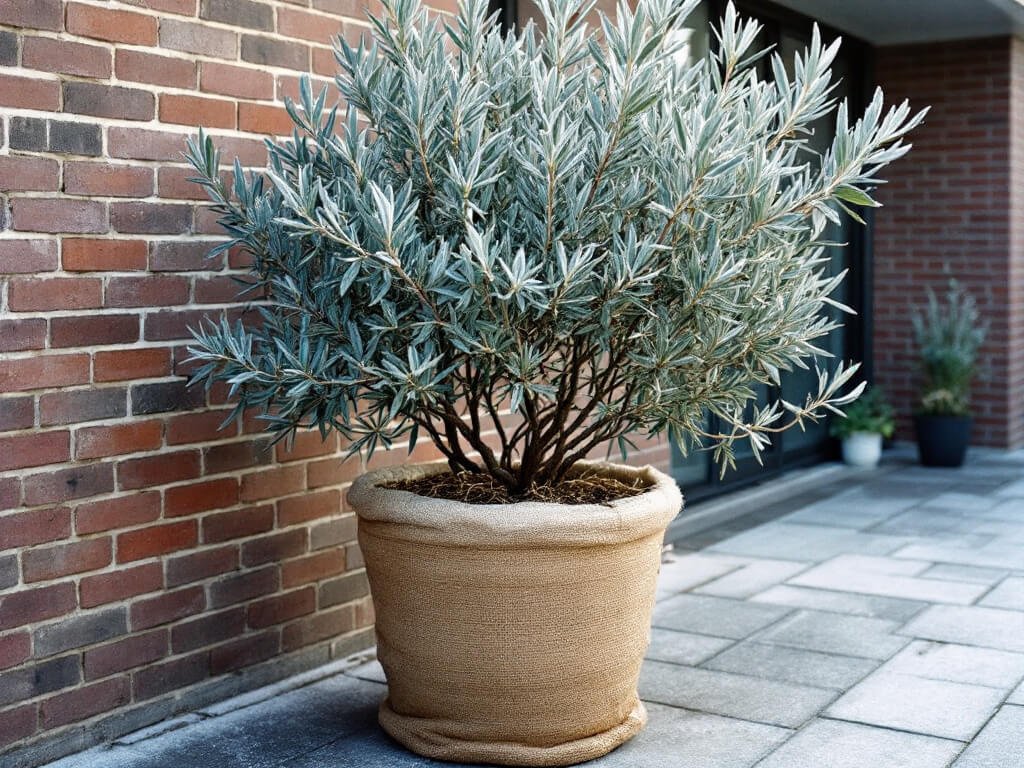
Even a hardy bamboo should have its root system protected from severe cold, because a pot exposes roots to more cold than the ground does. Move the pot somewhere sheltered or insulate the container when a hard freeze is forecast. How much protection you need depends on the species and your local climate, so start from the hardiness rating for your plant.
Repot or Divide When Crowded
Plan to check the root system every few years rather than on a fixed annual schedule. When the roots get crowded, you have two options:
– Move the plant into a larger container
– Divide the clump and replant the sections
Dividing keeps the plant at a manageable size without buying ever-bigger pots. Do the work in spring, the same season you’d plant, so the roots can recover during active growth.
Common Problems
– The plant dries out quickly. Container bamboo loses moisture faster than bamboo in the ground. Water regularly and liberally during the growing season, and check the mix before it dries out.
– Roots stay wet. Poor drainage or overly wet mix can damage roots. Use a pot with drainage holes and a well-drained mix, and don’t let the container sit in standing water.
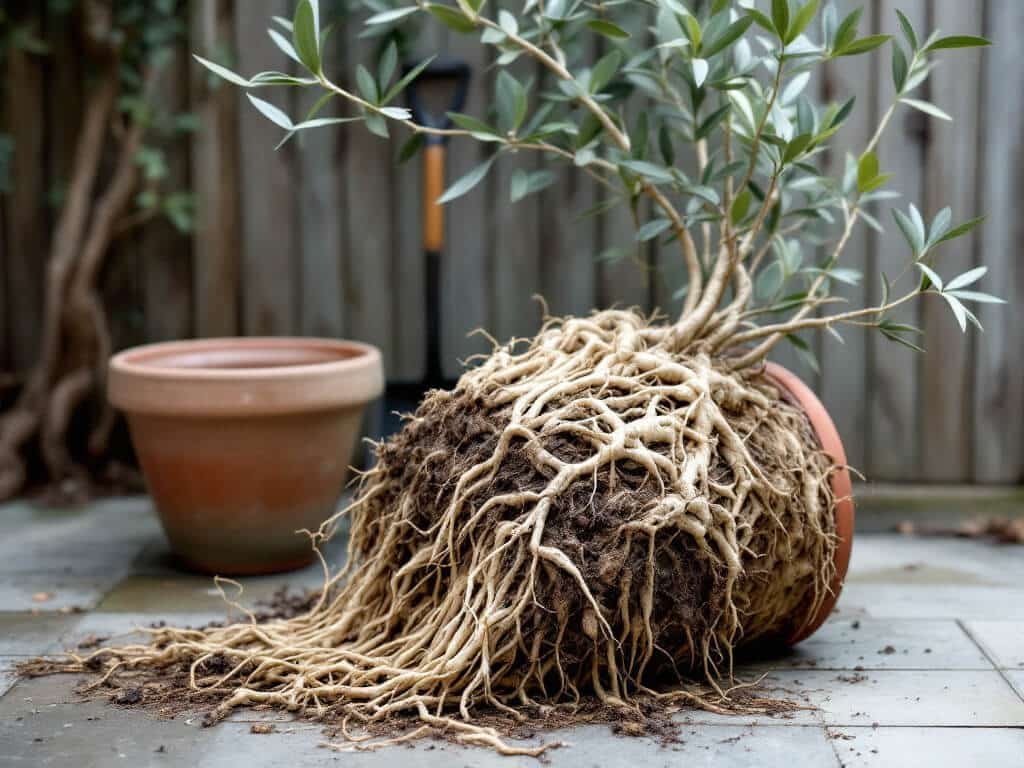
– The bamboo outgrows its pot. Repot into a larger container or divide the plant every few years.
– Winter cold damages the plant. Hardiness varies greatly by species. Choose one rated for your zone and protect the container and root ball during severe cold.
– A running bamboo escapes. A container is one of the safest ways to hold a running bamboo, but it isn’t a permanent fix. Inspect the plant periodically and repot on schedule.
– Growth is weak. A pot has a limited nutrient supply. Apply a general liquid feed during active growth.
When to Expect Results
Bamboo in a pot is grown for foliage and stems, so there is no annual bloom or harvest to wait for. Its main new growth comes during the growing season, though the exact timing varies by species and climate.
The sources give no dependable number of days for establishment, so I won’t invent one. Plant in spring, keep the mix moist, feed through the season, and judge the plant by how it grows over a full year rather than a few weeks. Reassess the roots every few years.
FAQ
What size pot does bamboo need?
Use a container at least 18 inches deep and 18 inches across. Smaller bamboo types are better suited to pots.
How often should bamboo in a pot be watered?
Water regularly and liberally throughout the growing season, because containers dry out faster than garden soil. Avoid persistently wet conditions by using drainage holes and a well-drained mix.
Can running bamboo be grown in a container?
Yes. Containers are among the safest ways to contain running bamboo, although the plant still needs regular watering and repotting or division every few years.