
Amsonia Companion Plants: What to Grow Nearby
Choosing amsonia companion plants comes down to matching sun, drainage, and size, because nobody has published tested amsonia pairings. What the extension sources do give you is a clear picture of what amsonia wants. Pick neighbors that want the same thing and you’ll be most of the way there.
One claim you’ll see repeated is that certain companions repel amsonia pests or prevent disease. The extension sources don’t support it, and they describe companion planting benefits in general as unproven or based on limited studies. Choose plants for how they grow and look together, not for imagined pest control.
Why pairings matter for amsonia
Amsonia is an herbaceous perennial, hardy in zones 5a–8b for Amsonia hubrichtii. It wants full sun to partial shade (full sun means at least 6 hours of direct light) and average to medium moisture. It tolerates occasional dryness and some drought once established. Soil should be average and well drained, whether clay, loam, or sandy.
Two things make it flop: too much shade and soil that is too rich. That matters for companions, because a neighbor that shades it or calls for heavy feeding and constant watering can push amsonia in the wrong direction.
Plan on 12 inches to 3 feet of planting space for amsonia itself. Final size varies by species and cultivar, so check your plant’s tag before you mark out the bed. It also has no major pest or disease problems documented in the extension source I’m working from, which means you aren’t recruiting companions to fix anything. You’re just filling a bed with plants that get along.
Best companion plants for amsonia
Every plant below is a compatible-design candidate, not a proven amsonia partner. No amsonia-specific spacing was verified for any of them, so space each one according to its own mature size and the tag in the pot.
Black-eyed Susan (Rudbeckia spp.)
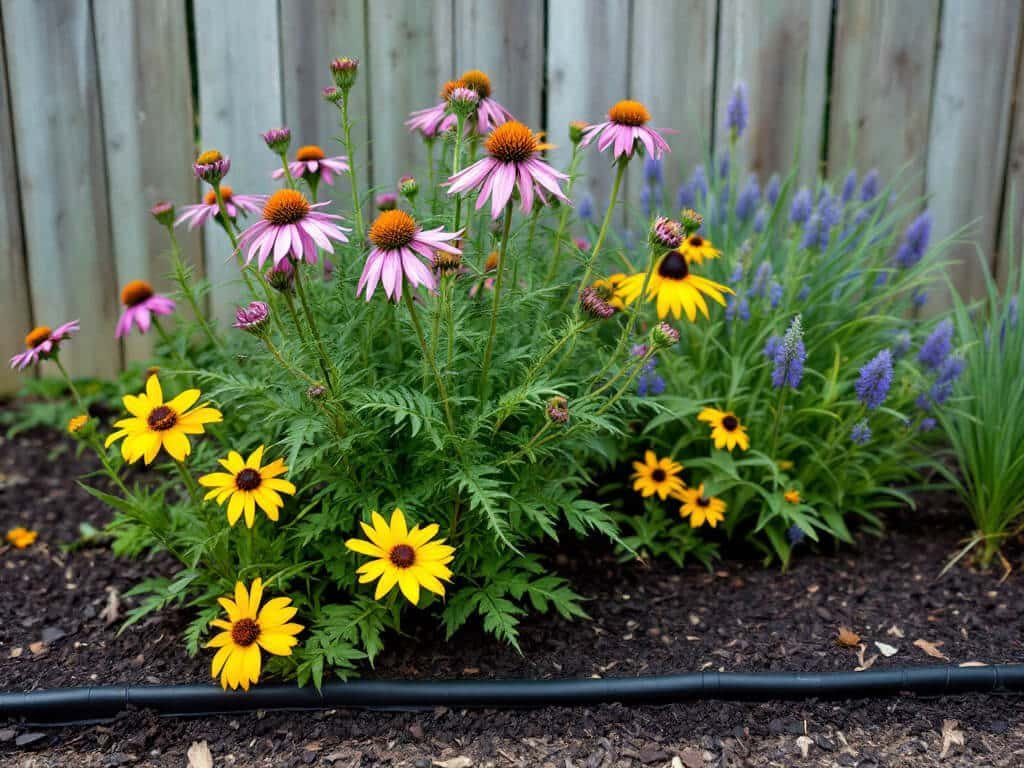
Black-eyed Susan wants the same full-sun, well-drained border conditions as amsonia, so the two won’t fight over watering. It adds summer flowering to a bed that peaks in spring. For spacing, follow the mature spread listed for your Rudbeckia, since no amsonia-specific number exists.
Purple coneflower (Echinacea purpurea)
Purple coneflower has similar sun and drainage preferences. It also gives pollinators more flowers to work in the bed. Space it by its own mature size, because there is no verified amsonia-specific distance.
Blazing star (Liatris spp.)
Blazing star likes full sun and well-drained soil, and its upright form contrasts with amsonia’s shape. That contrast is the main reason to plant it nearby. Give it the spacing on its own plant tag, as no amsonia-specific spacing was verified.
Switchgrass (Panicum virgatum)
Switchgrass tolerates the same sun exposure and adds a structural foliage contrast to amsonia’s leaves. Put it where it won’t shade amsonia, which usually means behind or to the side. Space it by its own mature size, since no amsonia-specific spacing was verified.
Little bluestem (Schizachyrium scoparium)
Little bluestem suits sunny, relatively dry conditions, and its fine-textured foliage makes a clean backdrop or neighbor for amsonia. I’d pick it over a heavier grass in a smaller bed. Use the spacing recommended for the grass itself, because no amsonia pairing distance has been verified.
Garden phlox (Phlox paniculata)
Garden phlox flowers at a different time from amsonia, which gives the border a contrasting bloom period. It does need attention to moisture and airflow, so it’s the pairing on this list that takes the most thought. Keep it where it won’t pull the watering up for the whole bed, and space it by its own mature spread.
Catmint (Nepeta spp.)
Catmint has a low, edging habit and generally compatible sun needs, so it works at the front of the bed where amsonia sits behind. It keeps the edge filled in without crowding upward growth. No amsonia-specific spacing was verified, so go by the catmint’s own tag.
Sedum (Hylotelephium spp.)
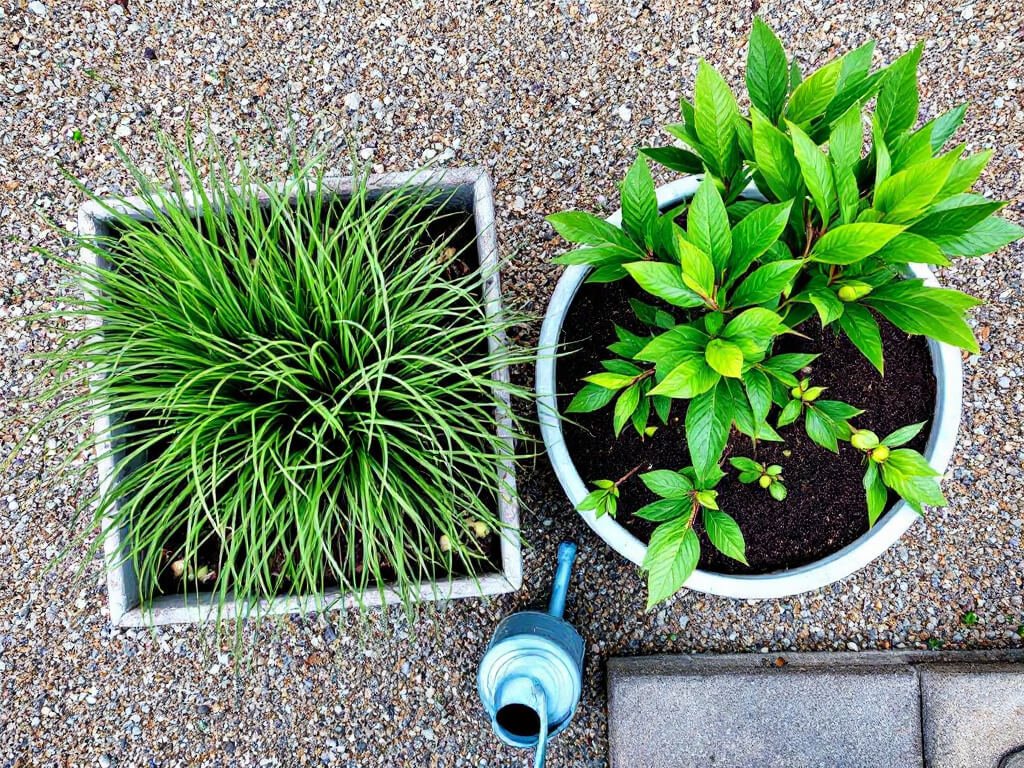
Sedum shares amsonia’s preference for good drainage and its drought tolerance. Its succulent foliage looks different enough from amsonia’s to give the bed some contrast. Space it by its mature size, as no amsonia-specific distance is on record.
Asters (Symphyotrichum spp.)
Asters extend the flowering season in a sunny perennial bed, so the border keeps going after other plants finish. They are a sensible follow-on to a spring-blooming amsonia. Spacing depends on the aster species and cultivar, and no amsonia-specific number was verified.
Butterfly weed (Asclepias tuberosa)
Butterfly weed likes sunny, well-drained conditions, and pollinators use its flowers. It fits the same dry-leaning bed as amsonia without asking for extra water. Give it the spacing on its own tag, since nothing amsonia-specific was verified.
What not to plant with amsonia
No plant has been verified as biologically incompatible with amsonia. What follows are situations to avoid, not proven bad-companion species.
Black walnut (Juglans spp.)
Juglone from black walnut can suppress the growth of many plants, and amsonia’s tolerance has not been established. I wouldn’t gamble on it. If a black walnut is already nearby, treat that spot as a poor choice for amsonia until you have better evidence.
Fennel (Foeniculum vulgare)
Fennel is reported as allelopathic toward some plants. No amsonia-specific interaction was verified, so this is a caution, not a ruling. Planting fennel somewhere else in the yard costs you nothing.
Dense, tall plants immediately south of amsonia
This is a light problem, not a species problem. A thick wall of tall plants on the south side can cut the full sun that helps keep amsonia from flopping. Put tall neighbors to the north or on the sides where they won’t throw shade across it.
Plants that need constantly wet soil
Amsonia prefers well-drained soil and tolerates occasional dryness. A neighbor that needs soggy ground will either suffer or drag the watering for the whole bed upward. Keep wet-soil plants in their own area.
Plants that need highly fertile soil
Overly rich soil is associated with flopping in amsonia. A heavy feeder planted next to it, or a bed amended for one, can encourage softer growth. Group amsonia with plants that do fine in average soil.
Layout and spacing
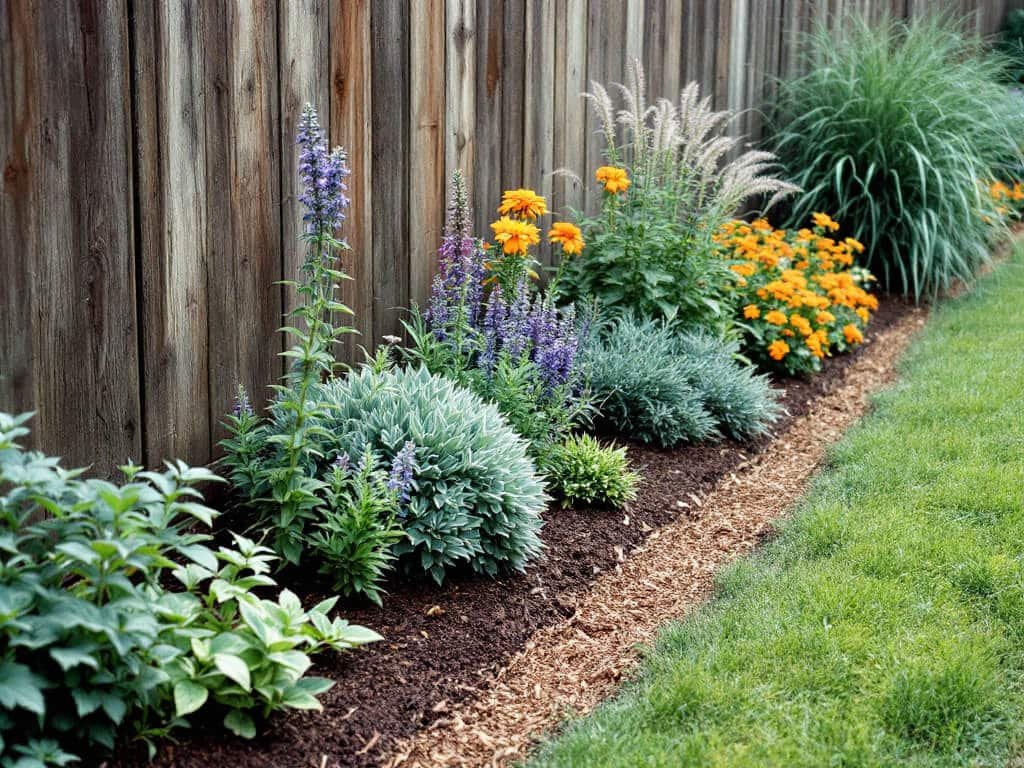
Use amsonia as a middle or back-border perennial, with lower plants at the edge and taller grasses or structural plants behind it only where they won’t shade it much. Group plants with similar drainage and watering needs, and leave room for each plant’s mature spread. No amsonia-companion spacing chart was verified, so the plant tags are your best guide.
Front edge: catmint or sedum, chosen for low growth and similar drainage.
Middle of the bed: amsonia alongside black-eyed Susan, purple coneflower, blazing star, butterfly weed, or asters.
Back or side: switchgrass or little bluestem, positioned so they don’t cast heavy shade on amsonia.
Watch the south side: keep dense, tall plants from blocking the sun.
Keep apart: wet-soil plants, heavy feeders, and anything near a black walnut.
FAQ
Does amsonia need a companion plant?
No. Amsonia grows in average, well-drained soil in full sun to partial shade, and it can be used alone, in borders, or in mass plantings.
Can amsonia grow with drought-tolerant perennials?
Yes. Plants with similar sun, drainage, and moisture needs are the most practical candidates, because amsonia tolerates occasional dryness but doesn’t call for permanently wet soil.
Does amsonia repel pests?
No verified source established that amsonia repels pests or protects neighboring plants from disease. Extension guidance cautions that many companion-planting claims remain unproven or rest on limited evidence.