Edamame Companion Plants: What to Grow Nearby
The most defensible edamame companion plants are brassicas: broccoli, cabbage, kale, and their relatives. That pairing has extension backing, while most other advice you’ll find online (the herb and flower stuff in particular) doesn’t. This guide sticks to what’s actually supported and tells you where the evidence runs out.
Edamame is an annual legume, a specialty soybean grown much like bush beans. It’s a warm-season crop, commonly grown in USDA zones 5–9, though how well it does depends on the cultivar and your local frost dates. It wants full sun and well-drained soil.
Why pairings matter for edamame
Edamame is a legume, and legume roots can add nitrogen to the soil over time as they decompose after harvest. That’s the one well-supported reason to plant it next to something else. Nitrogen-hungry brassicas are the natural match.
The other practical reason is space. Edamame takes up about as much room as a bush bean plant, so a bed with a few short-season crops tucked around it can be used more fully across the season. That’s a layout benefit, not a magic one.
A caution before the list. Beans and soybeans can be hit by insect pests, viruses, root disorders, and white or gray mold, and no companion has been shown to prevent those problems in edamame. Don’t count on any neighboring plant to protect your edamame from pests or disease.
Best companion plants for edamame
Every pairing below comes from Oregon State University Extension’s legume and brassica guidance. No edamame-specific spacing has been verified for any of them. Use the seed packet for each crop and give every plant its full mature space.
Broccoli
Broccoli is a heavy feeder, and nitrogen released from decomposing edamame roots can complement it. Follow broccoli’s own spacing recommendation rather than a made-up edamame-to-broccoli distance.
Brussels sprouts
Brussels sprouts fit the same legume and brassica logic. They’re a big plant, so don’t crowd them, and check both seed packets before you mark out the bed.
Cabbage
Nitrogen left in decomposing legume roots may help a cabbage crop. Give the cabbage the room its packet calls for, and treat edamame as a neighbor, not a filler for the gaps.
Collards
Extension specifically names collards as a brassica that suits legumes like edamame. The benefit is the same nutrient complement after the roots break down. Use the collard packet for spacing.
Kale
Kale is a nitrogen-demanding brassica, which is why it pairs well with a legume whose roots release nitrogen over time. It’s one of the easiest to fit into an existing edamame bed. Space it as the packet says.
Kohlrabi
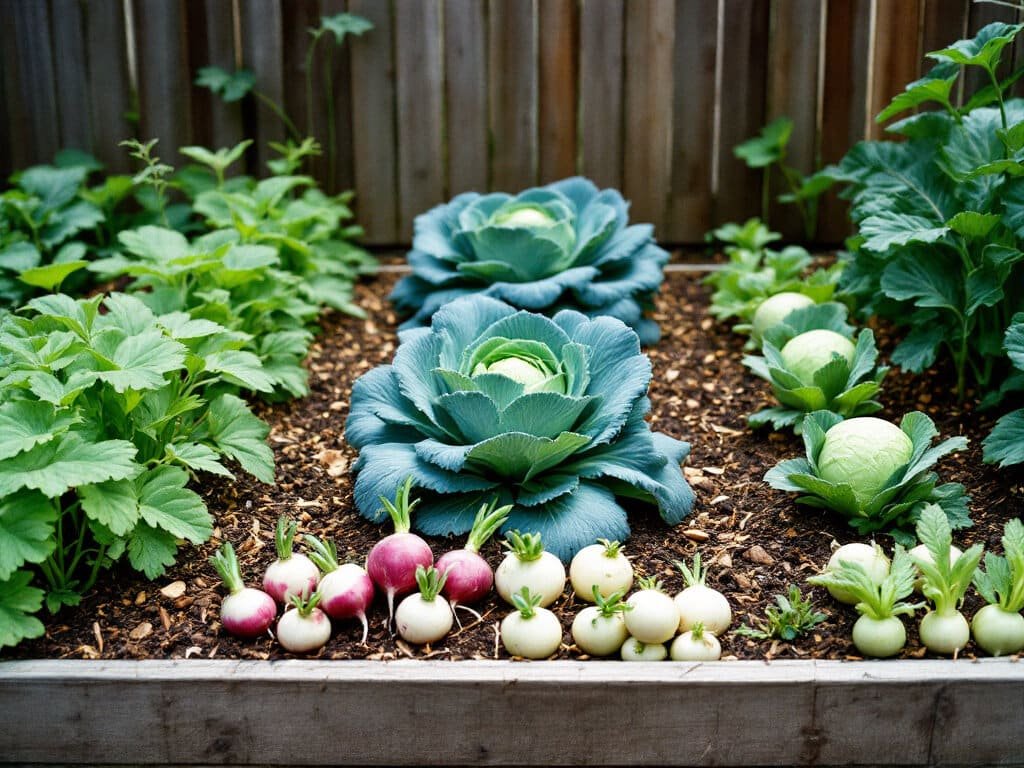
Kohlrabi belongs to a different crop family than edamame, so the two aren’t competing for the same pests or exactly the same nutrients. Extension lists it as suitable for intercropping with legumes, for both space and nutrient reasons. The exact distance isn’t established, so follow the packets.
Rutabagas
Rutabagas are on the extension list of brassicas that can be paired with legumes such as edamame. They’re a root crop, so harvest or thin them before the edamame fills in the space above them.
Turnips
Turnips are a short-season brassica, which makes them useful for staggering. You can harvest them before edamame reaches full size and free up the space. Treat this as a scheduling trick, not proven pest control.
If I were choosing for a first try, I’d start with turnips or kohlrabi. They’re quick enough to plan around, and you’ll learn how the edamame fills out before committing a long-season crop like Brussels sprouts to the same bed.
What not to plant with edamame
Here’s the honest answer: no plants have been specifically verified as bad companions for edamame. The extension source identifies suitable legume and brassica combinations. It doesn’t give a dependable list of plants that harm edamame.
Strongly scented herbs and flowers (as pest control)
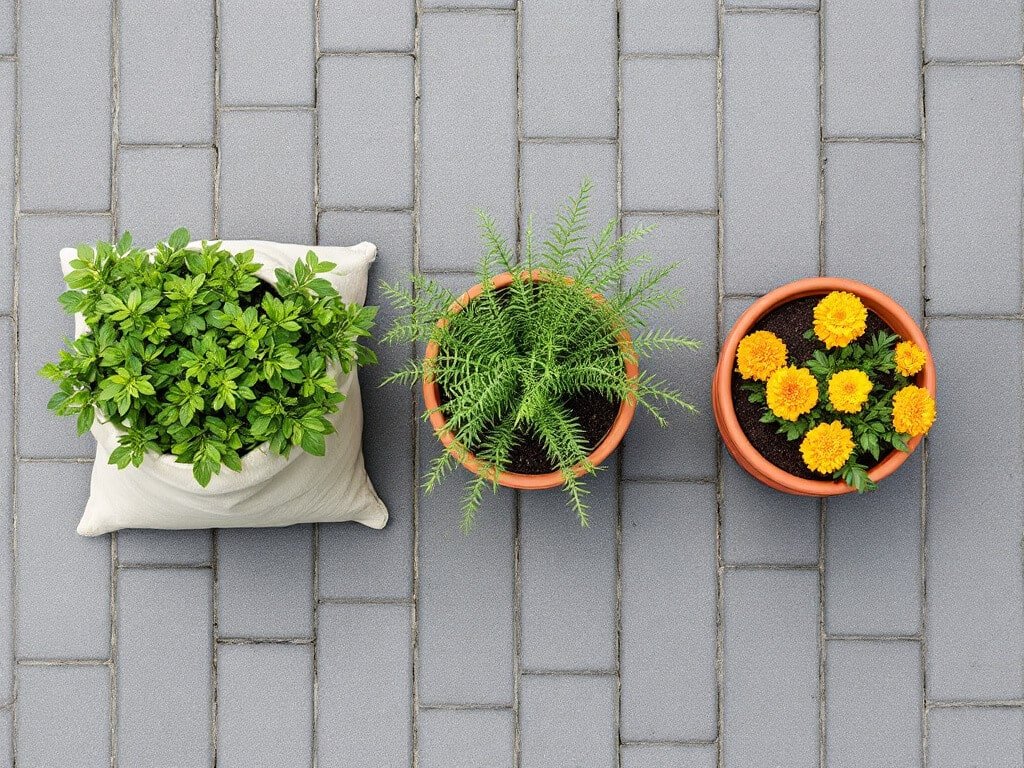
Mint, dill, basil, and marigolds are widely promoted as universal pest repellents. OSU Extension says there isn’t enough research to support many of these pairings. That means you shouldn’t plant them as edamame bodyguards, and you shouldn’t treat them as enemies either. If you like basil, grow it. Just don’t expect it to do pest control for your beans.
Fennel
Fennel often shows up on “keep away” lists, but no edamame-specific incompatibility was verified. I wouldn’t ban it from a neighboring bed on that basis. If you want to be cautious, giving it its own spot costs you nothing.
Layout and spacing
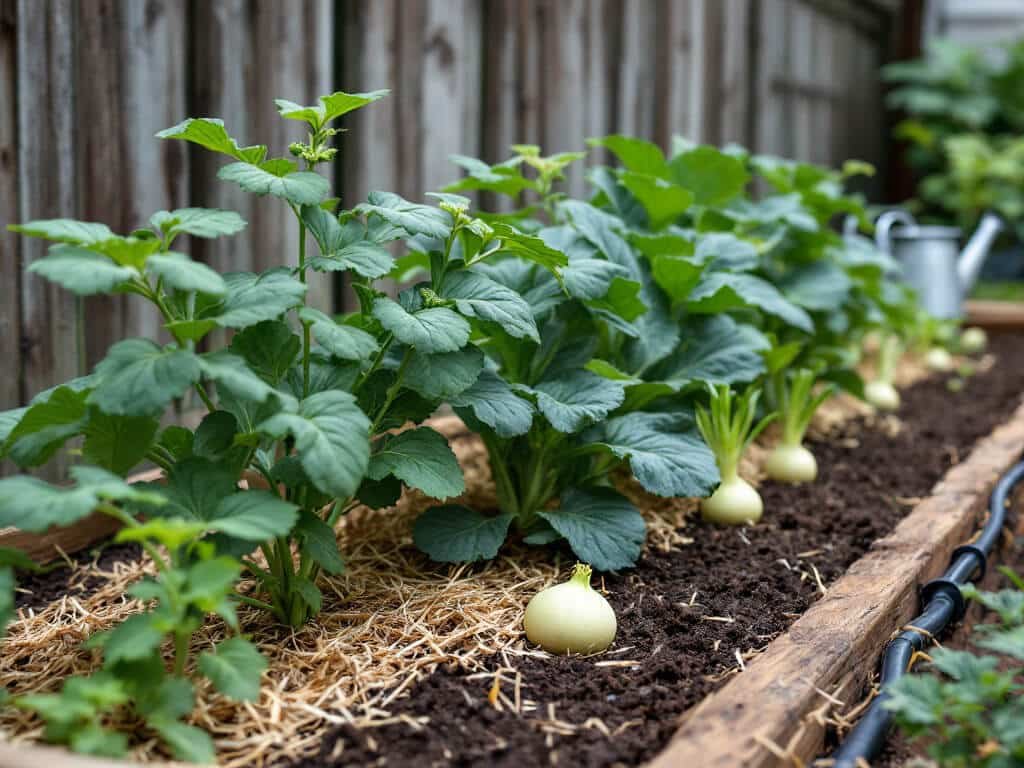
Put edamame in a sunny, well-drained bed, and place it where it won’t shade smaller brassicas once the plants mature. Short-season crops like turnips and kohlrabi can go where they’ll be harvested before edamame reaches full size. Because no edamame-specific companion spacing standard exists, final distances come from each crop’s seed packet.
Site: Full sun, well-drained soil, no spots where water stands.
Edamame placement: On the side of the bed where its mature height won’t shade smaller brassicas.
Quick crops: Turnips and kohlrabi near the edamame, to be harvested before it fills out.
Big brassicas: Broccoli, cabbage, Brussels sprouts, kale, and collards at their own packet spacing, with edamame beside them.
Watering: Keep moisture consistent, avoid waterlogged soil, and water at the base instead of overhead to reduce disease risk.
After harvest: Leave the edamame roots in the soil so they can decompose and release nitrogen.
Leave enough room between plants for airflow. Gray and white mold are among the problems beans and soybeans can get, and a crowded bed makes them easier to encounter.
FAQ
Can edamame grow with brassicas?
Yes. OSU Extension lists legumes such as edamame alongside brassicas including broccoli, cabbage, kale, and turnips. Legume roots can release nitrogen as they decompose after the plants are left in the soil.
Do marigolds repel edamame pests?
That claim isn’t established for edamame. Extension sources note that many strong-scent companion claims lack sufficient research, so don’t rely on marigolds as pest control.
How far apart should edamame and its companions be planted?
No single, verified spacing standard for edamame companions was found. Follow the edamame cultivar’s seed packet and the companion crop’s spacing recommendation, leaving enough room for mature plants and airflow.