
Caraway Companion Plants: What to Grow Nearby
Caraway companion plants are hard to pick with confidence, because the published evidence for specific pairings is thin. Extension sources say caraway gets along with most annual vegetables, and they name a couple of plants to keep away from it. Beyond that, most of what you read online is tradition, not tested advice.
This article sticks to what the extension sources support. Where a pairing is only a reasonable guess, I’ll say so. The spacing numbers are practical separations based on caraway’s spread of about 1 foot, not a proven formula.
Why pairings matter for caraway
Caraway is a biennial. In the first year it mostly makes foliage, and in the second year it flowers, sets seed, and dies. That means it holds its spot in your bed for two seasons while the annual vegetables around it come and go.
It grows 1 to 2 feet tall and about 1 foot wide, with a long taproot. That taproot is the main reason for the layout advice below. A deep root that goes straight down leaves the top few inches of soil to shallow-rooted neighbors, and it makes caraway a poor candidate for moving once it’s planted.
Caraway also belongs to the carrot family, and its pest list reads like one: carrot root fly, aphids, and parsley worms. It can also get anthracnose and white mold. So the plants you put next to it matter in two ways. Some compete for space and water, and some are hosts for the same pests.
Now the myths. You’ll see claims that caraway reliably repels a particular pest, improves the flavor of strawberries, or feeds nearby plants with usable nitrogen. None of that was verified in the extension sources. North Carolina Extension does describe caraway as suitable near most plants, but it offers no species-by-species trial results and no universal spacing. Treat “grows well with everything” as a loose guideline, not a promise.
Best companion plants for caraway
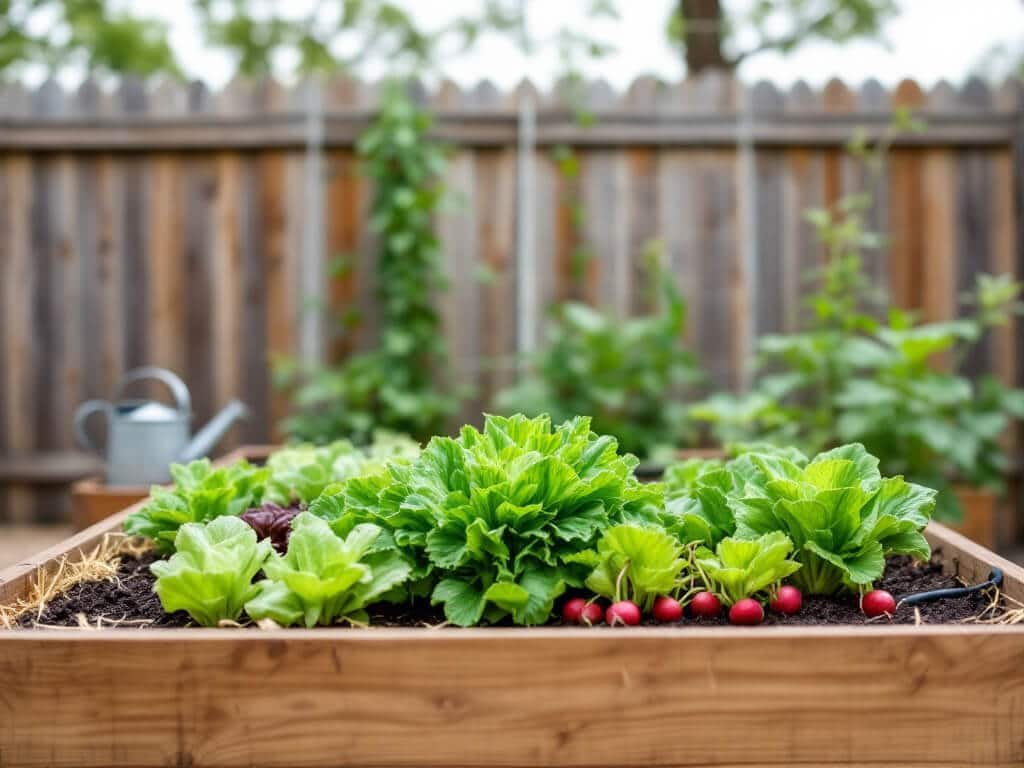
Most of these are annual vegetables, which fits the Utah State University Extension advice that biennial caraway can be intercropped with annual crops. The shallow-rooted ones also match North Carolina Extension’s note that caraway does well near shallow-rooted plants.
Beans
Beans are an annual crop that can share a bed with a biennial like caraway. Caraway’s deep taproot likely occupies a different root zone than the bean roots. Keep beans about 12 inches from caraway.
Peas
Peas are another annual that suits intercropping with caraway. Their relatively shallow roots complement caraway’s deeper one. Keep them about 12 inches away.
Lettuce
Lettuce is shallow-rooted, which puts it in the category North Carolina Extension describes as suitable near caraway. It’s also quick enough to harvest before it crowds anything. Plant it about 8 to 12 inches from caraway.
Radishes
Radishes are a short-season, shallow-rooted crop, so they use the space around a slow biennial without sharing its long-term footprint. You can pull them and replant while the caraway keeps growing. Space them about 6 to 12 inches from the caraway.
Spinach
Spinach is a shallow-rooted cool-season crop, and it matches caraway’s preference for cooler temperate conditions. Like lettuce, it can fill the gaps around the herb in a bed. Keep it about 8 to 12 inches away.
Swiss chard
Swiss chard is an annual leafy crop that can be intercropped with a biennial herb while the caraway establishes. Give it about 12 inches from the caraway.
Kale
Kale is an annual vegetable that can share a bed with caraway during the herb’s first-year establishment. Kale cultivars vary a lot in size, so check your variety. Plan for 12 to 18 inches between kale and caraway.
Strawberries
Strawberries are a traditional pairing in secondary gardening sources, but I couldn’t find an extension-backed reason for it or a recommended spacing. I’d treat it as optional and not expect any flavor benefit. If you try it, keep caraway at least 12 inches from the strawberry crowns.
What not to plant with caraway
Keep caraway away from fennel and wormwood, the two plants an extension source specifically says it does poorly beside.
Fennel
North Carolina Extension reports that caraway does not do well near fennel. Both are large, aromatic carrot-family plants and may compete for space. The source doesn’t confirm a mechanism, so the practical advice is simply to plant them apart. This applies in containers too.
Wormwood
North Carolina Extension also reports that caraway does poorly near wormwood. The source doesn’t say whether the cause is allelopathy, competition, or something else. You don’t need the reason to act on it: avoid close planting.
Carrots
Carrot root fly can affect caraway, and carrots host the same pest. Planting them together puts more host plants in one spot. Separate them, or use insect exclusion over whichever bed holds them.
Parsnips
Parsnips are carrot-family plants like caraway and are reported to share susceptibility to carrot root fly. I wouldn’t squeeze both into one small bed. Spread them out so the pest doesn’t find everything in one place.
Parsley
Parsley worms are on caraway’s pest list, and parsley is a related host plant. The shared-pest concern is plausible, but I found no caraway-specific extension recommendation against parsley. If parsley worms show up in your garden year after year, keep the two apart. If you’ve never had them, this one is a judgment call.
Layout and spacing
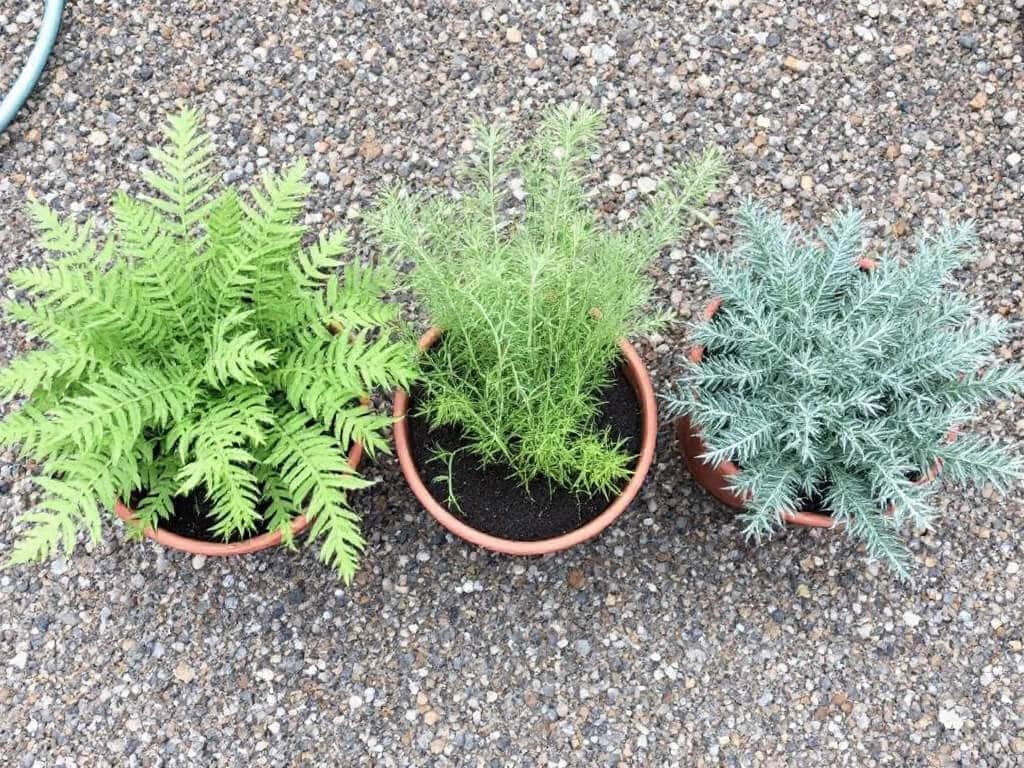
Direct-sow caraway where it will stay, since the long taproot makes transplanting difficult. Put it toward the rear or edge of a bed, give it about 12 inches for its mature spread, and fill the surrounding space with short-season or shallow-rooted crops. That way you can harvest and replant the annuals without disturbing the herb.
Rear or edge of the bed: one caraway plant per 12 inches of spread.
Closest neighbors: radishes at 6 to 12 inches, lettuce and spinach at 8 to 12 inches.
Mid-distance neighbors: beans, peas, and Swiss chard at about 12 inches.
Larger crops: kale at 12 to 18 inches, depending on the cultivar.
Keep apart: fennel, wormwood, carrots, and parsnips. Separate parsley too if parsley worms are a recurring problem.
Containers: grow caraway alone, or with a small annual crop only in a pot at least 12 inches deep with good drainage. No fennel or wormwood.
Give the bed full sun, about 6 or more hours a day, though caraway tolerates light shade. Keep the soil consistently moist while seeds germinate and plants get going. Don’t let it stay dry during flowering and seed production in year two. Harvest the seed when the seed heads turn brown and begin to dry.
FAQ
Can caraway grow with vegetables?
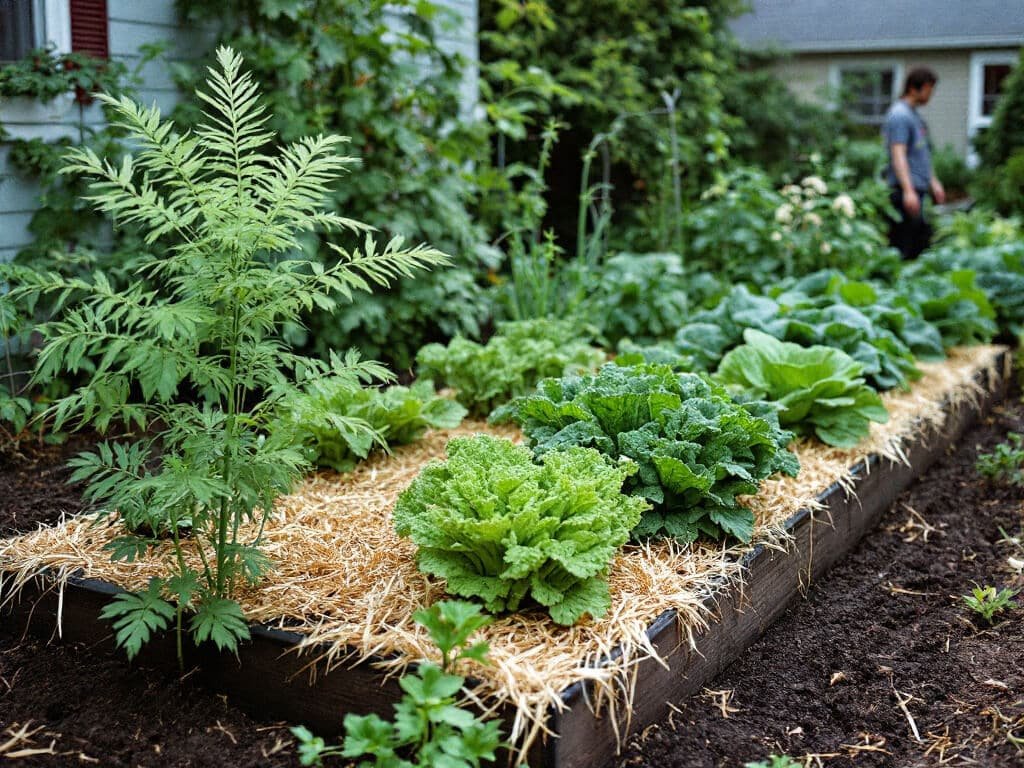
Yes. Utah State University Extension says biennial caraway can be intercropped with most annual vegetables, including beans and peas. North Carolina Extension also describes it as suitable near most plants, especially shallow-rooted ones.
Should caraway be planted near fennel?
No. North Carolina Extension specifically says caraway does not do well growing near fennel. The source doesn’t identify a confirmed mechanism, so the practical recommendation is to separate the two plants.
Does caraway repel pests?
A reliable, caraway-specific pest-repellent effect was not verified. Caraway can host carrot root fly, aphids, and parsley worms. Its flowers may provide habitat or food for insects, but that is not the same as proven pest control.