
How to Grow Black-Eyed Susan Flowers With Dark Centers
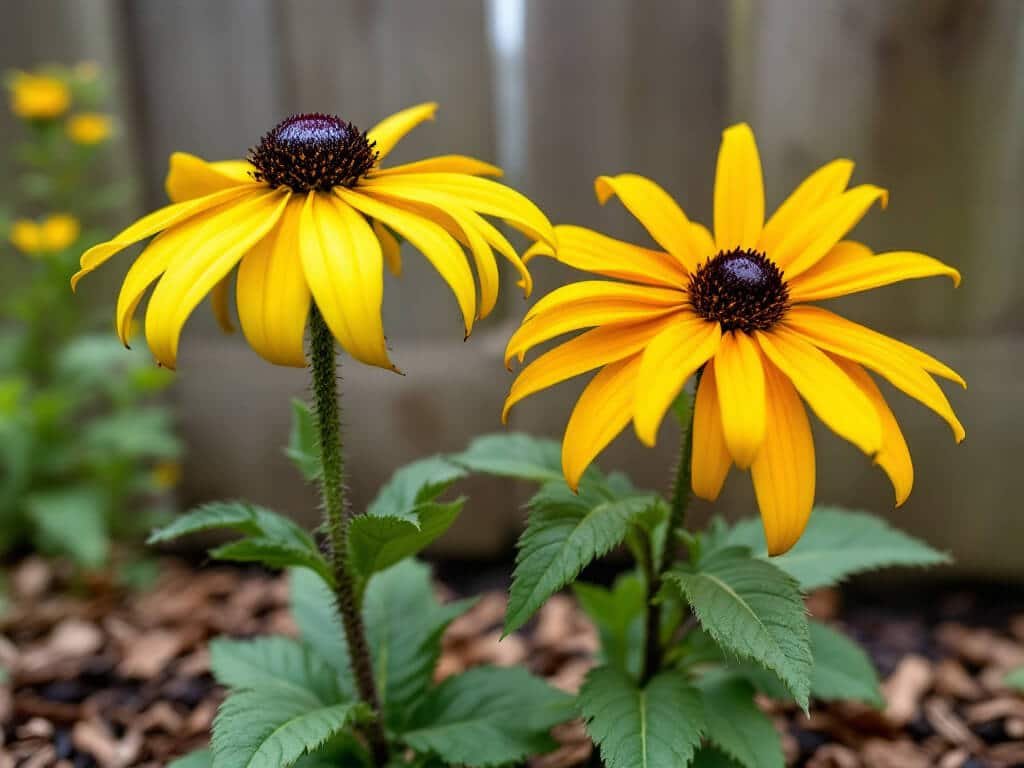
Black centered flowers in a garden search usually mean black-eyed Susan, and the first thing to sort out is which one you’re buying. The name covers more than one species, and the two you’ll most often run into are Rudbeckia hirta and Rudbeckia fulgida. They want nearly the same conditions, but they differ in how long they live.
The common mix-up is assuming every black-eyed Susan is a reliable perennial. It isn’t. Rudbeckia hirta is a biennial or short-lived perennial that is often grown as an annual, while Rudbeckia fulgida is a true herbaceous perennial. Knowing which you have tells you whether to expect the same plant next year or to let it reseed.
What You Need
The list is short. Both species do best in sun and well-drained soil, so most of your effort goes into the site rather than the shopping.
– A full-sun spot in the ground, or a container with drainage holes
– Well-drained commercial potting mix, if you’re planting in a pot
– Compost, only if your existing soil is poor
– Seeds or nursery plants
– A watering can or hose
– A hand trowel
– Clean pruners
Choose the Right Black-Eyed Susan
Confirm whether you’re getting Rudbeckia hirta or Rudbeckia fulgida before you buy, because the common name is shared. R. hirta is hardy in zones 3–8, and R. fulgida in zones 3–9. If you garden in zones 5–9, either one works, with R. fulgida the only choice at the warm end.
Read the tag or seed packet for the botanical name, not just “black-eyed Susan.” If you want a plant that comes back and forms a clump, choose R. fulgida. If you’re happy with a plant that may last a season or two and then reseed, R. hirta fits.
Select a Sunny, Well-Drained Site
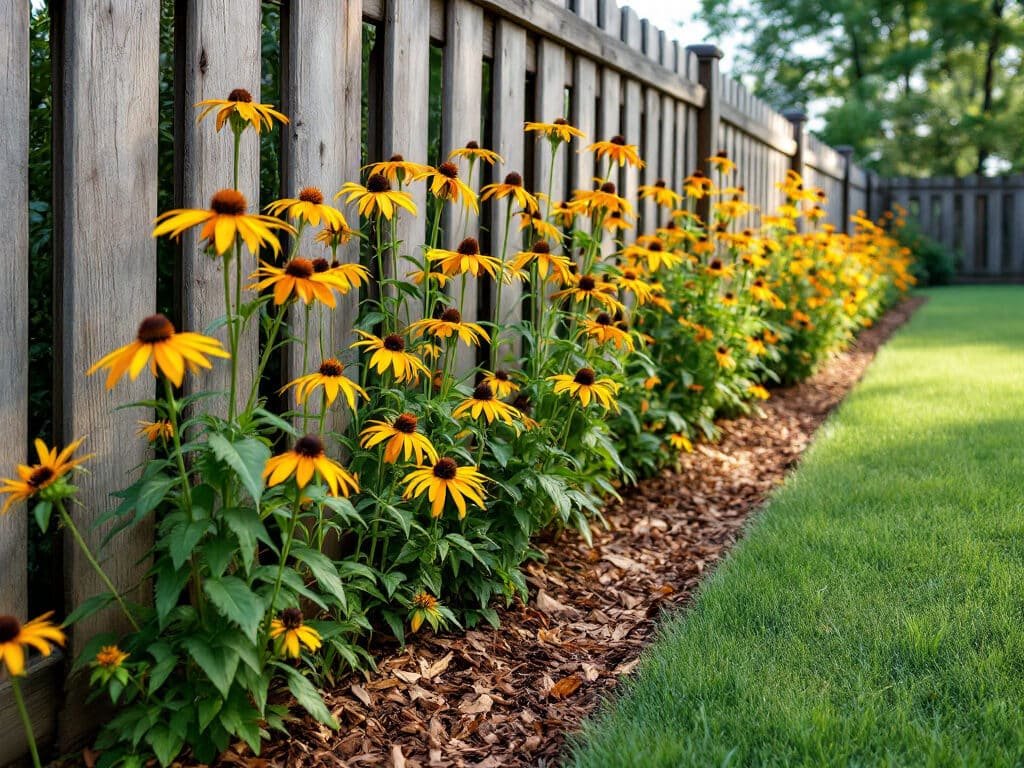
Pick a spot with full sun, which gives the best growth and flowering, though both species tolerate some partial shade. Plants in shade tend to turn leggy and flower less, so treat shade as a compromise and not a plan. R. fulgida reaches about 2–3 feet tall, so give it room and don’t tuck it behind something shorter.
Moisture matters as much as light. Look for soil that stays moist but drains, and skip low spots where water collects after rain. Clay, loam, and sandy soil all work as long as water moves through them.
Prepare the Soil or Container
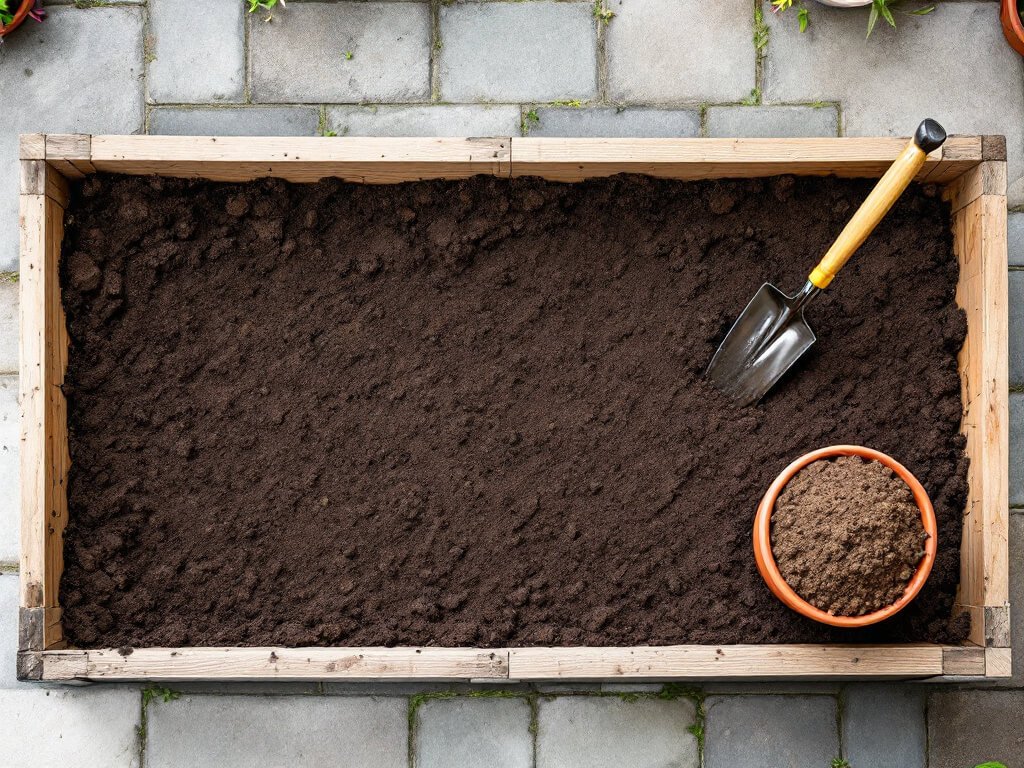
Your goal is drainage, not a permanently wet bed. Persistently wet soil is the fastest way to lose these plants, so fix a heavy or soggy spot before planting, or move to a better one. Add compost only if your existing soil is poor, since these plants don’t need a rich bed.
For containers, use a commercial potting mix and a pot with drainage holes. A pot with no holes will hold water around the roots no matter how carefully you water. Fill it, firm the mix lightly, and leave a little room below the rim so water doesn’t spill over.
Plant Seeds or Nursery Plants
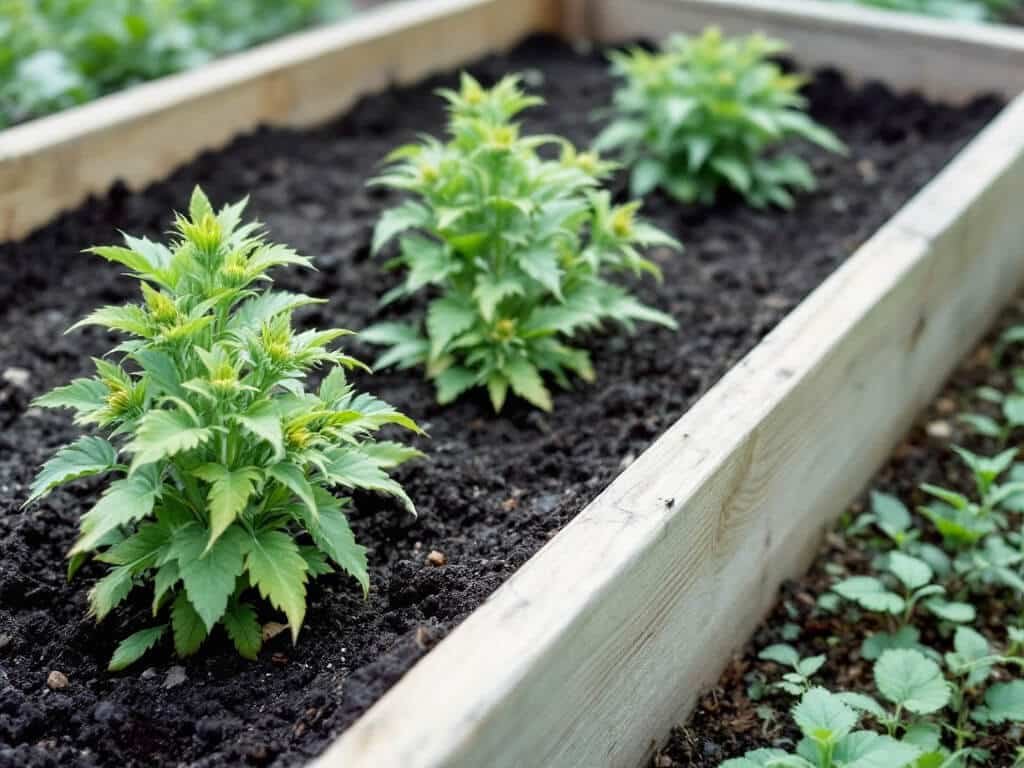
Follow the seed packet or nursery label for planting depth and spacing, because both vary by species and cultivar. I won’t give you a single number here, since a made-up one would be wrong for some plants. Set nursery plants at the same depth they sat in their pots, and water them in.
For seed timing, USDA guidance for Rudbeckia hirta restoration sowings runs from mid-September through April. That’s guidance for large-scale restoration plantings, not a backyard rule, so use it as a rough guide to when seed can go down and let your packet have the final word.
Water During Establishment
Keep new plants from drying out while they settle in, but don’t leave the soil saturated. Check the soil with your finger before you water. If it’s still moist below the surface, wait.
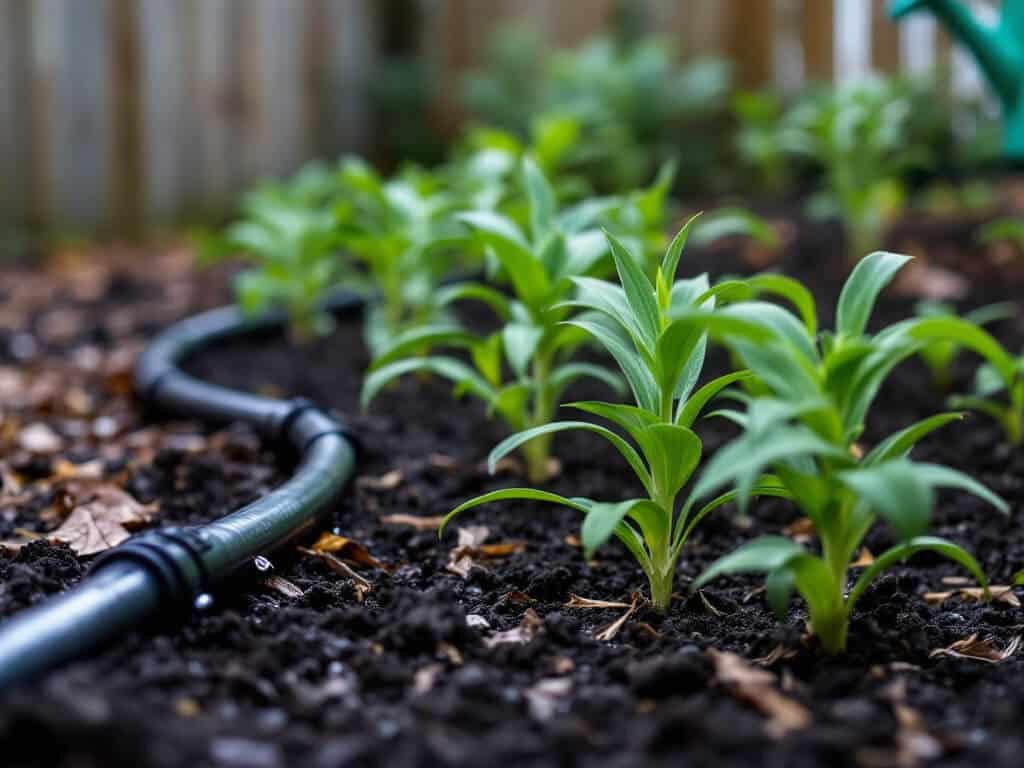
Once established, the plants tolerate some dryness, so you can ease off. Water the soil at the base, not the foliage, which also helps with the disease issues covered below. In containers, expect to water more often, though the same rule applies: moist, never soggy.
Improve Air Circulation
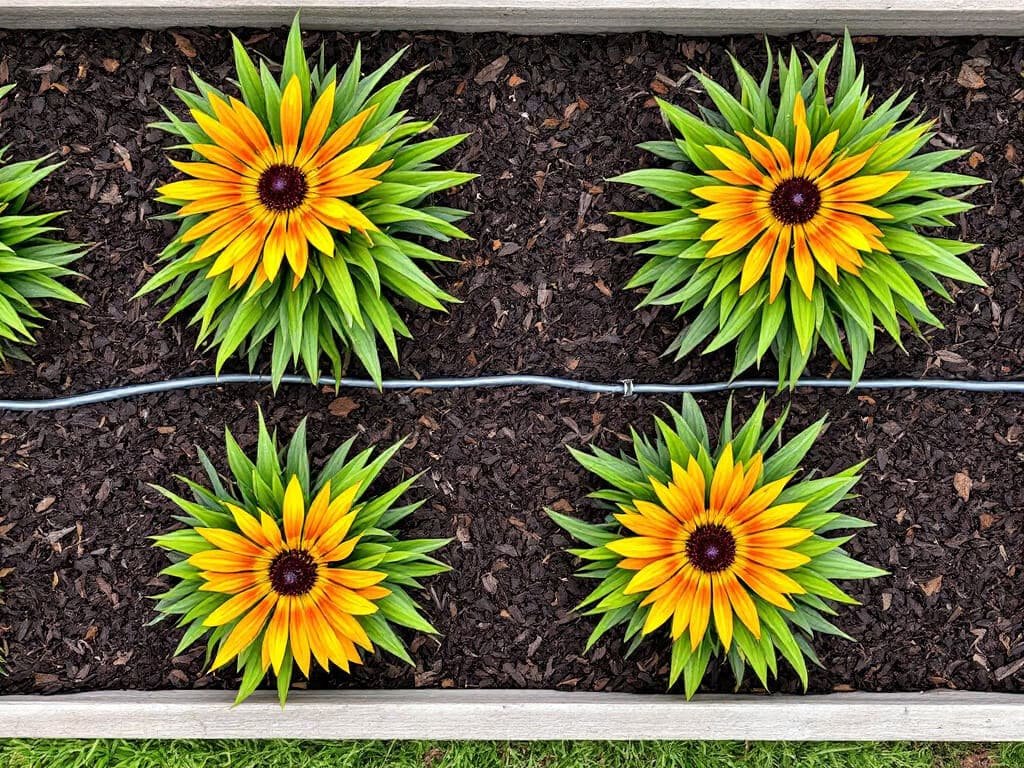
Crowding can increase fungal problems, so give plants room and don’t pack them tightly. This is mostly a decision you make at planting time. If you space them to fit the label and they fill in, you’re fine. If you squeeze in extra plants for a fuller look, you’re asking for trouble.
Keep foliage from staying wet for long stretches. Water in the morning at soil level when you can, and thin out growth if a clump gets dense.
Deadhead and Manage Self-Sowing
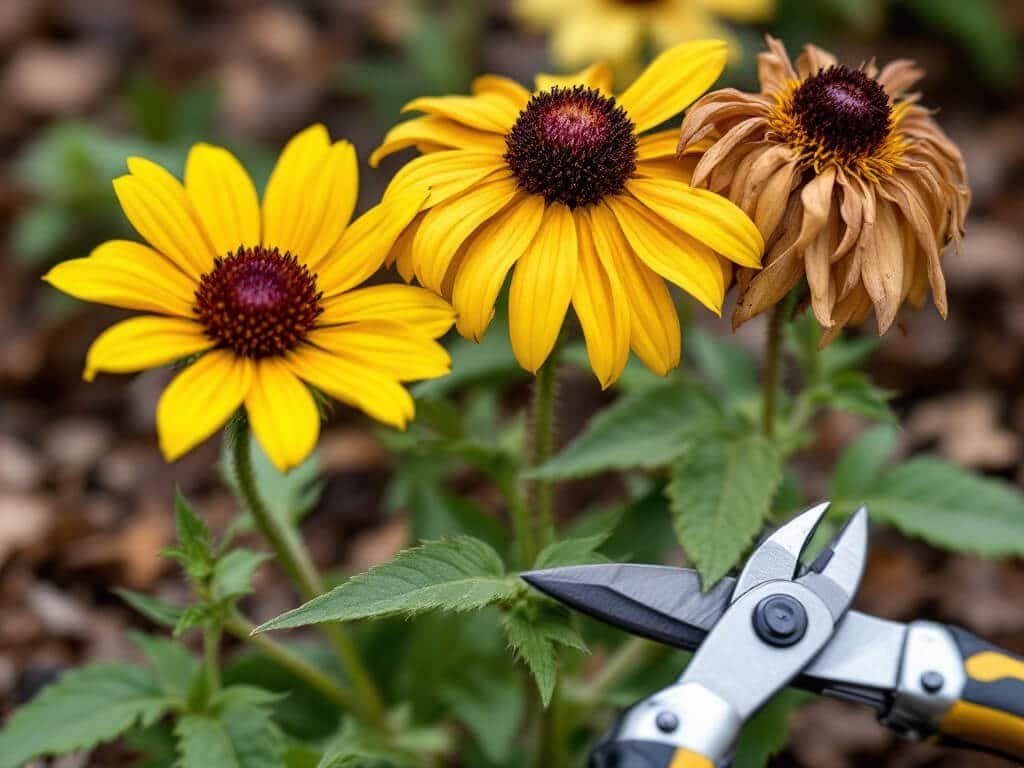
Remove spent flowers to encourage continued bloom through the season. Cut each faded flower with clean pruners, taking it back to just above a set of leaves or to the base of the stem, depending on how the plant branches.
Then decide what you want. If you’d like the plant to self-sow, or you want seed heads for wildlife, leave some on the plant at the end of the season. If you don’t want it spreading, remove spent heads before the seed matures. For a tidy bed, deadhead steadily. For a looser, self-seeding patch, stop deadheading as the season winds down.
Divide Perennial Plants
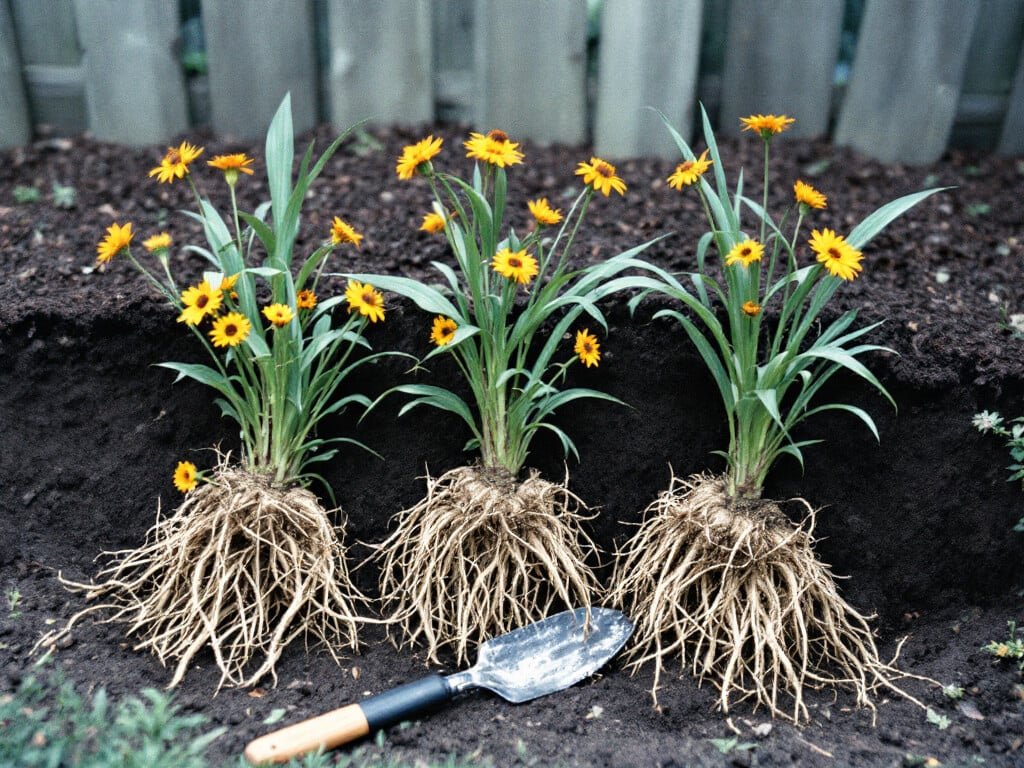
Divide established Rudbeckia fulgida clumps about every 3–4 years if vigor declines or the plant spreads past its space. This applies to the perennial species, not to R. hirta, which is short-lived and doesn’t form the same kind of long-term clump.
Dig up the clump, split it with a trowel or clean blade, and replant the healthy sections at the same depth. Division also gives you a way to remove extra growth if a clump has crowded its neighbors, which ties back to air circulation.
Common Problems
Most trouble comes down to light, water, or crowding. Here’s what to check.
– Leggy or sparse growth: Move the plant to a sunnier location.
– Wet, declining roots: Improve drainage and water less often.
– Leaf or stem fungal problems: Thin crowded growth and water the soil, not the foliage.
– Few flowers: Check that the plant gets adequate sun and isn’t in too much shade.
– Unwanted spread: Remove spent flower heads before seed matures, or divide and remove excess perennial clumps.
When to Expect Results
Flowering generally starts in early to midsummer and can continue into fall once plants are established, especially if you deadhead. That’s the dependable part.
Germination and establishment speed is harder to pin down. It varies with species, seed source, temperature, and growing conditions, and the extension sources I’m working from don’t give one reliable home-garden germination range. Start with nursery plants if you want flowers the first season with less guesswork.
FAQ
Are black-eyed Susans annuals or perennials?
Rudbeckia hirta is a biennial or short-lived perennial that’s often grown as an annual. Rudbeckia fulgida is a herbaceous perennial.
How much sun do black-eyed Susans need?
Full sun produces the best growth and flowering. The plants tolerate partial shade, but expect less from them there.
Why are my black-eyed Susan leaves developing problems?
Crowded plants are more vulnerable to fungal issues. Increase air circulation, avoid keeping the leaves wet for long, and grow the plant in well-drained soil.