
When to Transplant Seedlings: A Simple How-To
The answer to when to transplant seedlings depends on which move you mean. Moving them into a bigger pot is a matter of how the seedling looks. Moving them outdoors is a matter of weather, frost dates, and how well you’ve toughened the plants up first.
This guide walks through both in order. The outdoor timing varies by crop, so I won’t give you a single calendar date. Your crop’s growing guide and your local last-frost date set that part.
What You Need
Most of this is already in your shed or on your windowsill:
– Healthy seedlings with several sets of leaves and developed roots
– A clean container one size larger (for potting up indoors) or a prepared garden bed
– Quality potting mix for containers
– A trowel
– Water
– Plant labels
– Optional: row cover, cardboard, or another temporary shield against wind and sun
Skip any seedling that is yellowing, browning, or showing other disease symptoms. Check the undersides of leaves for insects such as aphids and whiteflies before you bring a plant home or move it near others.
Check Whether Seedlings Are Ready
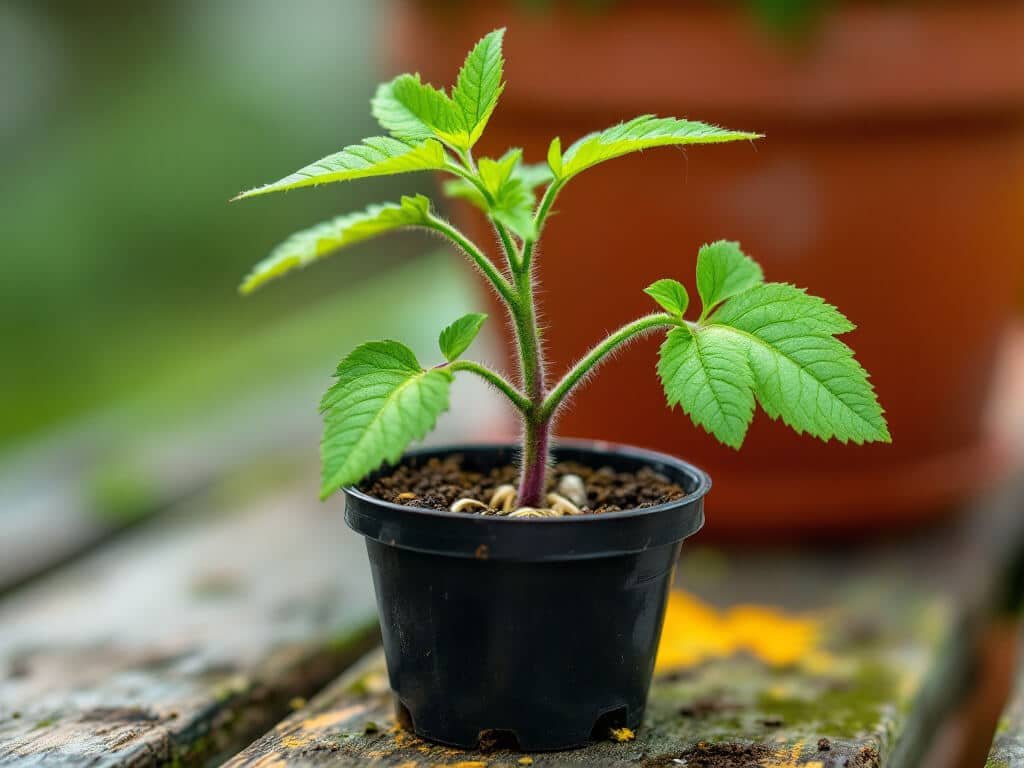
Move seedlings into a larger container once they have true leaves. These are the leaves that come after the first pair, which are the cotyledons. If the plant has only cotyledons, it isn’t ready. If it has true leaves and is running out of room, it is.
For outdoor planting, look for stocky, healthy plants with a few sets of leaves and well-developed roots. A tall, floppy seedling is not a better seedling. Don’t leave plants sitting root-bound in their containers, because stunted growth is the usual result.
Harden Off Seedlings
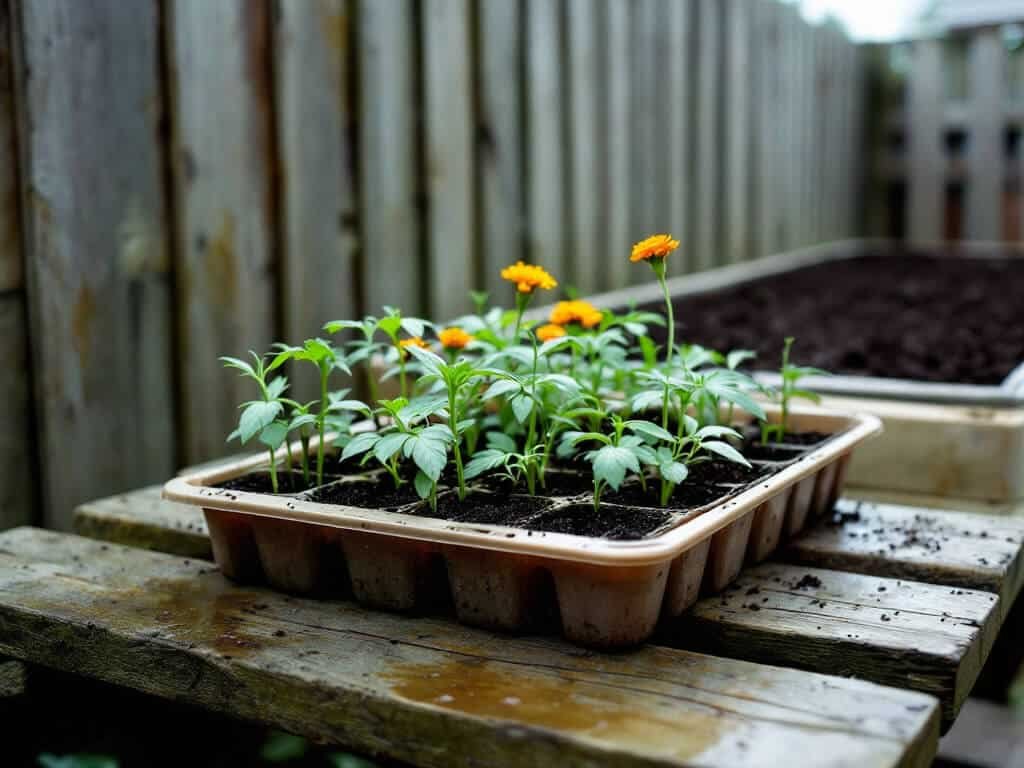
Hardening off takes 3 to 14 days, and the sources don’t agree on one number. Some say 3 to 5 days, some 7 to 10, and some 10 to 14. Pick based on the plant and the weather. Tender seedlings and harsh conditions call for the longer end.
Start by setting the seedlings outdoors in a protected, shaded spot for a few hours. Each day, give them more time outside and more sun. By the end, they should be handling full outdoor conditions without scorched leaves.
I’d lean toward the longer schedule if you’re unsure. A few extra days costs you nothing, and a seedling that goes straight from a windowsill to full sun can scorch badly.
Wait for Suitable Weather
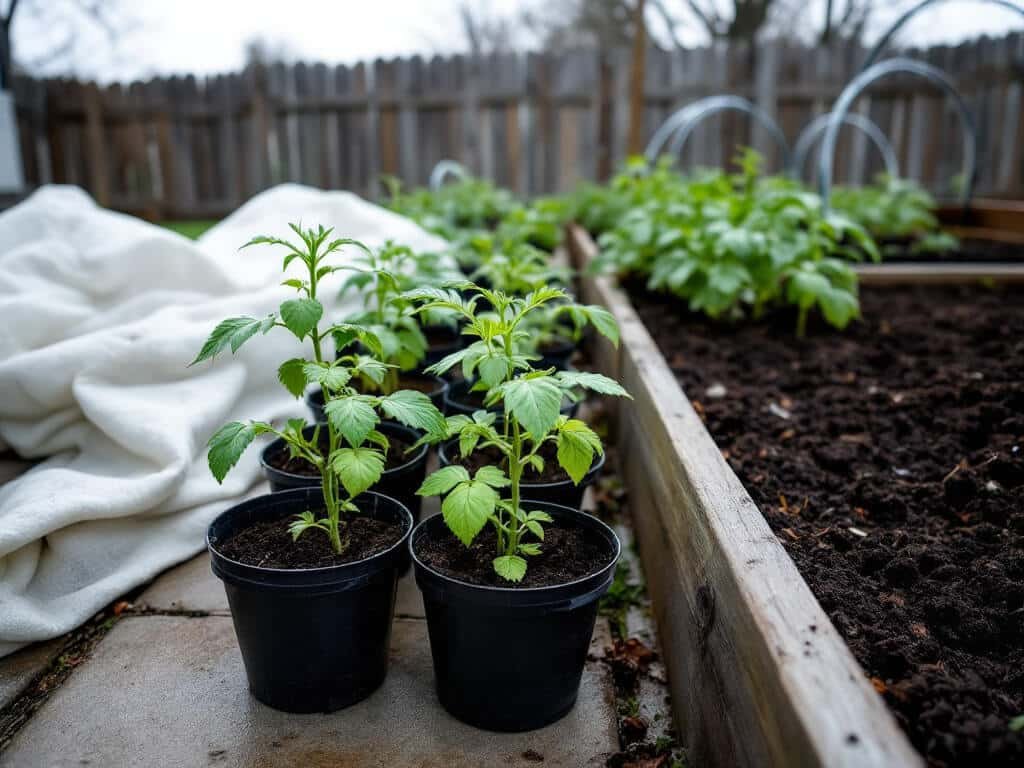
Hardened-off plants still need the right weather. Do not set tender seedlings outdoors when frost is expected. If frost threatens after you’ve planted, protect the plants or bring them indoors.
Cold tolerance varies by crop, and there’s no universal temperature cutoff. Check the growing guide for the specific vegetable, herb, or flower you’re planting, and compare it against your local frost dates. This is the step where zone matters most. A zone 5 gardener and a zone 9 gardener can plant the same tomato weeks apart.
If the weather isn’t right, keep hardening off and wait. Seedlings can stay in their pots a little longer, as long as they aren’t getting cramped.
Water Before Transplanting
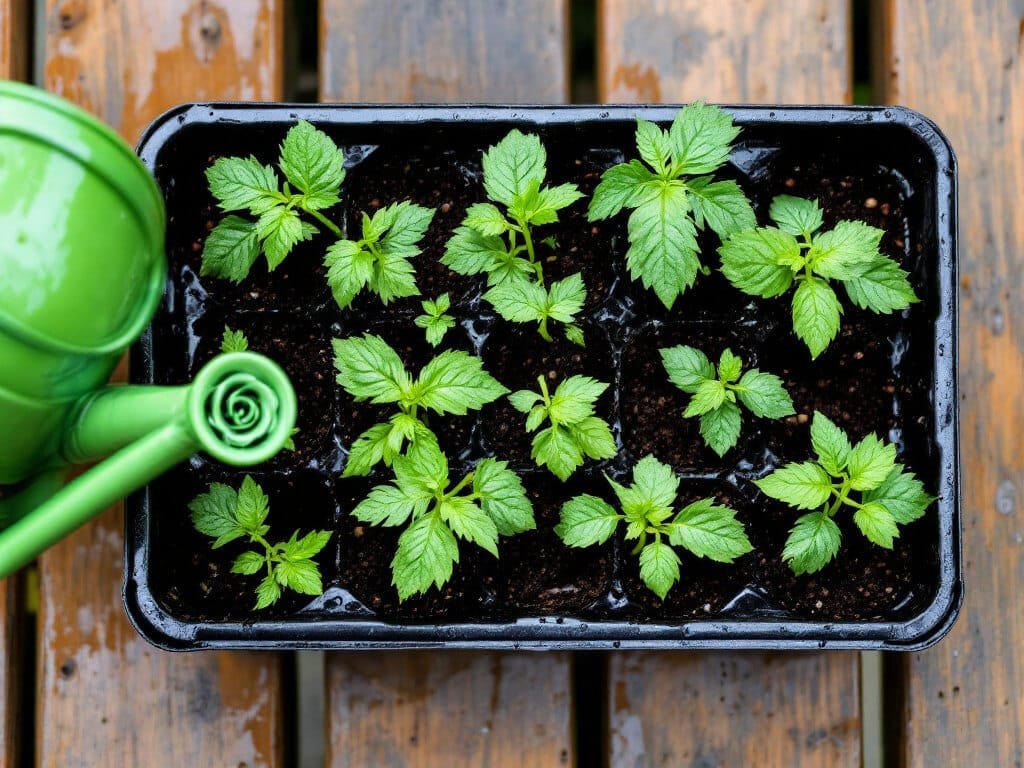
Water your seedlings several hours before you move them. A well-watered root ball holds together when you lift it, and the plant is less likely to wilt afterward.
Don’t water right before you dig and pop the plant out. Soaking wet soil falls apart, and dry soil crumbles away from the roots. Giving the water some time to settle gets you a root ball that’s moist but firm.
Choose the Right Planting Time
Transplant in late afternoon, early evening, or on a cloudy day. This cuts down on immediate heat and sun stress while the plant is still getting used to its new spot.
That’s the answer to whether seedlings should go in during full sun: they shouldn’t. Direct sun is something you introduce gradually during hardening off. On transplant day, give the plant an easy first few hours.
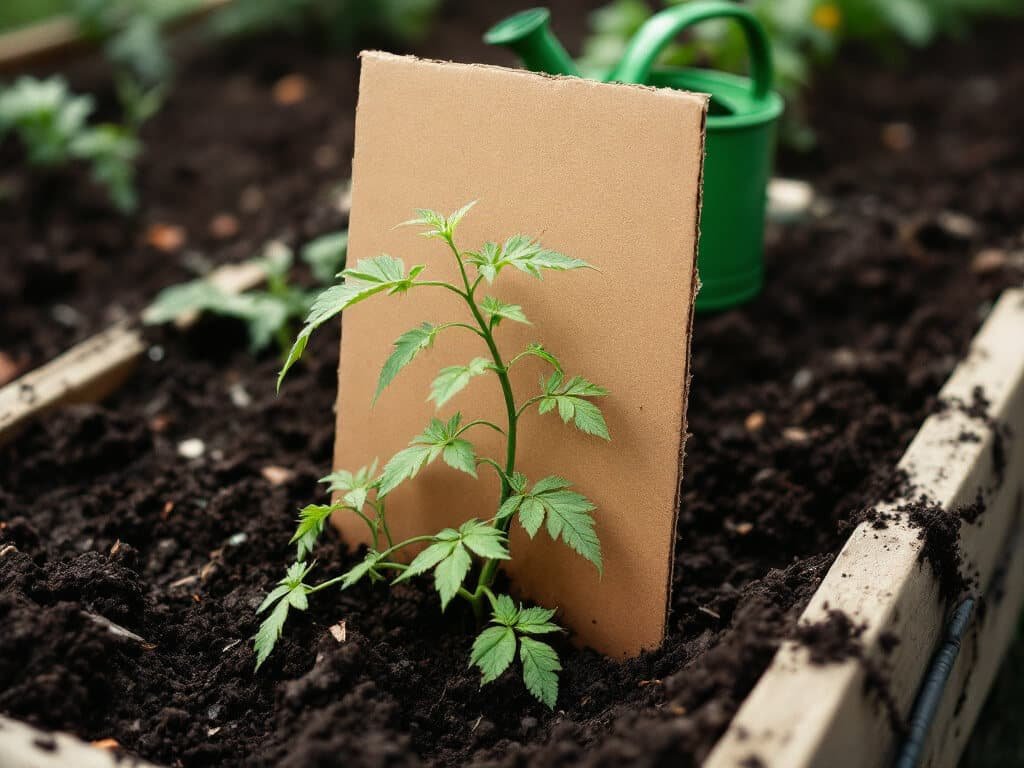
If your only free time is midday, plan around it. Have a shield ready, such as a piece of cardboard propped on the sunny side, and move the plants in as late as you can manage.
Prepare the Hole or Container
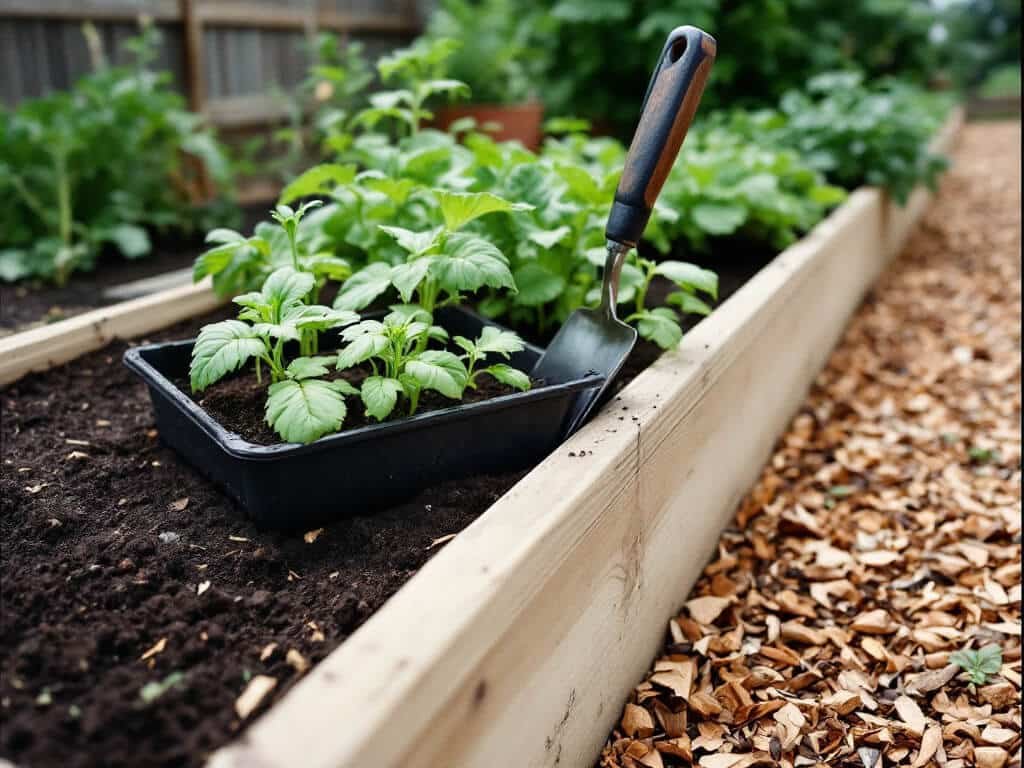
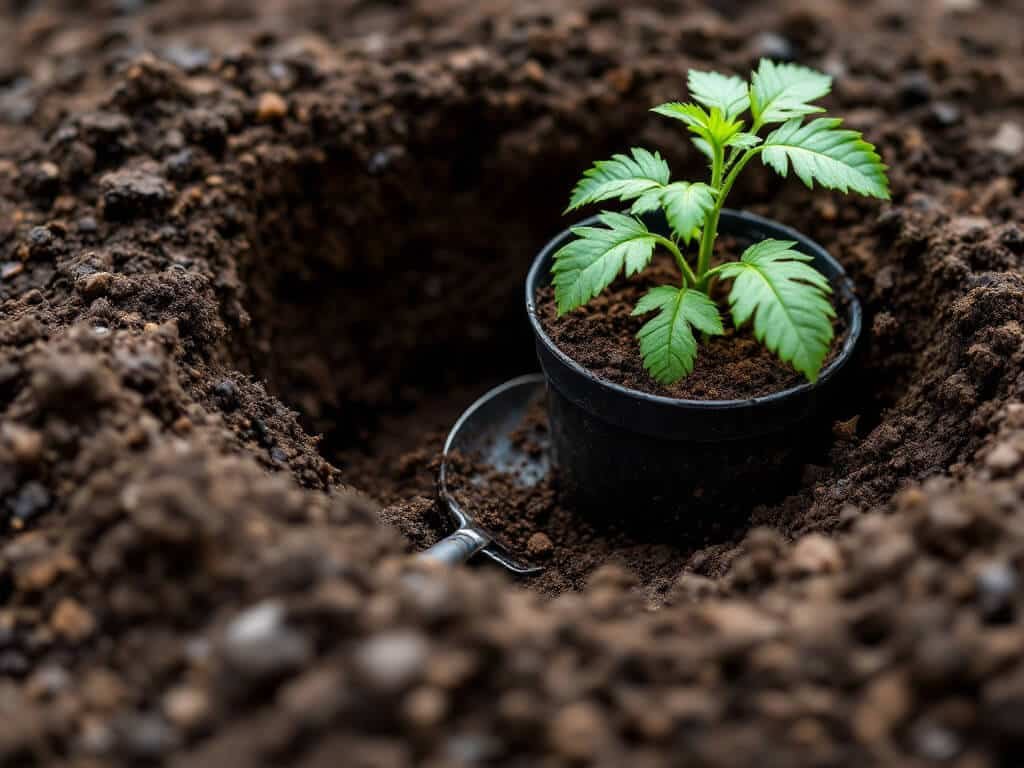
Use pre-moistened soil, either loose garden soil or a suitable potting mix. Dig the hole wider and slightly deeper than the root ball so the roots have loose soil to push into.
For final spacing, follow the plant label or your extension office’s guidance. There’s no safe universal spacing for seedlings, since mature size depends entirely on the species and variety. A tomato and a lettuce need very different amounts of room.
If you’re potting up indoors, the same logic applies. Use a clean container one size larger, fill it with moistened potting mix, and make a hole that fits the root ball without cramming it.
Set the Seedling at the Correct Depth
Handle the seedling by the root ball, not the stem. A bruised stem is much harder to recover from than a few disturbed roots, so avoid squeezing it or pulling on it.
For most seedlings, set the plant so the lower leaves are about level with the soil surface. Tomatoes are the exception. You can plant them deeper, leaving only two or three sets of leaves above the soil.
Firm the soil gently around the plant after you set it. Label it while you’re there, because seedlings of the same crop can look alike a week later.
Water and Protect New Transplants
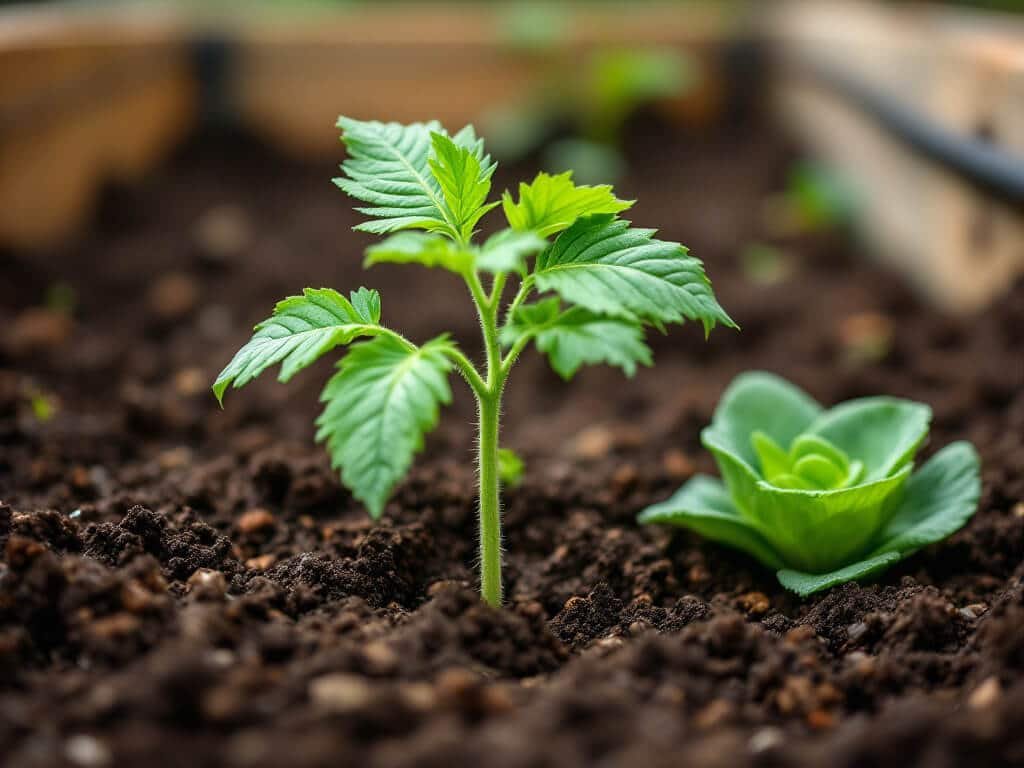
Fill the hole with tepid water, backfill with loose soil, and then water the whole planting area. Tepid is better than cold for a plant that’s already dealing with a move.
Protect the seedling from strong sun and wind for the first few days. Row cover, cardboard, or any temporary shield will do the job. Keep the plant adequately watered through the first week, and add extra water if rainfall doesn’t cover it.
Common Problems
Wilting after planting
Transplant in cooler conditions, water before and after planting, and give the plant temporary shade or wind protection.
Sunscald or scorched leaves
This usually means the seedling went from indoor light to full sun too quickly. Harden off gradually next time. The existing damaged leaves won’t recover, but new growth will be fine.
Cold damage
Delay planting when frost threatens. If tender seedlings are already out, protect them or bring them back indoors.
Stunted growth in containers
Pot up when true leaves appear and the roots need more room. Plants left too long in a small container stall.
Root or stem damage
Lift seedlings carefully by the root ball. Avoid bruising stems or disturbing roots more than you have to.
Poor establishment
Use pre-moistened soil, water thoroughly at planting, and keep moisture steady through the first week. Most establishment failures come down to the plant drying out early.
When to Expect Results
Potting up can happen soon after true leaves appear. Outdoor planting follows your crop’s weather needs and your frost dates instead of a set number of weeks.
Plan for hardening off to take about 3 to 14 days, then close attention to watering for the first week after planting. After that, bloom and harvest timing depends on the crop, the variety, your planting date, and your growing conditions. There’s no universal window, so use the seed packet or growing guide for your specific plant.
FAQ
When should seedlings be transplanted into larger containers?
Move them when they have developed true leaves, the leaves that emerge after the cotyledons, and need more room to grow.
How long should seedlings be hardened off before going outside?
Recommendations range from about 3 to 5 days up to 10 to 14 days. Increase outdoor exposure gradually, and use the longer period for tender plants or difficult weather.
Should seedlings be transplanted in full sun?
No. Transplant in late afternoon, early evening, or cloudy conditions, and introduce seedlings to direct sun gradually during hardening off.