
How to Grow Cumin Seedlings Successfully
Cumin seedlings are easy to lose for two reasons: the plant has a taproot that hates being moved, and it needs a long stretch of warm weather to finish a seed crop. Get those two things right and the rest is simple. This guide walks through sowing, thinning, transplanting, and harvesting, in the order you’ll actually do it.
Cumin is a warm-season annual grown for its aromatic seeds. It needs about 120 frost-free days and is vulnerable to frost. There is no reliable USDA zone rating for it, so count frost-free days in your own yard instead of going by zone.
What You Need
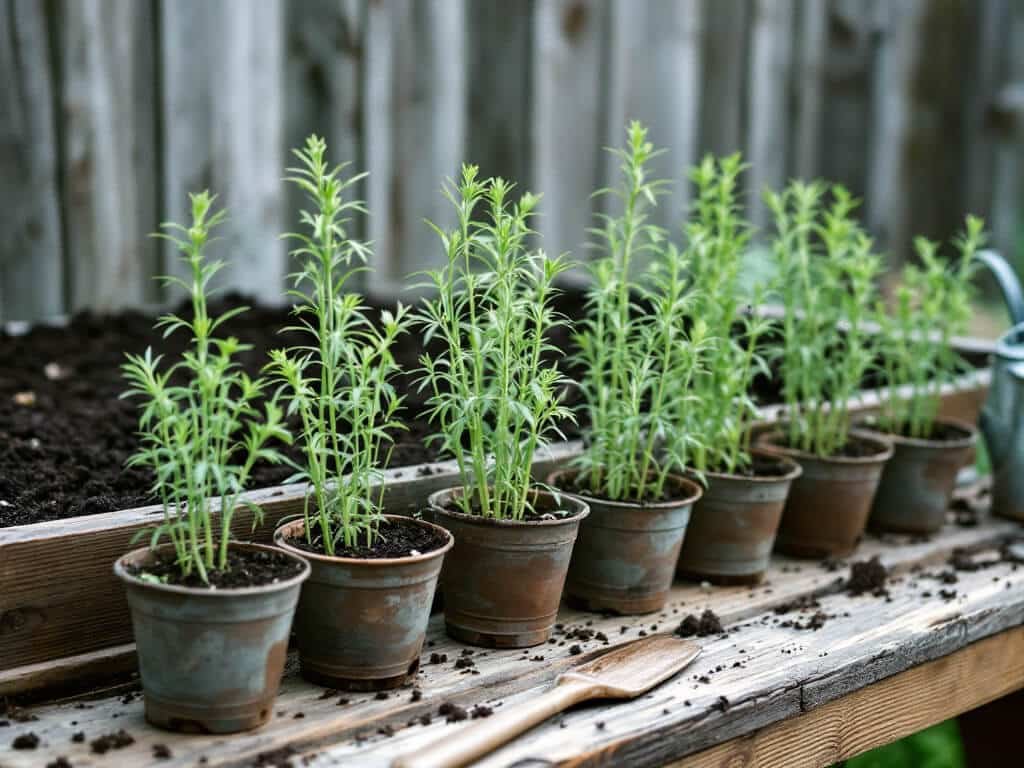
Most of this is basic seed-starting gear. The one item worth buying specifically is the pot type.
– Cumin seeds
– Biodegradable seed pots, if you’re starting indoors (cumin develops a taproot and does not transplant well)
– Seed-starting mix or another fertile, well-drained growing medium
– A sunny, frost-free spot that gets at least 6 hours of direct light daily
– Labels
– A watering can with a gentle rose
– Paper bags for drying the harvested seed clusters
– A container or garden bed with room to space plants 4 to 8 inches apart
Start Seeds at the Right Time
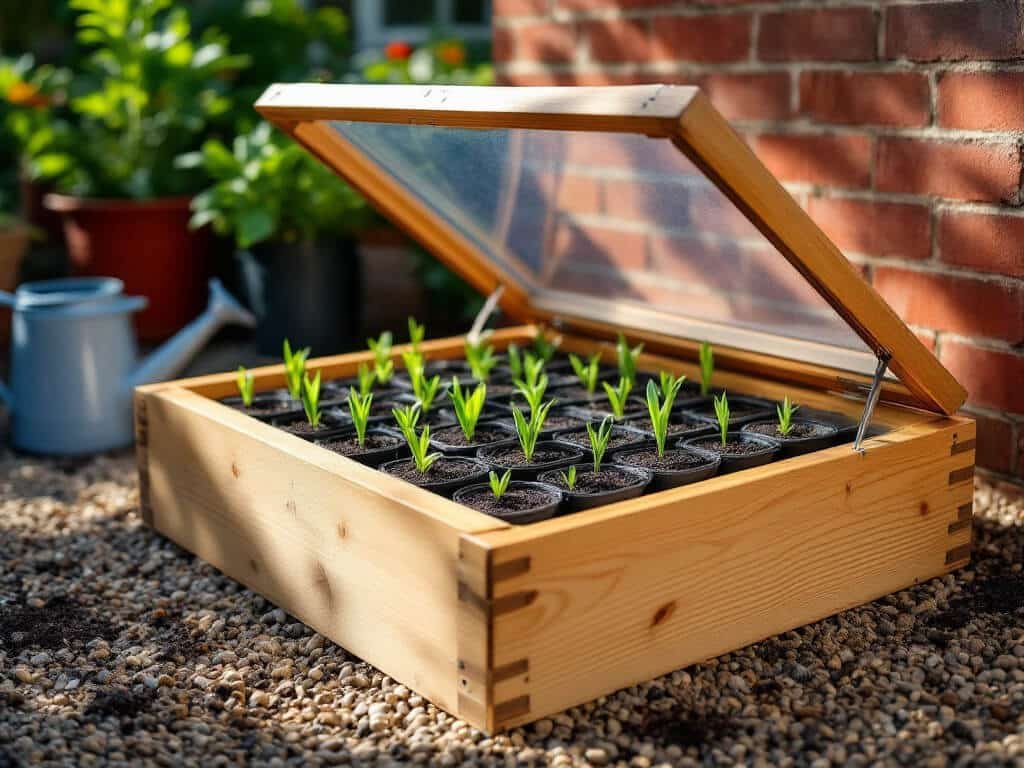
Sow indoors 6 to 8 weeks before your average last frost, or sow outdoors 1 to 2 weeks after the average last frost, once frost danger has passed. Pick one method based on your season length, not on preference.
If you’re unsure you can give the plant about 120 frost-free days plus 3 to 4 warm summer months, start indoors. That head start is what gets you a seed crop. If your season is generous, direct sowing skips the transplant problem entirely, which is a real advantage with this plant.
Warm the Seed
Aim for a germination temperature of about 68 to 86°F. That is the stated optimum, so keep trays somewhere reliably warm indoors, and wait on outdoor sowing until the ground has warmed.
You may see a much colder figure quoted. NC State Extension reports emergence at roughly 36 to 41°F, but the warmer range is the one given as best. Don’t read the cold number as permission to sow early. Seeds sown into cool soil are one of the common reasons for poor germination, and a late frost will kill the seedlings anyway.
Sow Shallowly
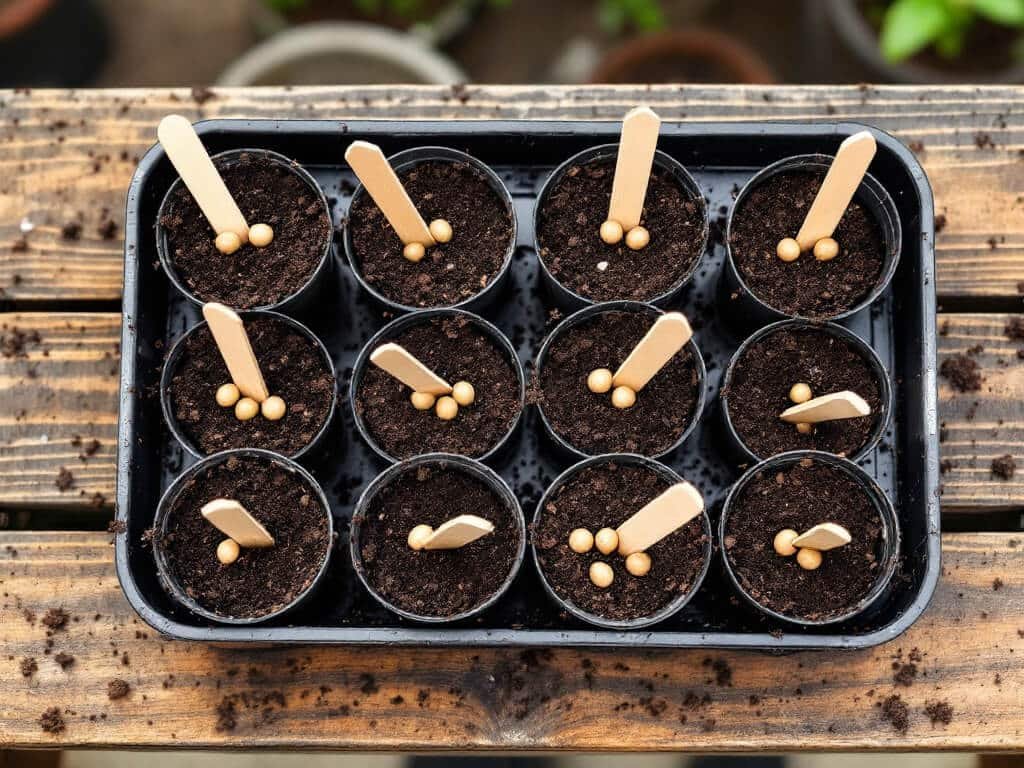
Plant groups of four seeds about 1/4 inch deep, with groups spaced 4 to 8 inches apart. Cover lightly and label each group so you don’t confuse them with other herbs.
In biodegradable pots, one group per pot works, since you’ll thin each group to a single plant later. Planting too deep is the other classic cause of poor germination, so measure rather than guess. Cumin seed is small, and a light covering is enough.
Keep the Medium Evenly Attended
Seeds generally germinate in 7 to 14 days. Water during germination without leaving the mix saturated. Use the gentle rose on your watering can so you don’t wash the shallow seeds out of place.
Check the mix daily. Moist but not soggy is the target. Once plants are established, the rule is to water regularly, let the soil get nearly dry, then soak thoroughly. Persistently wet soil is the thing to avoid, because excess moisture is a recognized risk for fungal problems.
Thin Carefully
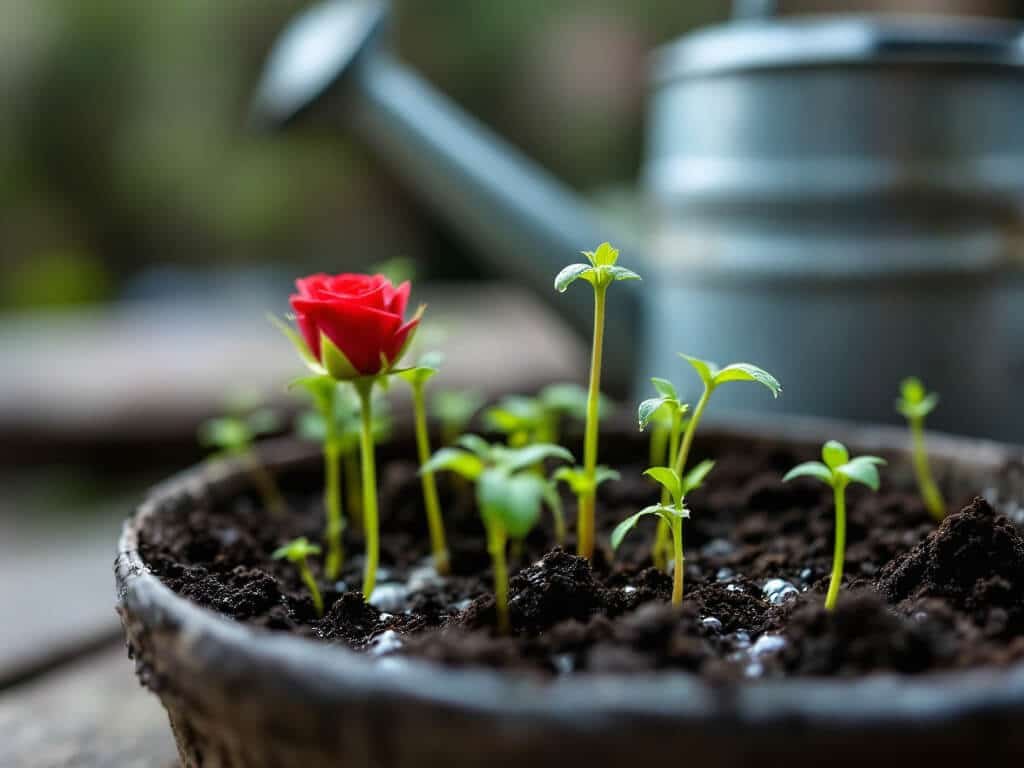
When seedlings reach about 2 inches tall, thin each group of four down to one plant, leaving the survivors at 4 to 8 inches apart. Pick the sturdiest seedling in each group and remove the others.
Snip the extras at the soil line with small scissors instead of pulling them. Pulling disturbs the roots of the seedling you’re keeping, and with a taproot plant that’s exactly what you’re trying to avoid. It feels wasteful to cut three of four seedlings, but crowded plants have to compete for light and water.
Transplant With Minimal Root Disturbance
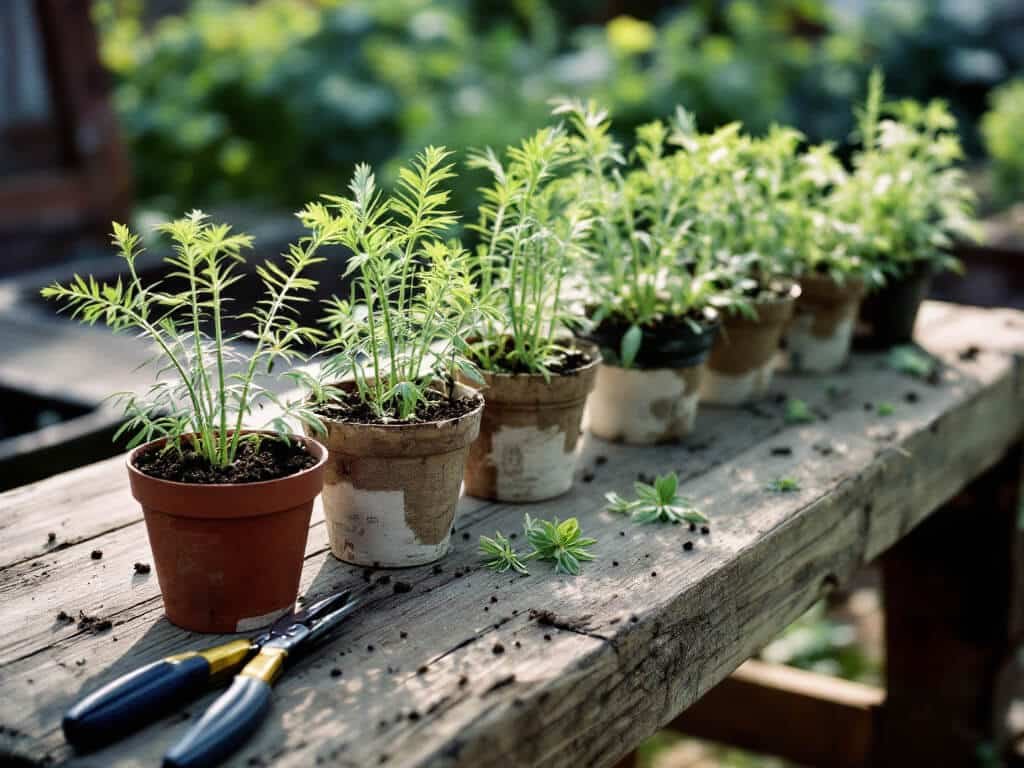
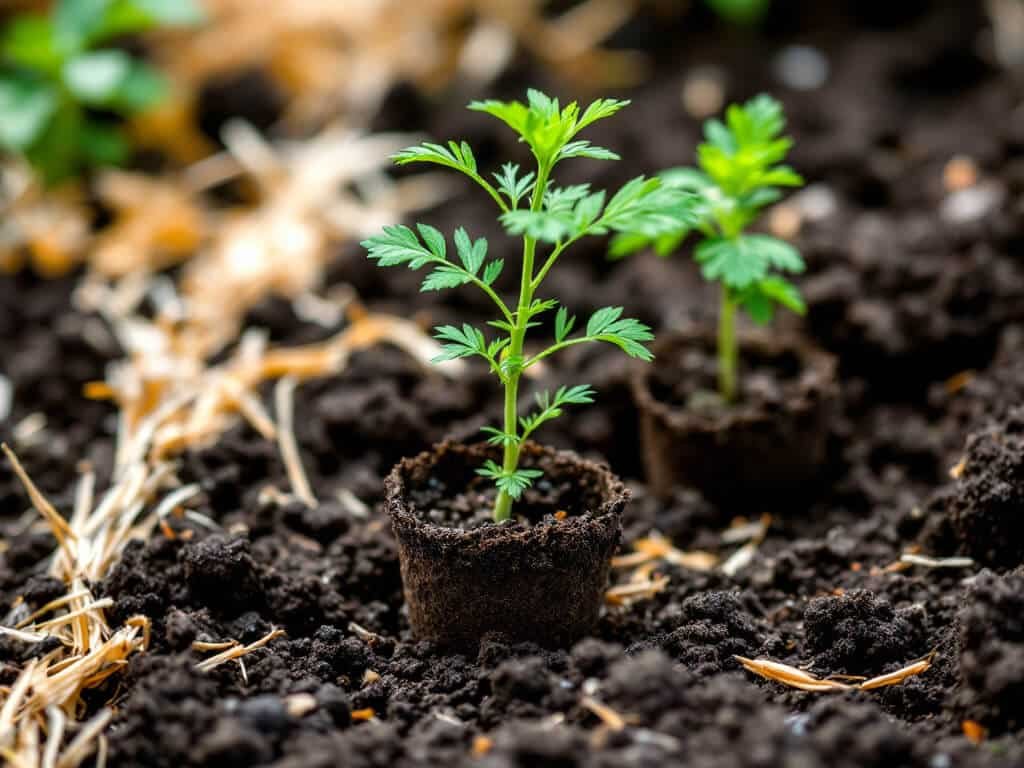
Cumin does not transplant well, so never tease apart or tear the root ball. If you started seeds indoors, plant the entire biodegradable pot in the ground or container.
Bury the pot completely so no rim sticks above the soil surface. An exposed rim can wick moisture away from the roots. Move seedlings out only after frost danger has passed, since the plant is vulnerable to frost.
If you see seedlings wilt or stall after planting, root disturbance is the usual cause. The fix is prevention next time: use biodegradable pots, or sow directly outdoors.
Grow in Full Sun and Well-Drained Soil
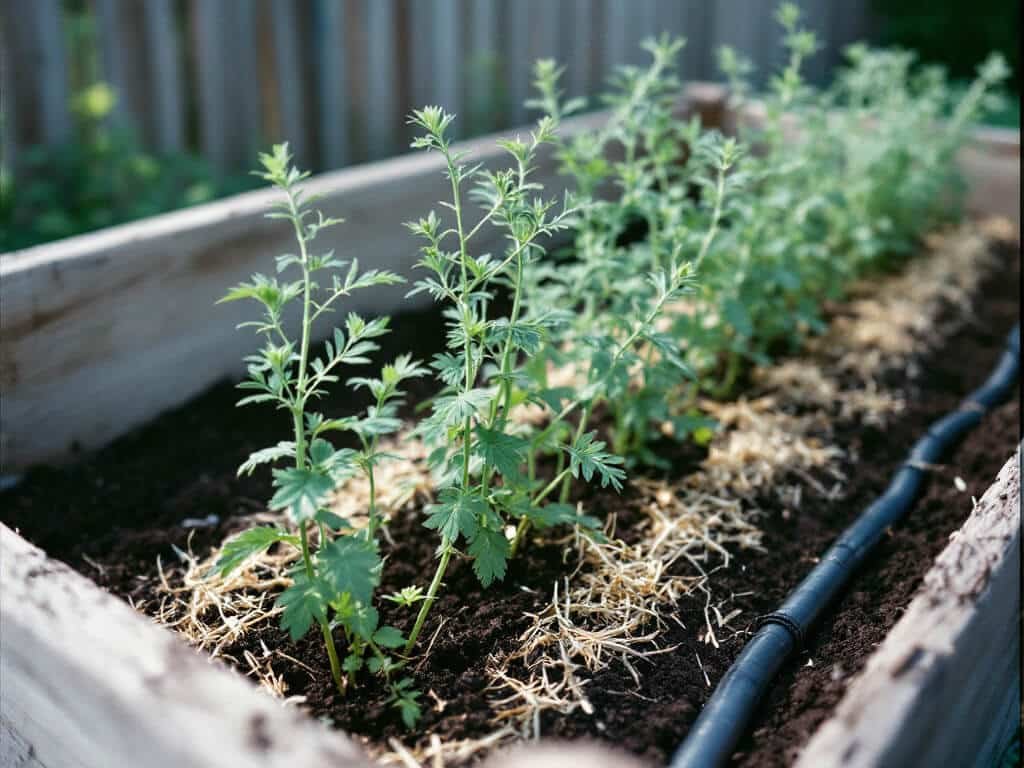
Give cumin at least 6 hours of direct sun daily, in fertile, well-drained soil. Full sun here means exactly that: six hours or more, not bright shade.
Avoid any spot where water pools or the soil stays wet after rain. If your bed drains slowly, a container filled with fertile, well-drained mix is a better choice. Leggy, weak seedlings usually mean too little light, so move them to a brighter location.
Water regularly while plants establish, then let the soil get nearly dry before soaking thoroughly. That rhythm beats a daily sprinkle.
Harvest When Seed Clusters Dry and Brown
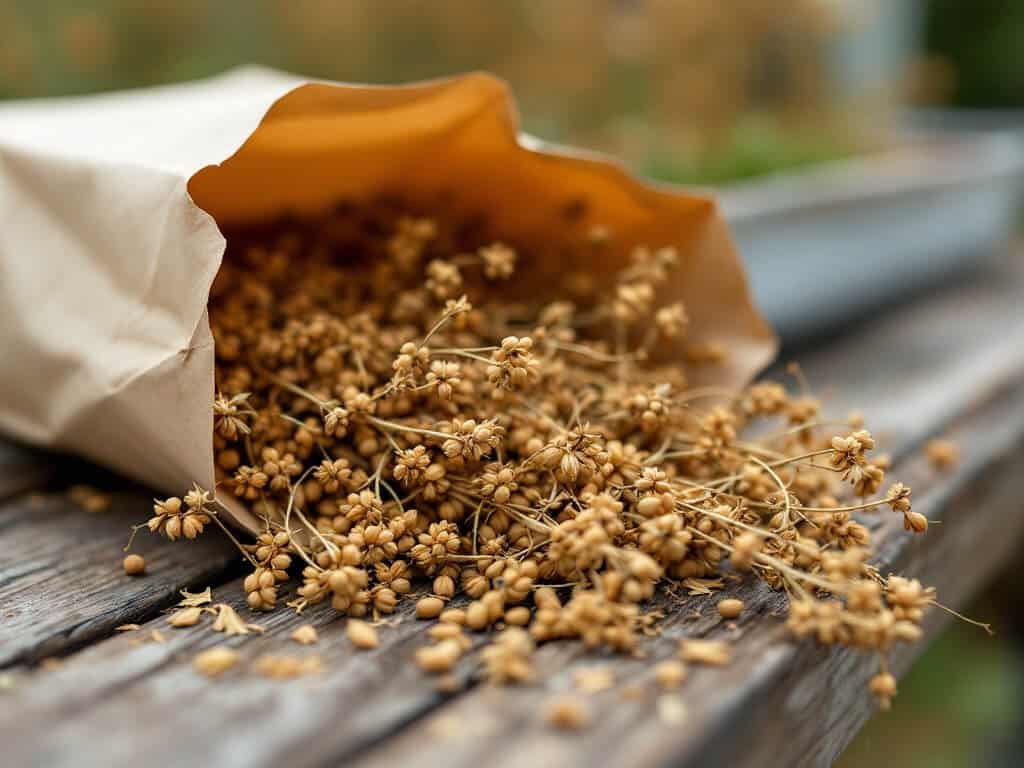
Harvest in late summer, when the seed clusters are dry and brown. Cut the stems near the ground and put the clusters in a paper bag.
Hang the bag upside down in a warm, dark area until the seed is fully dry, then thresh. Don’t thresh early, since damp seed is harder to separate and store. Seeds can shatter and be lost if clusters hang too long in the garden, so cut once they are dry and brown and finish drying them indoors.
Common Problems
– Poor germination: The soil may be too cool or the seeds too deep. Hold the mix in the 68 to 86°F range and sow about 1/4 inch deep.
– Seedlings collapse or stay stunted: Excess moisture or poor drainage may be stressing the roots. Use well-drained soil and let the surface become nearly dry between thorough waterings.
– Transplant shock: Root disturbance is the usual cause. Sow in biodegradable pots and plant the whole pot.
– Leggy seedlings: Not enough light. Move them to a spot with at least 6 hours of direct sun.
– No usable seed crop: The season was too short. Cumin needs about 120 frost-free days and 3 to 4 warm months, so start earlier and protect plants from frost.
– Seeds shatter during harvest: The clusters were left too long. Cut them once dry and brown, then finish drying in a paper bag.
When to Expect Results
Here is the whole schedule in one place.
– Indoor start: 6 to 8 weeks before the average last frost
– Outdoor sowing: 1 to 2 weeks after the average last frost
– Germination: 7 to 14 days after sowing
– Thinning: when seedlings are about 2 inches tall
– Establishment to harvest: approximately 120 frost-free days from planting
– Harvest: late summer, when seed clusters are dry and brown
Plan on 3 to 4 warm summer months for a good seed crop. Count back from your first expected fall frost to see whether your start date leaves enough room.
FAQ
Can cumin seedlings be transplanted?
They can be, but cumin does not transplant well because root disturbance can set plants back. Starting in biodegradable pots and planting the entire pot reduces disturbance.
How long do cumin seeds take to germinate?
Cumin seeds generally germinate in 7 to 14 days when sown about 1/4 inch deep under suitable temperature conditions.
When are cumin seeds ready to harvest?
Harvest when the seed clusters are dry and brown, generally in late summer after about 120 frost-free days and 3 to 4 warm months of growth.