
How to Grow Cayenne Pepper Seedlings
Pepper seedlings are slow, heat-hungry, and easy to stall with one cold night, so most of the work in growing cayenne happens before the plants ever see the garden. The plan is simple: start early, keep the seed tray warm, give the seedlings real light, and wait for warm nights before planting out. Cayenne is a tender perennial that most of us in zones 5 through 8 grow as an annual, so you get one season to make it work.
What You Need
Most of this is basic seed-starting gear. The heat mat and the light are the two items I wouldn’t skip.
– Cayenne pepper seeds, or healthy nursery seedlings if you’d rather skip the indoor stage
– Sterile, soilless seed-starting mix
– Seed trays or small containers with drainage holes
– A heat mat or another way to keep the mix warm
– A bright overhead grow light, or a very sunny indoor spot
– A spray bottle or fine watering can with clean water
– Individual pots or cell packs for moving seedlings once true leaves appear
– Fertile, well-drained garden soil, or a well-drained container mix
– Starter fertilizer for transplanting into the garden, if needed
– Stakes or cages, only if your particular plant ends up needing support
Sow Cayenne Pepper Seeds Indoors
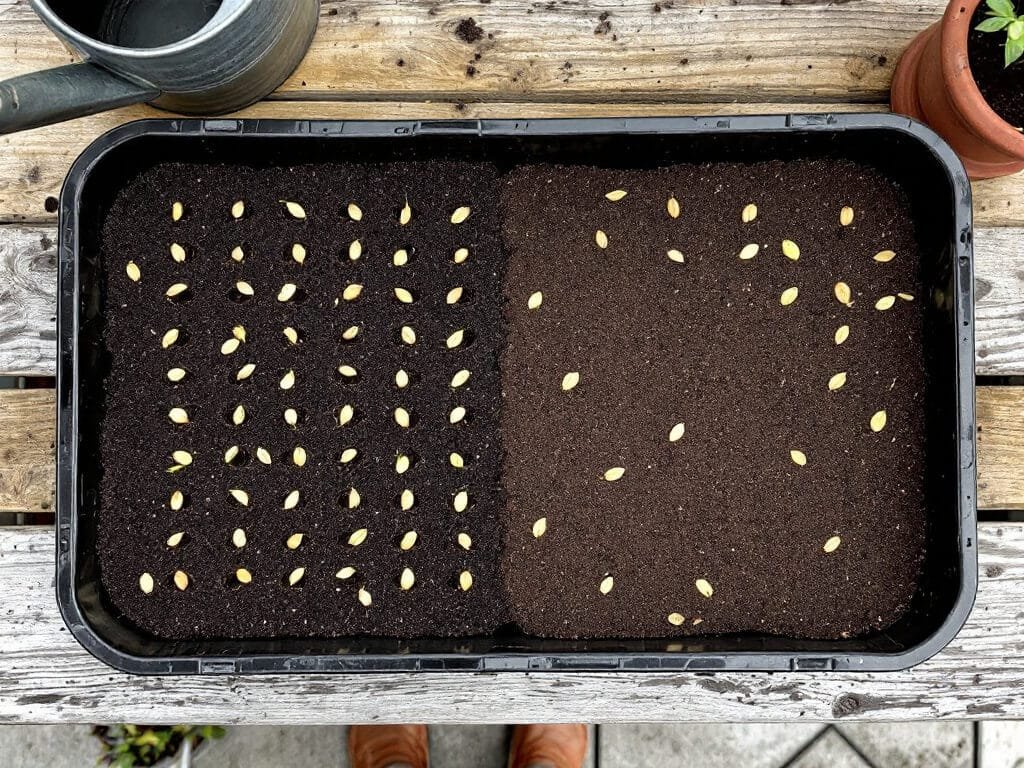
Sow seeds 6–8 weeks before your last frost date, and plant them about 1/4 inch deep. Count back from your local last frost date and mark the calendar, because starting much earlier than that leaves you holding oversized seedlings with nowhere to put them.
Use a sterile, soilless seed-starting mix rather than garden soil. Fill your trays or small containers, which need drainage holes, moisten the mix before sowing, and cover the seeds lightly to that 1/4 inch depth.
If you’re buying nursery seedlings instead, inspect them before you pay. Check the undersides of the leaves and the growing tips, and pass on any plant that looks questionable.
Warm the Seed-Starting Medium
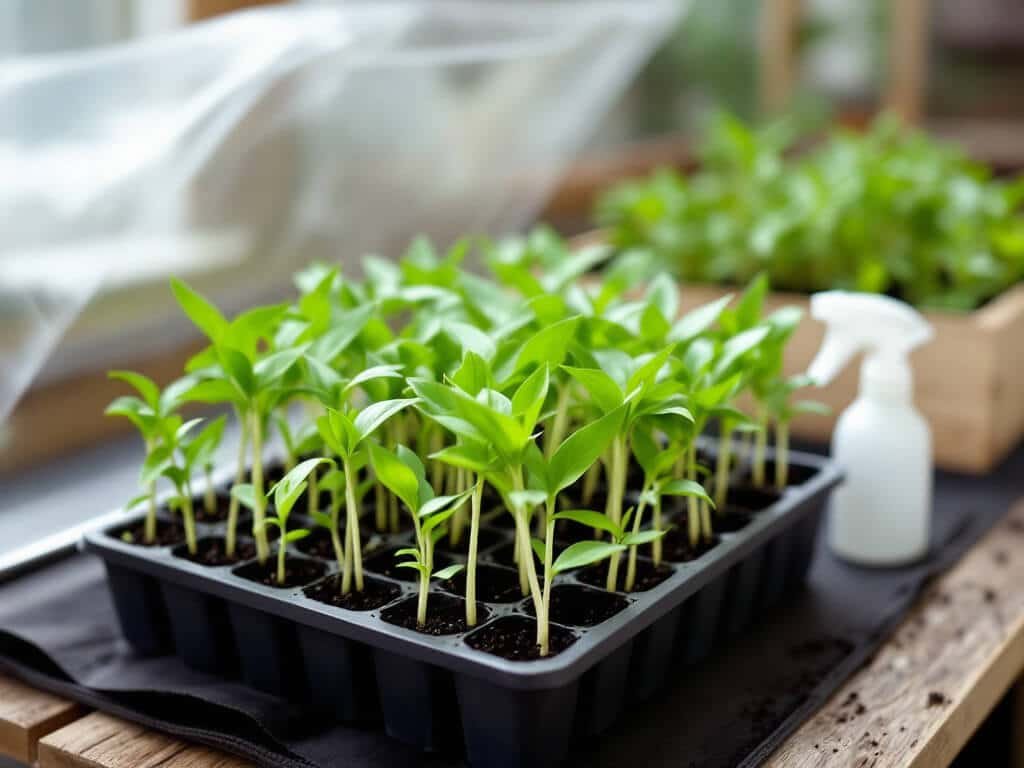
Keep the mix near 80–90°F until the seedlings emerge. A heat mat under the tray is the easiest way to do that. Peppers germinate slowly in cool mix, and poor or delayed germination is almost always a warmth problem.
Once seedlings are up and growing, the target changes. Soil around 70°F is considered ideal for pepper growth, so the 80–90°F range is for germination, not a permanent setting.
Expect germination to take roughly 16–20 days under suitable conditions. Temperature and seed quality both affect that, so don’t give up on day 10.
Light and Water the Seedlings
Give seedlings strong overhead light as soon as they emerge. A bright grow light or a very sunny spot both work. Weak light produces weak, stretched growth, so if your seedlings are leggy, move the light closer or use a stronger one.
Keep the mix evenly moist, not saturated. A heat mat dries containers faster than you’d expect, so check moisture often instead of watering on a schedule. A spray bottle or fine watering can lets you wet the mix without flooding it or blasting the seedlings.
Soggy mix is as bad as dry mix. Peppers want consistent moisture and drainage, which is why the drainage holes in your trays matter.
Separate Seedlings After True Leaves Appear
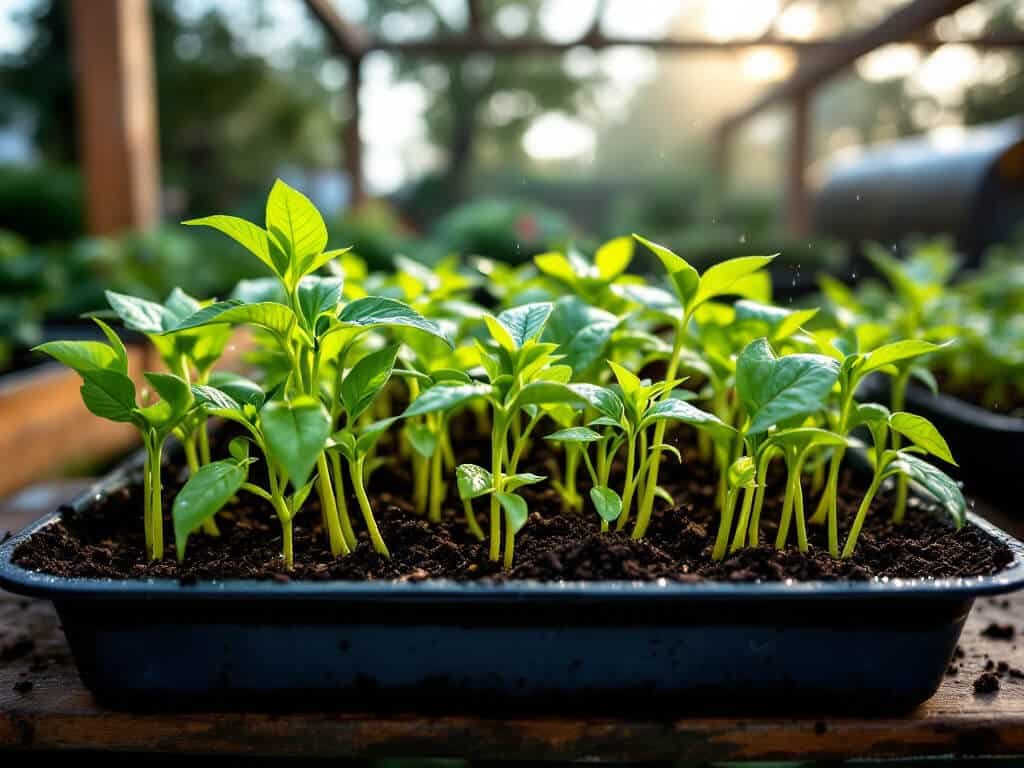
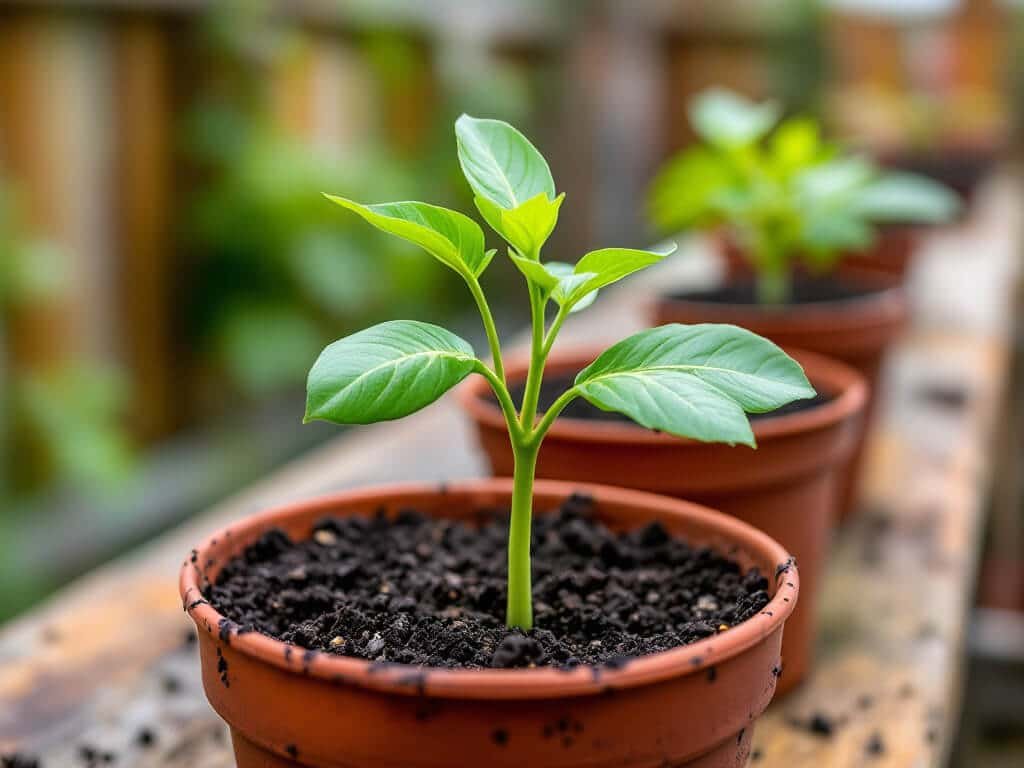
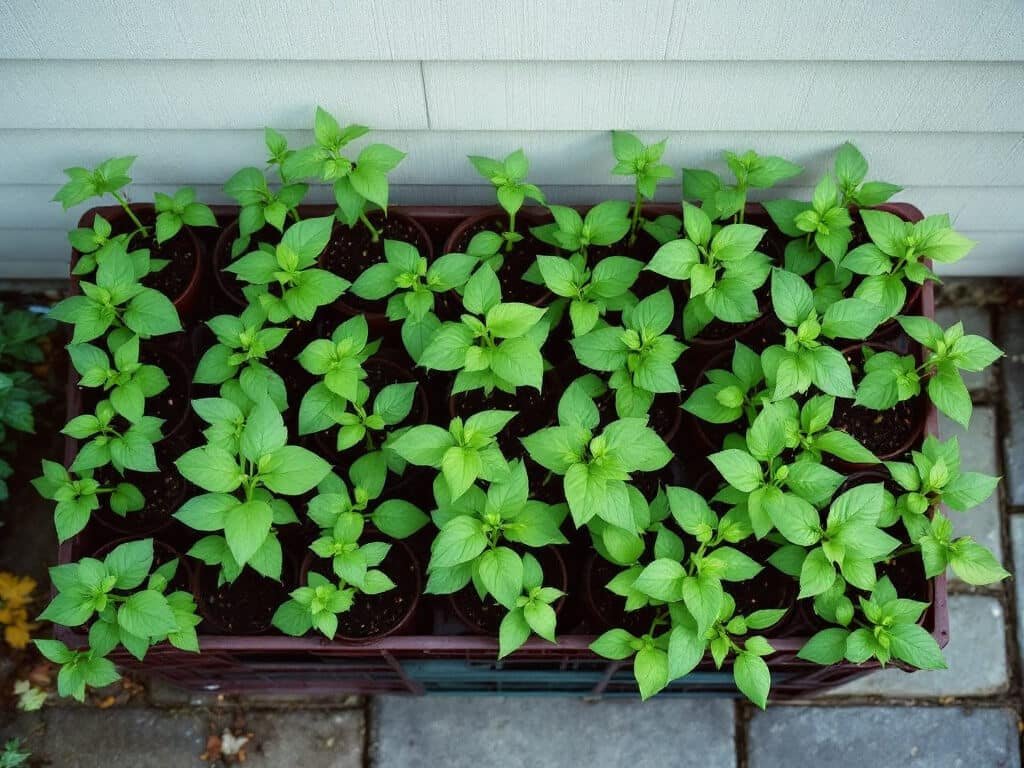
When true leaves appear, give each seedling room. Thin or transplant them so they sit 2–3 inches apart, or move each one into its own pot or cell pack. True leaves are the ones that show up after the first rounded seed leaves, and they’re your signal to act.
Crowded seedlings compete for light and tend to stretch. Individual containers also make hardening off easier, because you can carry plants outside and back in without tangling roots.
Handle the seedlings gently and keep the roots as undisturbed as you can. You’ll want them in good shape for the move to the garden.
Harden Off the Seedlings
Harden seedlings gradually over 1–2 weeks before planting out. Start them outdoors in a sheltered spot with limited sun, then increase their exposure a little each day. Bring them back inside if temperatures fall below about 55°F.
Skipping this step is the most common way to give peppers transplant shock. Indoor-grown plants haven’t dealt with wind or direct sun, and going straight from windowsill to garden bed is a rough change.
A simple routine:
– Early days: a sheltered place, such as near a wall, with limited sun
– Following days: a little more sun and a little more time outside each day
– Final days: full outdoor conditions, as long as nights stay above 55°F
Transplant After Frost Danger Passes
Do not transplant until frost danger has passed and nighttime temperatures are consistently above 50°F. Cold nights below 50–55°F can slow growth, yellow the leaves, and cause flower drop. Cold, wet soil is also hard on peppers, so a warm bed matters as much as warm air.
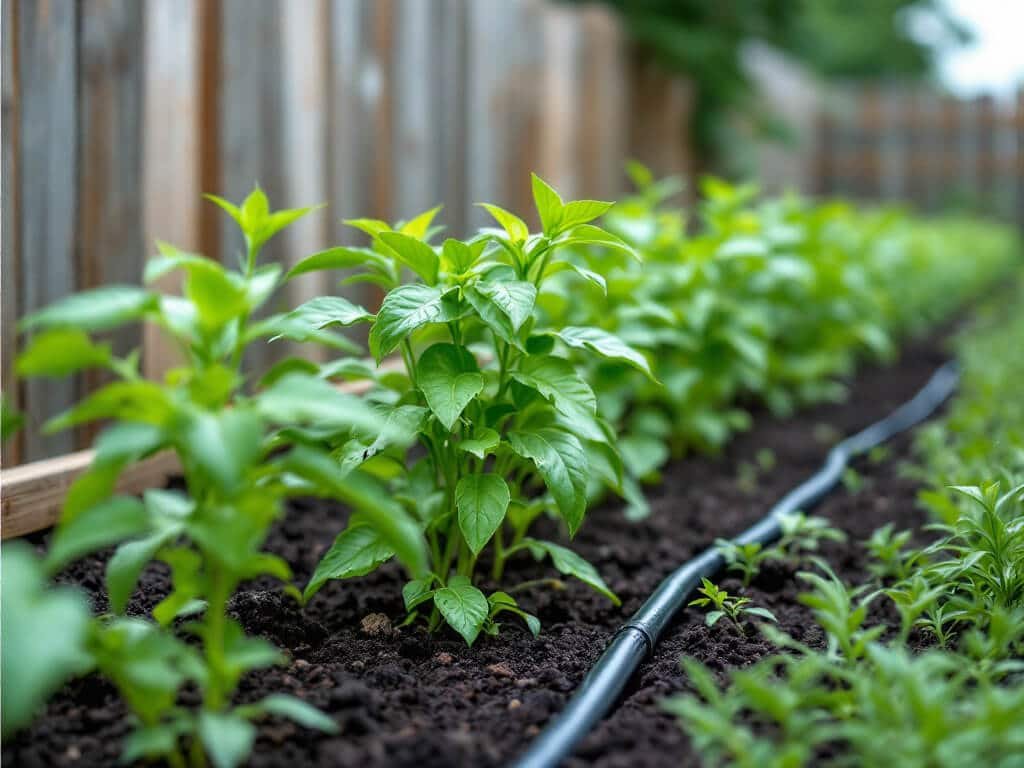
Plant at the original soil level and space plants 18–24 inches apart. Pick a cloudy, calm day or go in late afternoon, so the seedlings aren’t hit with full sun and wind right away. Disturb the roots as little as possible.
Choose a spot with full sun, meaning at least 6 hours of direct light daily, and fertile, rich, well-drained soil. In containers, use a well-drained mix. If your soil is poor, a starter fertilizer at planting can help.
Water thoroughly after planting. Then add stakes or cages only if your plant leans or needs support, since there’s no universal requirement.
Maintain Even Moisture and Monitor Growth
Once the plants are in the ground, the main job is steady watering. Keep soil consistently and evenly moist but well drained, and avoid both waterlogged soil and cycles of drying out and soaking. Uneven water is linked to blossom-end rot.
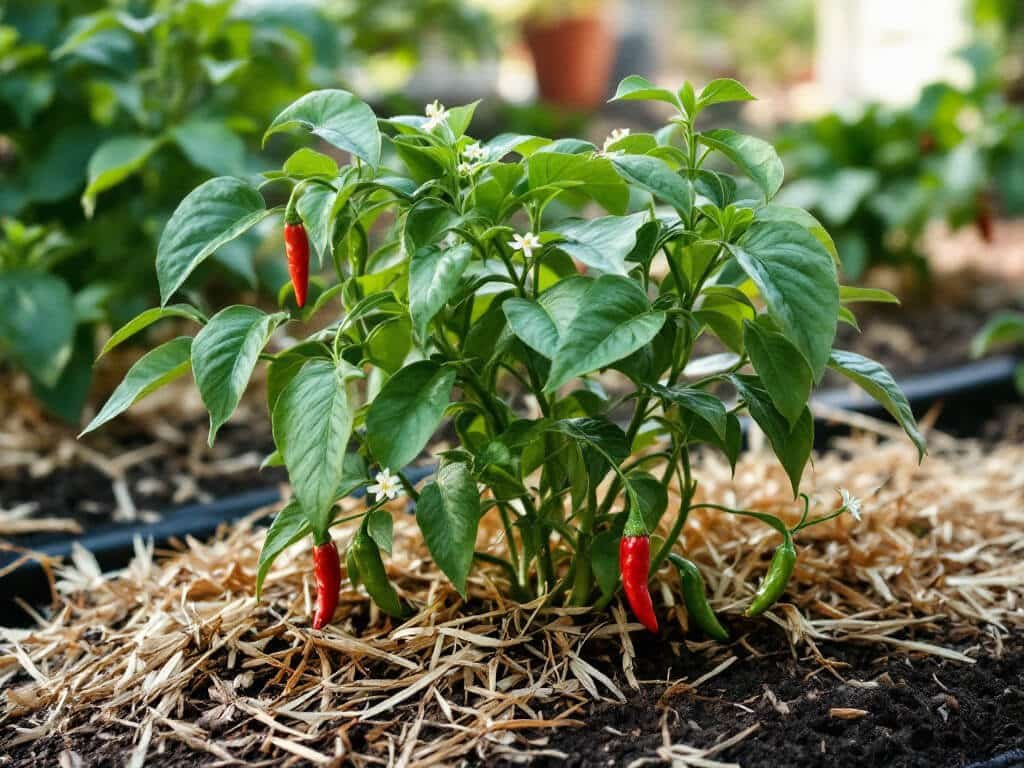
During dry stretches, mulch or irrigate to keep moisture level. Be careful when you cultivate around the plants, because damaged roots make moisture problems worse.
Check the plants regularly, especially the undersides of leaves and the growing tips. Aphids, bacterial diseases, and tobacco mosaic disease are the main pest and disease concerns. If you need to treat something, use only products labeled for peppers and for the specific pest or disease you’ve identified.
Common Problems
– Leggy, weak seedlings: The light is too weak or too far away. Move it closer or use stronger overhead lighting.
– Poor or delayed germination: The mix is too cool or uneven in moisture. Aim for 80–90°F and keep it evenly moist.
– Transplant shock: Harden plants off gradually, plant at the original soil level, and avoid disturbing the root ball.
– Yellow leaves or dropped flowers: Cold nights below 50–55°F are the usual cause, along with cold, wet soil. Protect plants and wait for warmth.
– Blossom-end rot or aborted fruit: Keep soil moisture uniform, mulch or irrigate in dry periods, and avoid root damage when cultivating.
– Aphids or leaf spotting: Inspect leaf undersides and growing tips, remove or isolate questionable nursery plants, and use only treatments labeled for peppers and the problem you have.
When to Expect Results
Here’s the rough timeline, working from your local last frost date:
– Indoor sowing: about 6–8 weeks before the last frost date
– Germination: often about 16–20 days, depending on temperature and seed quality
– Potting up or thinning: when true leaves appear
– Hardening off: gradually over about 1–2 weeks
– Outdoor transplanting: after frost danger has passed and nights stay above 50°F
– First harvest: about 75–80 days after transplanting, depending on cultivar and growing conditions
Cayenne is not a quick crop, so patience in the early weeks pays off later.
FAQ
How early should pepper seedlings be started indoors?
Start cayenne pepper seeds about 6–8 weeks before your local last frost date.
What temperature do cayenne pepper seeds need to germinate?
Keep the seed-starting mix around 80–90°F to support germination. Soil near 70°F is considered ideal for pepper growth once plants are up.
When can cayenne seedlings go outside?
Transplant them after frost danger has passed and nighttime temperatures are consistently above 50°F. Harden them off gradually before planting.