
How to Grow Cilantro in Pots
If you want to grow cilantro in pots, the two things that decide whether you get a good harvest are when you sow and how you handle the roots. Cilantro is a cool-season annual herb, and it goes from leafy to flowering quickly once the weather warms. A pot gives you control over sun, shade, and drainage, which helps, but it won’t stop a plant from bolting in heat.
The plan below is simple: sow seeds directly in the final container, keep the mix evenly moist but never soggy, keep the roots cool, and cut leaves early. Then sow again before the first batch gives out.
One note on names. The leaves are cilantro, and the dried seeds are coriander. This article is about growing for leaves.
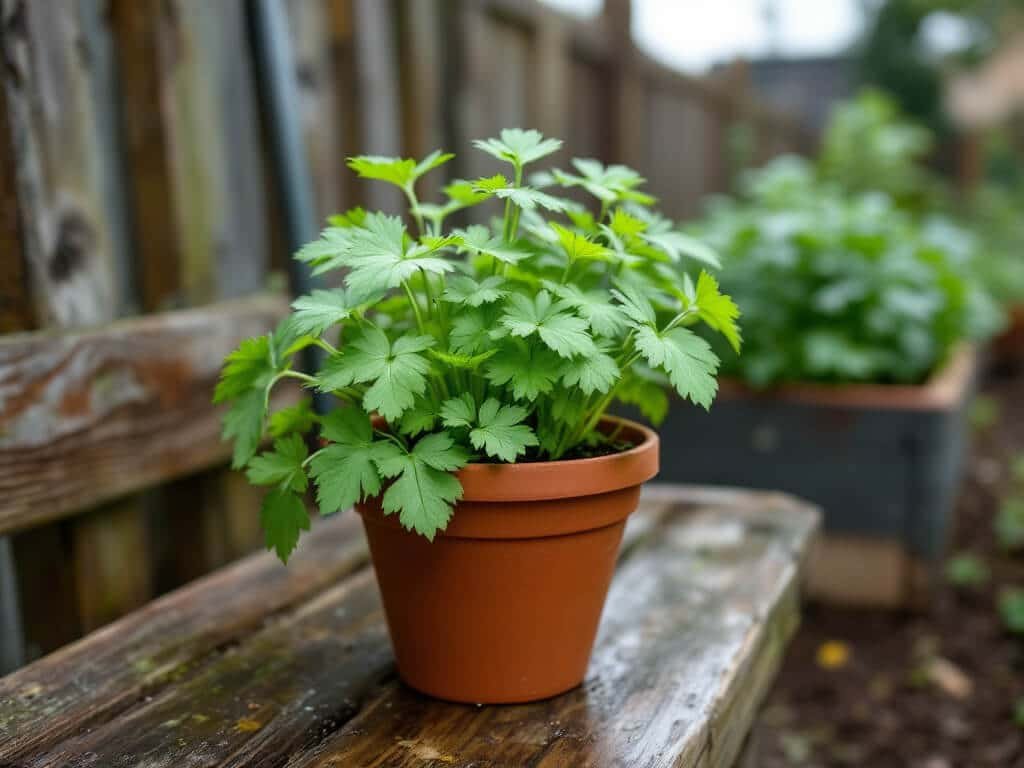
What You Need
Most of this is probably already in your shed. The container matters most.
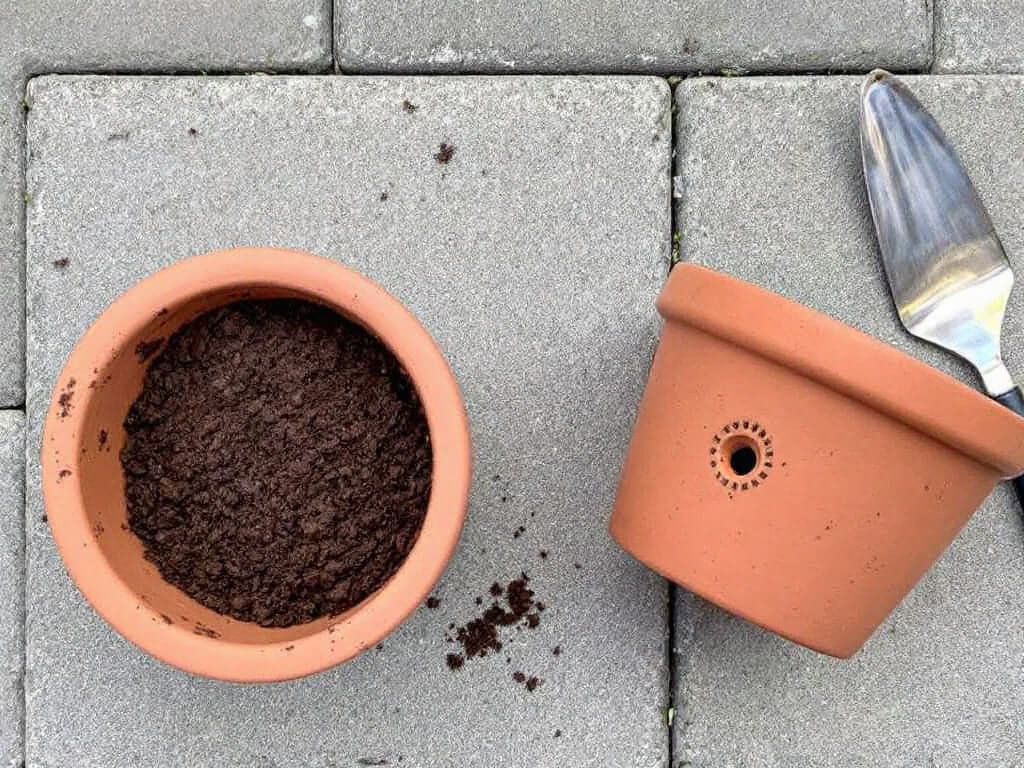
– A pot with a drainage hole. Cilantro grows a taproot, so pick one that is deep rather than shallow. The extension source I’m working from doesn’t give a minimum depth or diameter, so go deeper than you think you need.
– Well-drained, high-quality potting mix.
– Cilantro seeds.
– A watering can or a hose with a gentle spray.
– Labels and a pencil, which you’ll want once you start sowing in stages.
– Optional: a light mulch to suppress weeds and keep the soil cooler.
– Optional: a mild nitrogen fertilizer, used sparingly. Too much nitrogen reduces flavor.
Choose a Cool, Sunny Location
Cilantro likes full sun, but it is a cool-season herb, so the best spot gives it light without baking it. Put the pot where it gets full sun in cool weather, and move it or shade it in the afternoon once temperatures climb. Some afternoon shade helps in hot conditions.
Humidity matters too. Cilantro does poorly in damp, humid conditions, so skip the crowded corner where air doesn’t move and the foliage stays wet.
The advantage of a pot is that you can relocate it. If a spot that worked in cool weather turns into a heat trap, slide the container somewhere shadier in the afternoon.
Fill the Container With Well-Drained Mix
Fill the pot with a fertile, well-drained potting mix and leave some room at the top so water doesn’t run over the rim when you irrigate. A moderately fertile mix is fine. Cilantro doesn’t need rich soil, and as covered below, extra fertilizer can hurt flavor.
Do not use a container without a drainage hole. Cilantro does not tolerate persistently wet soil, and a pot that holds water is the fastest way to get weak, rotting seedlings.
Fill the pot, level the surface, and water it lightly before sowing so the mix settles. Top off if it sinks.
Sow the Seeds ½ Inch Deep
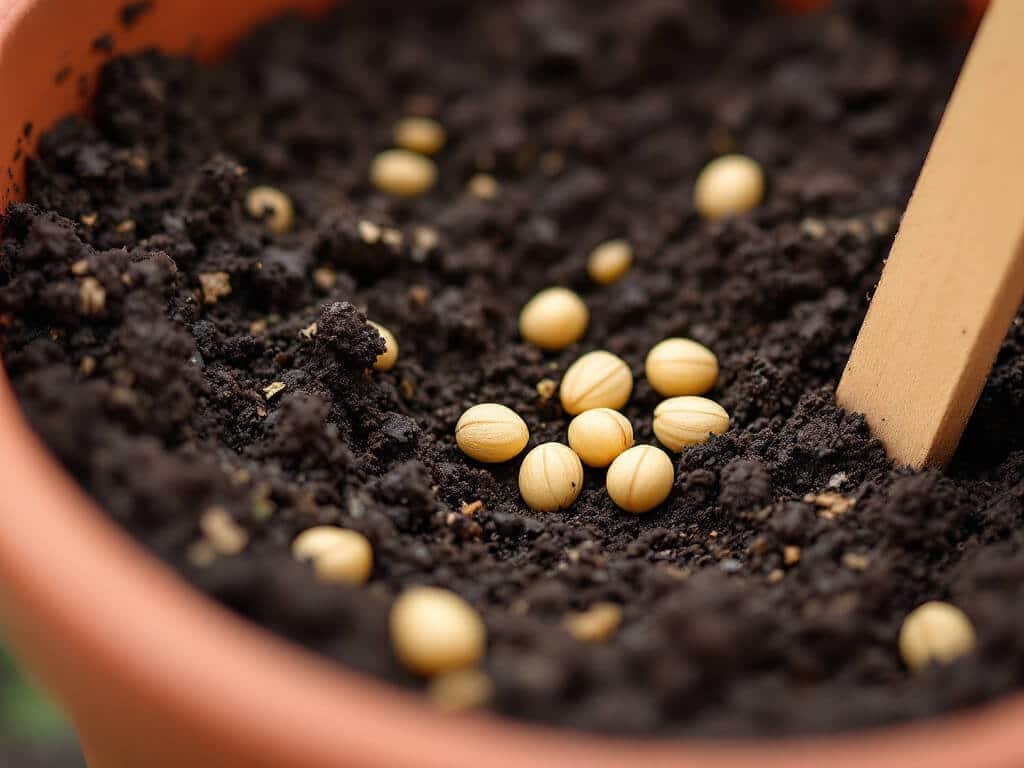
Sow the seeds about ½ inch deep, directly in the pot where they will grow. Cilantro develops a taproot and doesn’t respond well to root disturbance, so starting seeds in a tray and transplanting them later is more likely to set plants back.
Scatter the seeds across the surface, press or poke them to roughly ½ inch, and cover them with mix. Don’t bury them deeper. Depth is one of the first things to check if nothing comes up.
Label the pot with the sowing date. It costs nothing, and it makes the repeat sowings later much easier to manage.
Space Seedlings for Leaf Harvest
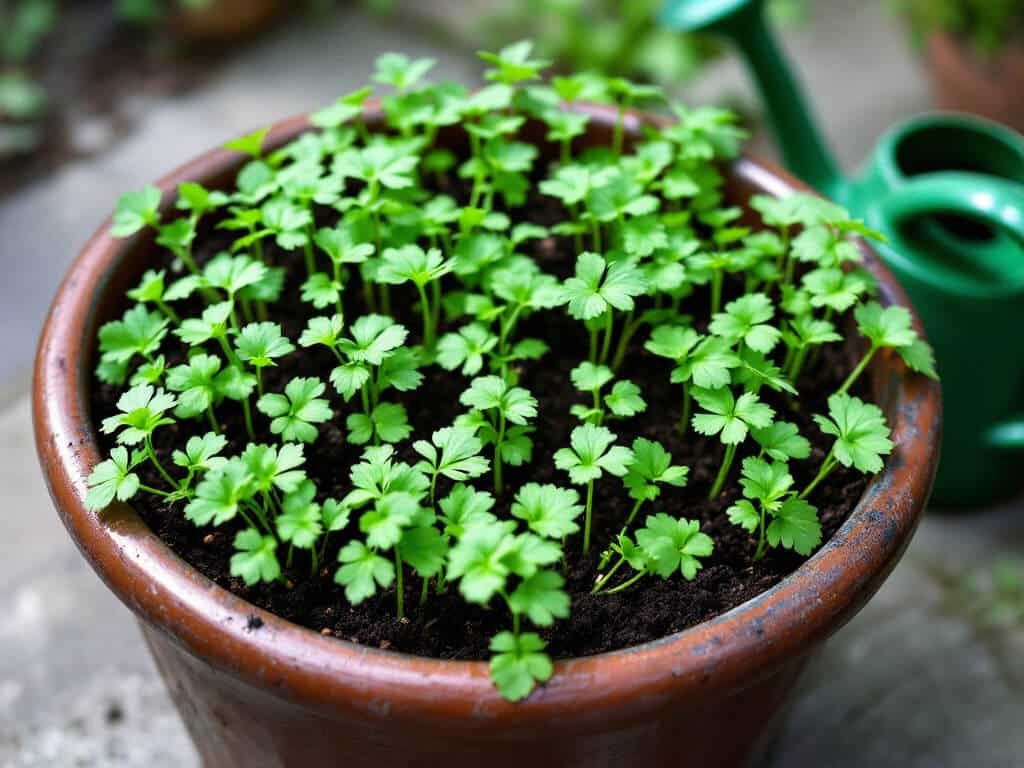
For leaf harvest, space seedlings about 2 inches apart. If you sowed thickly, thin the extras once the seedlings are up, snipping at the soil line so you don’t disturb the roots of the plants you’re keeping.
That 2-inch spacing is for leaves only. If you wanted coriander seed instead, the plants would need 8–10 inches between them, which is a very different use of a pot. For a standard container, grow for leaves and use the tighter spacing.
Mature cilantro can reach roughly 1–3 feet tall, but you won’t let it get there if you’re harvesting leaves. That height is what you’d see once the plant bolts and flowers.
Water During Establishment
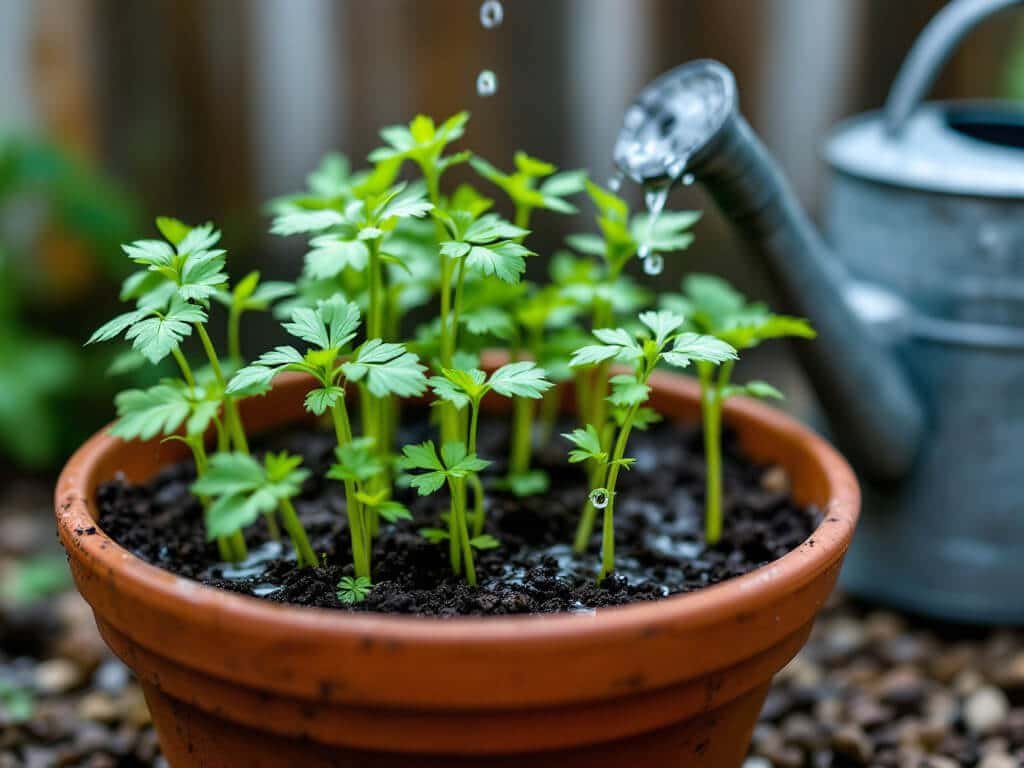
Water regularly while the seeds germinate and the seedlings establish, using a gentle spray so you don’t wash seeds out of the mix. Keep the mix adequately moist, not soaked. Germination can take about 21 days, so don’t give up on the pot early.
Once the plants are established, water only as needed. Check the top of the mix with a finger before you water. If it’s still damp, wait.
Overwatering does double damage. It encourages rot in seedlings, and the extension guidance links it to weaker flavor in the leaves. If a pot stays soggy, improve drainage and water less often.
Keep the Root Zone Cool
Extension guidance recommends keeping soil temperature below 75°F when possible. In a pot, that is harder than in the ground, because containers heat up faster, especially dark ones in direct sun.
Here is what you can do about it:
– Sow during cool weather rather than waiting for the warm stretch.
– Don’t set the pot next to a heat source, such as a south-facing wall or hot paving.
– Give the plants afternoon shade when it gets hot.
– Add a light mulch over the mix to keep the soil cooler.
Heat pushes cilantro toward flowering and seed formation. You can slow that down, but you can’t prevent it indefinitely, which is why the next section matters.
Make Succession Sowings
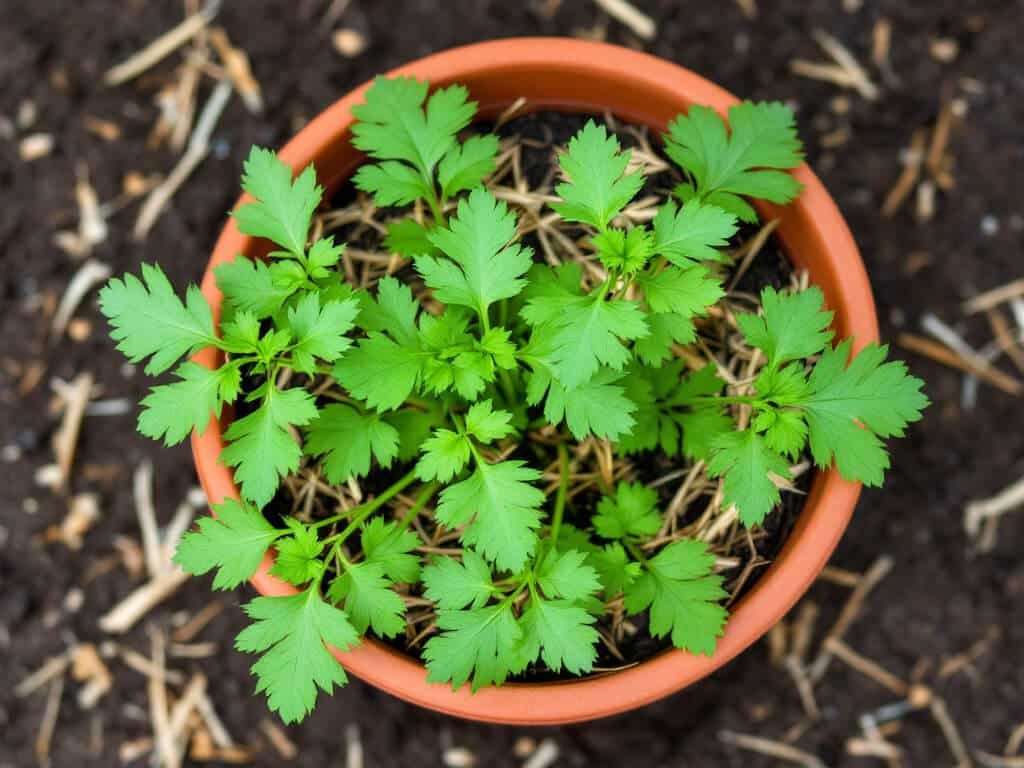
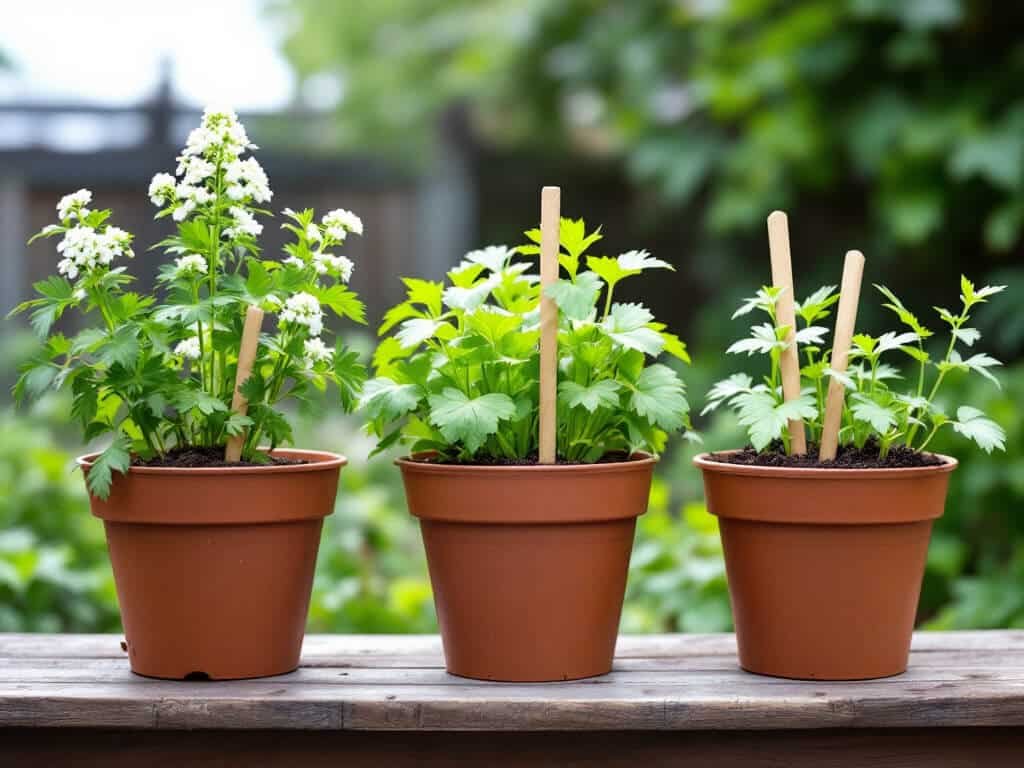
Cilantro can move quickly from leaf production to flowering in warm weather, so a single sowing gives you a short harvest. The fix is to sow more. Start additional containers, or sow a new section of the same pot, as the growing season goes on.
This is where those labels and dated sowings pay off. When one batch starts to bolt, the next should already be coming along. The brief doesn’t set a fixed interval, so adjust the timing to your local temperatures and how much cilantro you actually use.
I’d rather run two or three small pots at different stages than one big pot that all bolts at once.
Harvest the Leaves
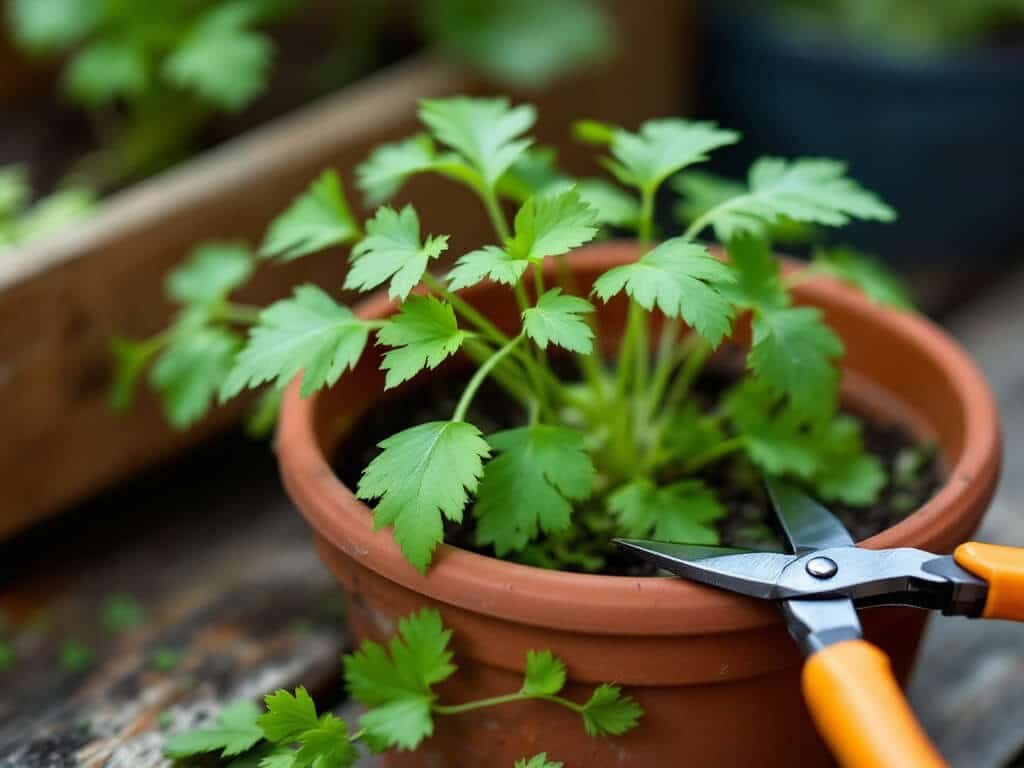
Start harvesting when the plants are about 4–6 inches tall. Cut the usable outer leaves as you need them rather than waiting for the whole plant to mature. Cool conditions favor leaf production, so harvesting steadily while the weather cooperates is the way to get the most from each sowing.
Take what you plan to use and leave the center of the plant to keep producing. If the plant starts sending up a flowering stalk, that’s the bolting that heat triggers, and your next sowing should be ready to take over.
Common Problems
Seeds don’t germinate. Check that the seeds are no deeper than about ½ inch, that the mix isn’t drying out, and that the pot is in a cool spot. Germination may take about 21 days, so confirm you’ve waited long enough.
Seedlings are weak or rotting. Improve drainage and water less often. Cilantro doesn’t perform well in persistently wet conditions.
Plants bolt quickly. Grow during cooler weather, give afternoon shade during hot periods, and make successive sowings so there’s always a fresh batch.
Leaves taste weak. Overwatering and excessive fertilizer are both associated with reduced flavor. If you fertilize at all, use a mild nitrogen fertilizer sparingly.
Plants suffer after transplanting. Sow directly in the final container. If you must move seedlings, disturb the roots as little as possible.
Leafhoppers show up. Inspect the plants regularly. If you need to treat, choose a control method that is appropriate for edible crops and follow the product label.
When to Expect Results
Here’s the rough timeline from the brief:
– Germination: about 21 days after sowing.
– Establishment: starts once seedlings emerge. Water regularly until the plants are established.
– Leaf harvest: when leaves are about 4–6 inches tall.
– Succession sowings: through the growing season, timed to your local temperatures and how long you want to keep harvesting.
The source doesn’t give a USDA zone range for cilantro, since it’s grown as an annual. In practice, your local temperatures will decide your sowing window more than your zone number will.
FAQ
Can cilantro grow in a pot?
Yes. Cilantro grows in a container as long as the pot is deep enough, has drainage, gets enough sun, and stays cool enough for this cool-season herb.
How deep should cilantro seeds be planted?
Sow cilantro seeds about ½ inch deep. For leaf harvest, thin the seedlings to about 2 inches apart.
How can a container gardener keep cilantro from bolting?
Grow it during cool weather, keep the soil from getting too dry or hot, and give it afternoon shade when temperatures rise. Make successive sowings too, because warm weather shortens the leaf-harvest period.