
Purslane Companion Plants: Good and Bad Choices
Choosing purslane companion plants comes down to two things: sun and water. Purslane wants full sun and well-drained soil, and it needs little water once established. Anything that shares those conditions is a fair neighbor, and anything that wants shade or steady moisture is not.
One claim you’ll see repeated is that purslane repels pests or improves the flavor and growth of whatever grows beside it. The extension sources don’t support that. They document purslane growing around collards and list traditional pairings, but none of them establishes a universal companion effect. Plan around space and site conditions, not pest control.
Why pairings matter for purslane
Purslane is a low, succulent annual, about 4–8 inches tall with a spread of roughly 12–16 inches. It’s grown as an annual in zones 5–9 and only behaves as a perennial where frost doesn’t reach. It likes average, well-drained soil with a pH between 5.5 and 7.5.
That low profile is why it works as a groundcover under taller plants. It can fill bare soil between crops, and you can harvest leaves and tender stems all through summer growth. Flowers show up from midsummer into early fall.
The same habits cause trouble if you pair it badly. A plant that needs frequent watering will either drown the purslane or go thirsty. A plant that shades the bed will cut the light purslane needs to stay compact and flower. And a spreading groundcover planted tight against a crop’s base can crowd it.
So the useful questions about any neighbor are these: does it want full sun, does it tolerate dry soil, and is it tall enough to stand above a 4–8 inch mat?
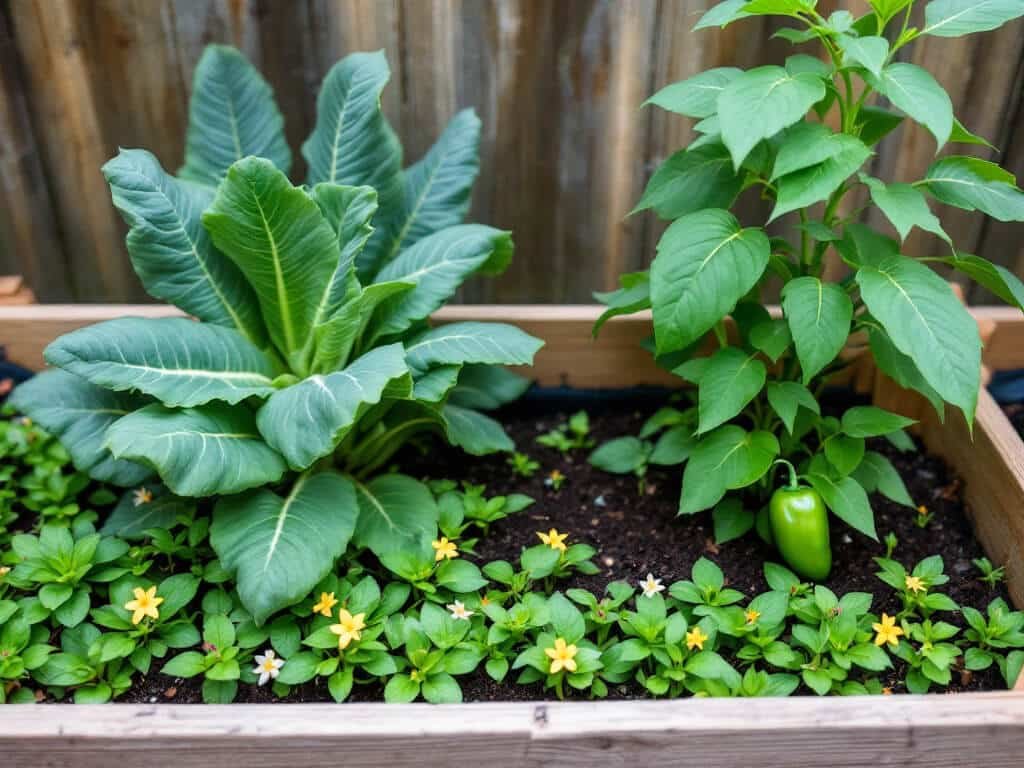
Best companion plants for purslane
The vegetable pairings below come from extension sources and traditional gardening practice. The ornamental pairings are based on shared sun and dry-soil preferences. For most of these, no tested spacing figure exists, so the guidance is about placement and keeping purslane off the crown or stem.
Collards and other brassicas
This is the best-documented pairing. The University of Maryland describes purslane allowed to grow between and around collards, where its low canopy covers bare soil. Leave enough room that the purslane can spread without touching the brassica crown. No universal spacing figure has been verified.
Corn
Corn is a traditional partner. Purslane uses the ground beneath a tall crop, and the University of Nevada source describes possible root-depth complementarity between the two. Use this only where your corn rows let enough light through for purslane. No purslane-to-corn spacing has been verified.
Beans
Gardening literature reports beans as a companion because climbing growth sits overhead while purslane stays at ground level. The two use different layers of the same patch. No verified spacing recommendation exists, so keep purslane out of the bean stems’ immediate base.
Peppers
Peppers are sun-loving and taller than purslane, which leaves the ground underneath open for a groundcover. Keep purslane from covering the pepper stem base. No verified spacing figure was found.
Potatoes
Purslane can use the open ground around potatoes. The catch is cultivation: don’t let it interfere with hilling or harvest. Because potatoes get disturbed, this is a pairing where you’ll be pulling purslane back more often. No verified spacing recommendation exists.
Squash
Both like warm, sunny beds, but squash eventually throws a lot of shade. Plant purslane where it will get adequate sun before the vines expand. If the squash is going to cover that spot by midsummer, put the purslane somewhere else. No verified spacing figure was found.
Tomatoes
Tomatoes are a traditional pairing, and a low groundcover fits the idea. Keep purslane outside the tomato stem zone and watch for local disease issues. See the basil and tomato note below before committing. No verified spacing recommendation exists.
Lavender
Lavender and purslane both prefer sunny, relatively dry conditions. Lavender gives you vertical structure behind a low purslane planting. Separate them enough to keep air moving and to stop purslane from covering lavender’s crown. No verified spacing figure was found.
Catmint
Catmint offers height and the same taste for sun. Plant it behind a low, spreading purslane and give each plant its own root space. Crowding is the only real risk here. No verified spacing recommendation exists.
Daylilies
Daylilies tolerate full sun and relatively low water, which matches purslane’s site needs. Plant the purslane at the sunny edge of the daylily clump, not over the crown. No verified spacing figure was found.
Ice plant
Ice plant shares the preference for sun and dry conditions, and its low, spreading texture sits well beside purslane. Give both plants room to spread and use sharply drained soil. No verified spacing recommendation exists.
Butterfly bush
Butterfly bush supplies height above a low purslane layer and likes the same sunny spot. Plant purslane around the shrub, not directly against its base. No verified spacing figure was found.
What not to plant with purslane
The common thread is water and light. Plants that need shade or constant moisture will fight purslane’s preference for bright sun and dry feet.
Hostas
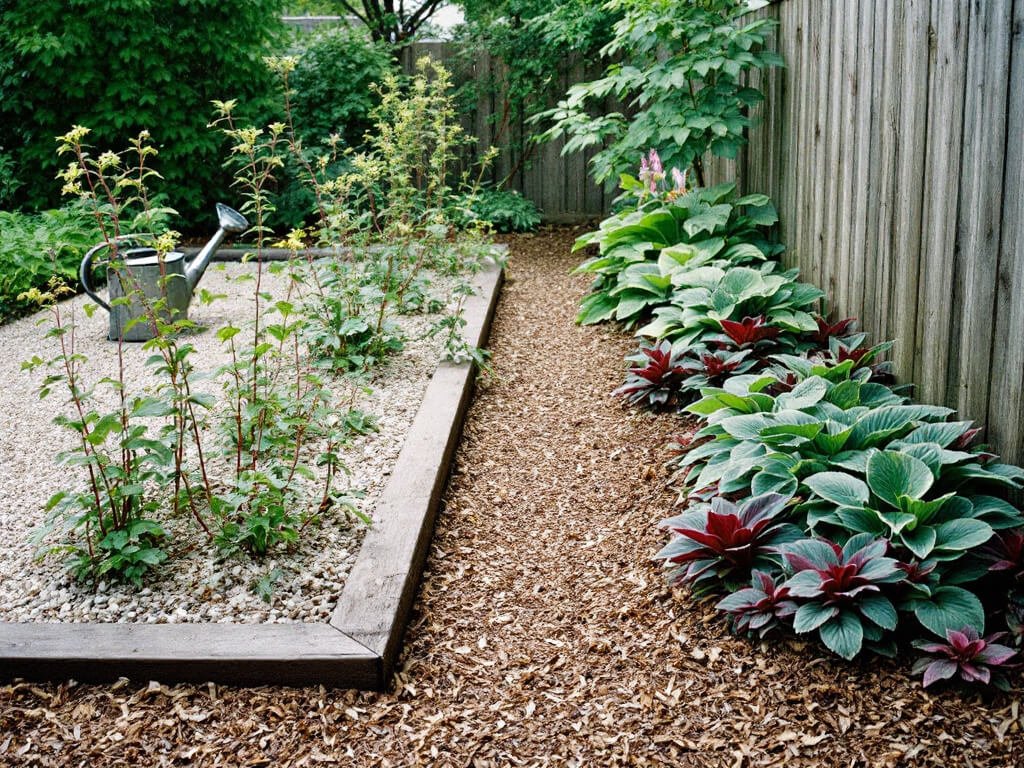
Hostas are shade plants, and purslane needs full sun. There’s no spot in a bed where both are happy, so don’t try to share one.
Coral bells
Coral bells generally do better in more shade or moderated conditions than purslane’s bright, hot spot. They’ll be stressed in the sun purslane wants, so keep them apart.
Elephant ears
Elephant ears need considerably moister soil than purslane. Water enough for them and the purslane sits in wet ground, which it doesn’t like.
Joe-Pye weed
Joe-Pye weed prefers consistently moist conditions, the opposite of purslane’s dry-site preference. Put them in different beds.
Hibiscus
Hibiscus is not an absolute no, but it prefers more regular moisture than purslane. You can grow them near each other only if you can water them separately. Don’t treat them as equal-water companions.
Basil and tomatoes in virus-risk areas
One recent non-extension source raises concern that purslane may host certain pathogens that affect susceptible crops. The extension sources reviewed did not confirm this, so it isn’t a proven universal conflict. If you’ve had virus problems in basil or tomatoes, I’d keep purslane out of those beds and plant it elsewhere.
Layout and spacing
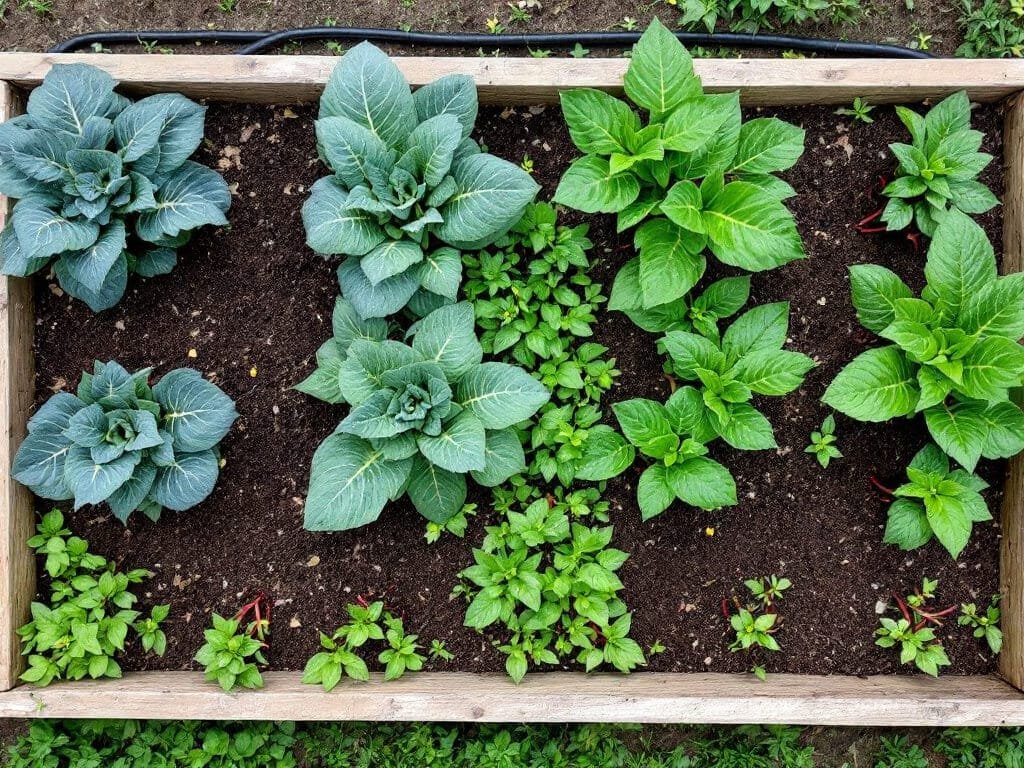
Treat purslane as a contained living mulch or border, not something to let run through the whole bed. Put it between established, taller, sun-loving crops or at the sunny edge of ornamental plantings. Keep purslane off the crown or stem base of every plant you pair it with. Verified spacing figures for specific pairings don’t exist, so plan around purslane’s 12–16 inch spread and pull it back when it creeps.
Vegetable bed: Plant purslane in the open ground between established collards, peppers, corn, or beans, with a clear gap around each stem or crown.
Tall crops: Use corn, beans, and peppers as the upper layer and purslane as the ground layer, as long as light reaches the soil.
Squash: Place purslane at the bed’s edge where it gets sun before the vines spread over it.
Ornamental border: Put lavender, catmint, or butterfly bush at the back, daylilies in the middle, and purslane or ice plant at the sunny front edge.
Water zones: Keep purslane in the dry, sunny part of the garden. Anything that needs regular moisture goes in a different bed or gets watered on its own.
FAQ
Can purslane grow beside vegetables?
Yes. The University of Maryland documents purslane growing between and around collards, and the University of Nevada reports traditional pairings with beans, corn, peppers, potatoes, squash, and tomatoes. Manage it so it doesn’t smother crop crowns or get in the way of cultivation.
Does purslane repel garden pests?
A reliable, general pest-repellent effect wasn’t established by the extension sources reviewed. Choose companions for site compatibility and use of space, not for guaranteed pest control.
What plants should not be planted with purslane?
Avoid close pairings with plants that need shade or constant moisture, such as hostas, coral bells, elephant ears, and Joe-Pye weed. Plants with different moisture needs, like hibiscus, can coexist only if you can water them separately.