
Hellebore Companion Plants for Shade Gardens
Choosing hellebore companion plants comes down to one practical problem: hellebores flower from winter into early spring, so the bed around them needs to look good for the other nine months. The good news is that hellebores want the same conditions as a lot of common shade perennials. The trick is matching moisture and drainage, then picking plants that take over once the flowers fade.
This guide covers what to plant with hellebores, what to keep away from them, and how to lay out a bed or container. One caveat up front: the sources I’m working from don’t give a hellebore-specific spacing number for any companion, so I’ll point you to plant labels instead of making up a rule.
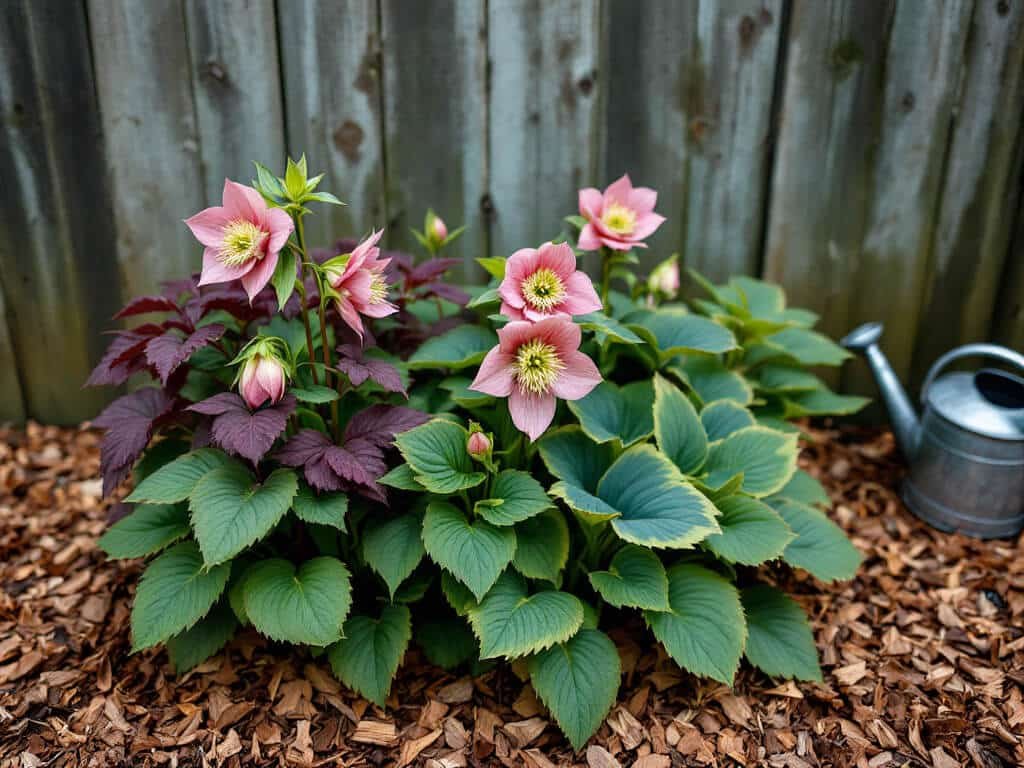
Why pairings matter for hellebore
Hellebore is an herbaceous, clump-forming perennial, and the common oriental hybrids are generally hardy in USDA zones 5–9. Hardiness varies by species and cultivar, so check your specific plant’s tag. It blooms from winter to early spring, often continuing into spring, which means the show is over before most perennials have woken up.
That timing is the main reason to plan companions. You want plants that fill in after the bloom, either with bold foliage or later flowers, so the spot doesn’t go flat in summer.
The second reason is site conditions. Hellebores prefer partial or light shade and fertile, humus-rich, moisture-retentive soil that still drains well, preferably neutral to alkaline. They can tolerate full sun if the soil never dries out, but strong sun can scorch the foliage. Any companion has to be happy with that same moist, well-drained, partly shaded setup, or one of you will be unhappy.
Mature size varies a lot by species and cultivar, and the sources don’t give one reliable figure for hellebore in general. Read the tag on the plant you buy and plan around that.
Best companion plants for hellebore
Hosta
Hosta is the obvious partner. It suits the same shaded setting and puts up bold foliage after the hellebore blooms are finished. No hellebore-specific spacing has been verified, so use the mature width of both plants and avoid crowding them.
Heuchera
Heuchera adds contrasting foliage color and texture beside hellebore’s leathery leaves. It’s a compatible shade perennial, so it won’t ask for different conditions. For spacing, use the mature widths printed on the plant labels.
Hardy geranium
Hardy geranium works in a mixed shade planting and adds a later-season layer of flowers and foliage. That fills part of the gap once hellebores are done flowering. No verified hellebore-specific spacing exists, so go by the label for the variety you choose.
Lily
Missouri Botanical Garden lists lilies among the perennials that can brighten a shade garden with hellebores. They give you a later flowering layer in the same bed. There’s no verified spacing figure for lilies with hellebores, so follow the guidance that comes with the bulbs or plants.
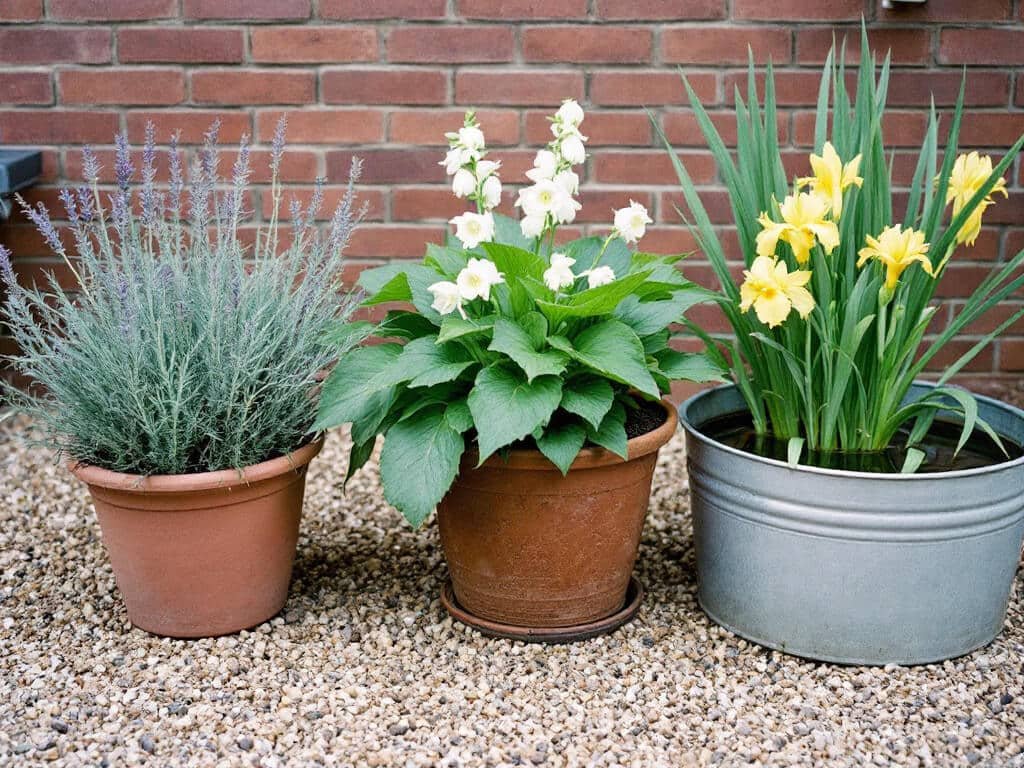
Rudbeckia fulgida ‘Goldsturm’
Missouri Botanical Garden specifically shows this rudbeckia in combination with a hellebore cultivar. Its job is summer color after the winter hellebore bloom. It’s the pairing that leans toward the brighter end of what hellebores tolerate, so keep the soil evenly moist there. No hellebore-specific spacing was verified.
Roses
Hellebores are recommended for underplanting roses. The rose canopy gives overhead structure and seasonal shade, so the hellebores get shelter while the roses are in leaf. No verified spacing figure exists, so keep the hellebore clear of the rose’s base and plan around its mature width.
Shrubs
Hellebores are also recommended for underplanting shrubs, where the canopy provides a sheltered setting. Plant according to the shrub’s mature spread, since no universal hellebore spacing was verified. In practice that means measuring out from where the shrub will end up, not where it is at the nursery.
Other bold-leaved perennials
In woodland-style plantings, hellebores are recommended among other bold-leaved perennials. The point is foliage contrast: hellebore’s divided, leathery leaves next to broad or textured ones. As with the rest, no verified hellebore-specific spacing, so use each plant’s labeled mature width.
What not to plant with hellebore
Don’t pair hellebores with anything that needs very different moisture from the evenly moist, well-drained conditions they prefer. The three groups below are the ones the research supports avoiding.
Plants needing consistently dry soil
Hellebores perform best in evenly moist soil and do poorly when the soil gets very dry. A plant that wants to dry out between waterings will either be overwatered or leave the hellebore short. Keep them in separate beds or separate parts of the garden.
Plants requiring boggy or waterlogged soil
The opposite problem is just as real. Hellebores need good drainage and dislike wet roots, so a bog plant’s soil is the wrong place for them. If a corner of your yard stays soggy, it’s not a hellebore spot, and adding a companion that likes it won’t change that.
Plants that form dense, aggressive root competition
Plants with dense, aggressive roots may compete with the hellebore for water, nutrients, and space around the crown. The sources reviewed don’t name a specific plant as universally unsuitable, so I won’t either. Use your own judgment here: if something is known in your garden for spreading hard, don’t plant it right up against a hellebore.
Layout and spacing
Put hellebores in partial or dappled shade with moist, well-drained, humus-rich soil, and think in layers. Since no hellebore-specific spacing has been verified for any of these companions, the safest approach is to give every plant room for the mature width on its label.
Front: low or spreading foliage plants, so the leaves cover the ground once hellebore flowers are done.
Middle: hellebores, as the winter-to-spring focal layer.
Back: shrubs or roses, where their canopy provides shelter and seasonal structure.
For containers, combine hellebores only with plants that tolerate the same partial shade, evenly moist soil, and excellent drainage. Leave room for each plant’s labeled mature width rather than packing the pot to look full on day one.
FAQ
Can hellebores grow in full sun?
They can tolerate full sun when the soil stays sufficiently moist, but light or partial shade is preferred. Strong sun can scorch the foliage.
What soil do hellebores need?
Hellebores prefer fertile, humus-rich, moisture-retentive soil that drains well. Neutral to alkaline soil is generally preferred.
Can hellebores be planted under roses or shrubs?
Yes. The RHS lists hellebores as suitable for underplanting roses and shrubs, provided the site is sheltered and the soil stays moist but well drained.