
Foxglove Companion Plants for Moist, Part-Shade Beds
Choosing foxglove companion plants comes down to two things: matching the moisture and light foxglove wants, and leaving enough room that air can move through the bed. Get those right and most of the usual border plants will work. Get them wrong and you end up with crown rot at the base or mildew on the leaves.
One caveat up front. The sources I’m working from don’t give a universal planting distance between foxglove and any specific companion. Where that’s the case below, I’ll say so and tell you to use the companion’s mature width instead.
Why pairings matter for foxglove
Common foxglove (Digitalis purpurea) is usually grown as a biennial. It forms a low rosette the first year and flowers the next, so whatever you plant beside it has to share the bed for at least two seasons. It’s generally hardy in zones 4–9, though published ranges vary by source and local climate.
Mature plants run about 2–6 feet tall depending on species and cultivar, and the bloom window is late spring to early summer. Foxglove wants evenly moist, well-drained, organic-rich soil, ideally slightly acidic. It takes full sun to partial shade, and afternoon shade helps in hot climates.
The trouble spots are waterlogged soil and poor airflow. Soggy ground raises the risk of crown rot. Crowded, damp foliage goes along with powdery mildew and leaf spot. Foxglove also gets aphids, mealybugs, slugs, and Japanese beetles, but none of those is solved by a particular neighbor. What you can control is water needs and spacing, so those are what to match when you pick companions.
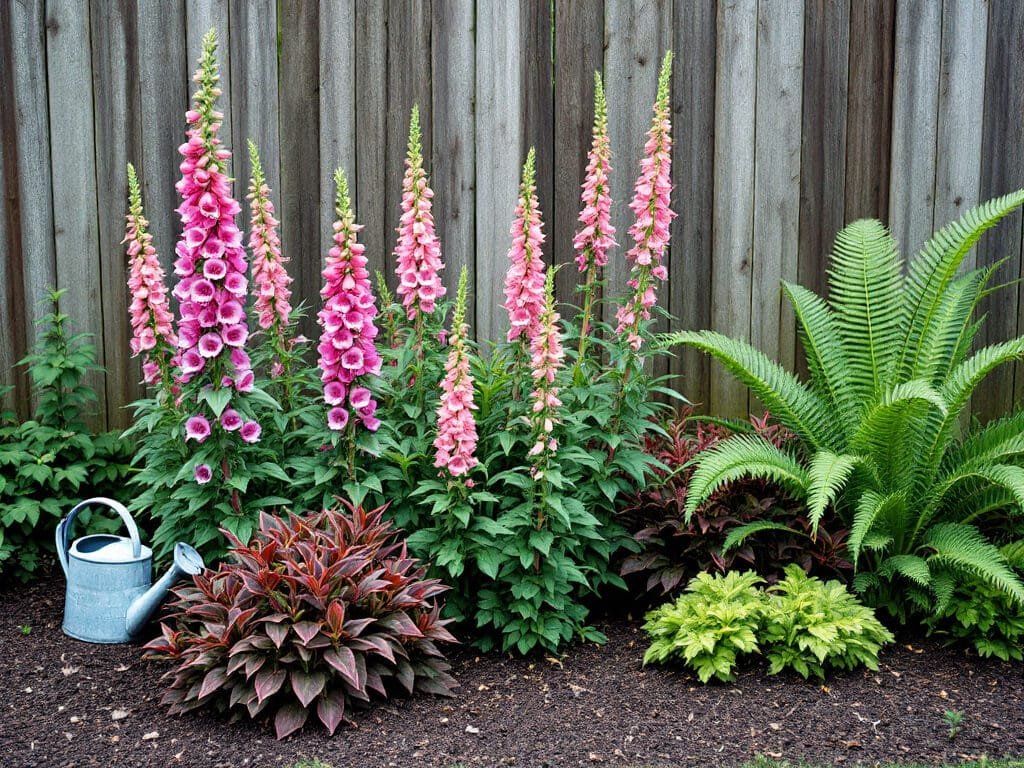
Best companion plants for foxglove
Every plant here is listed in the sources as a companion for foxglove or as a fit for its moist, part-shade conditions. I’ve put the plants that most clearly share foxglove’s moisture needs first.
Astilbe
Astilbe likes the same moist, part-shade conditions, and it gives you lower flower color under the tall foxglove spikes. Plant it using its own mature spread and keep air moving between plants. No universal foxglove-specific distance has been verified.
Astrantia
Astrantia is a documented partner for Digitalis in lightly shaded beds, and the two suit a cottage-garden look. Space it by the mature spread of the cultivar you buy, not a fixed measurement from the foxglove.
Coral bells (Heuchera)
Coral bells give you low foliage around the base of tall foxglove stems, which is useful because foxglove’s lower leaves are just a rosette. Let each plant reach its mature width. No verified pairing distance exists, so the plant tag is your guide.
Ferns
Ferns fill the lower layer of a moist, shaded bed and suit foxglove’s woodland-garden setting. Use the fern’s mature spread, and don’t crowd the foxglove rosettes, especially in the first year when the plants are small.
Delphinium
Delphinium adds a second vertical flower form to a mixed perennial border and is listed as a companion for tall foxgloves. Follow the cultivar’s mature spread and keep enough gap for airflow.
Iris
Iris is listed as a companion for tall foxgloves and brings a different foliage and flower shape to the bed. Use the spacing recommended for your iris variety. There’s no verified foxglove-specific figure.
Peonies
Peonies give the border a lower, broad-leaved structure next to foxglove’s upright stems, and they’re listed as a foxglove companion. Follow the cultivar’s guidance and leave room for the full mature foliage, which is the part people tend to underestimate.
Roses
Roses add height and form contrast in a cottage-style border and are listed as foxglove companions. Plant them at their mature width, and keep rose foliage from blocking airflow around the foxglove.
Snapdragons
Snapdragons offer another vertical flower form for a mixed border and are listed as companions for tall foxgloves. Use the label spacing for your cultivar. No universal foxglove-specific distance has been verified.
If you want the simplest, lowest-risk combination, I’d start with astilbe, ferns, and coral bells. They share foxglove’s moisture and shade preferences most directly. Delphinium, iris, peonies, roses, and snapdragons work in a mixed border, but check that your soil and light suit them as well as the foxglove.
What not to plant with foxglove
No specific plant can be responsibly called a bad foxglove companion. The extension and botanical sources describe foxglove’s main constraints (moist but well-drained soil, suitable light, good air circulation) but don’t document any plant-specific toxicity to neighbors or pairings that fail. If you’ve seen a “never plant foxglove with X” list, treat it with suspicion unless it explains a reason.
What the sources do support are two kinds of mismatch to avoid.
Plants that need very dry soil
Foxglove wants evenly moist soil. A plant that needs to dry out between waterings will fight you over the watering schedule, and one of the two will lose. This is a water-needs mismatch, not a documented foxglove-specific problem.
Dense, mildew-prone plantings
Powdery mildew and leaf spot are linked to poor air circulation. A bed packed tight with mildew-prone plants can make that worse for everything in it. The issue is crowding and arrangement, not a named pairing, so fix it by spacing plants to their mature width.
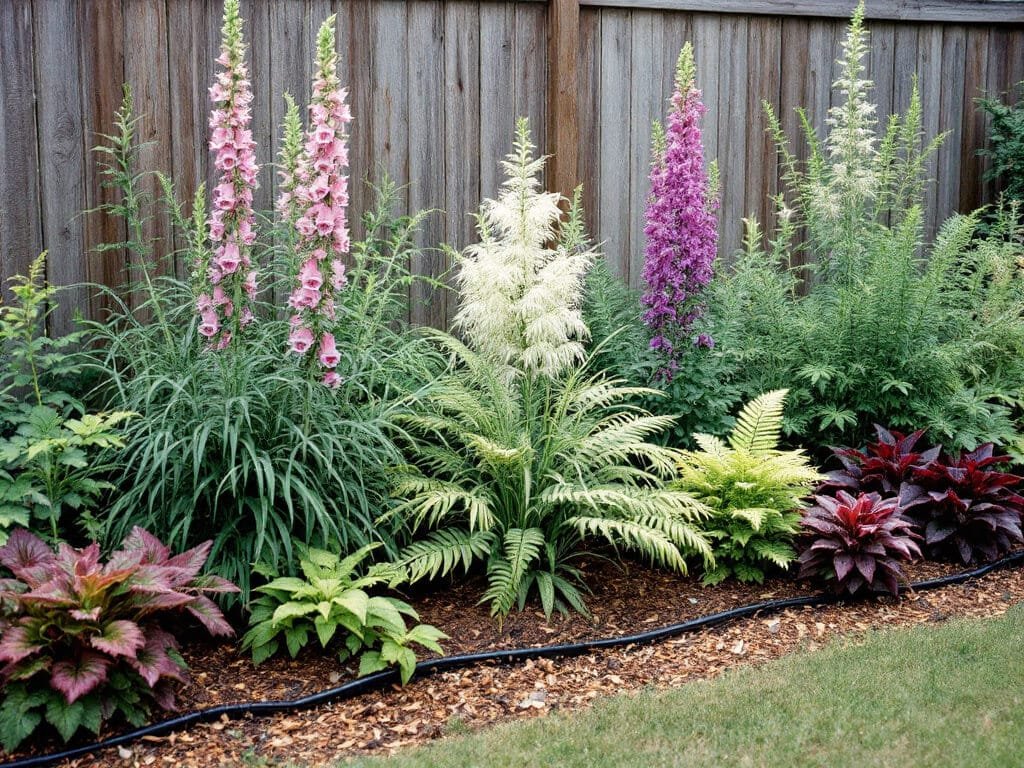
Layout and spacing
Put foxgloves at the back or middle of the border so their tall spikes don’t shade shorter companions. Group them with moisture-tolerant plants such as astilbe, astrantia, ferns, or coral bells. There’s no verified universal spacing number for foxglove and its companions, so plan around each plant’s mature spread and keep air moving. One gardening source gives about 2 feet between foxglove plants themselves.
Back or middle of the bed: foxglove, with delphinium or snapdragons nearby for more vertical form.
Front and lower layer: coral bells, astilbe, astrantia, and ferns, each given its full mature width.
Gaps between plants: enough that foliage doesn’t touch and block airflow, and ferns don’t crowd the first-year rosettes.
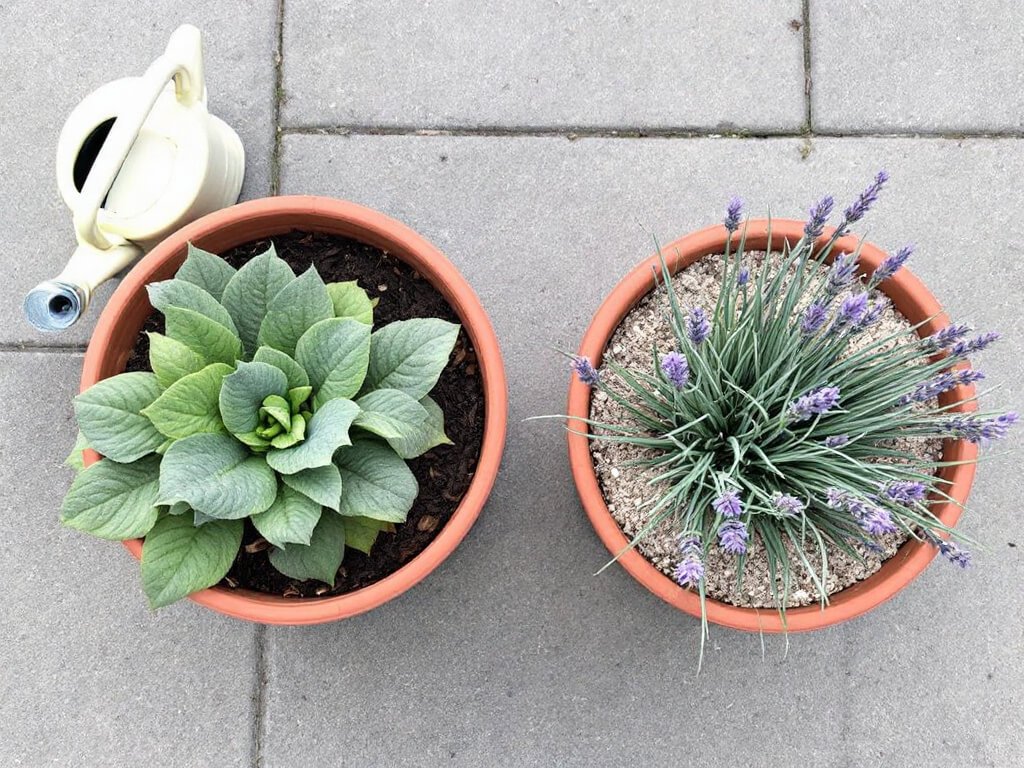
Containers: pair foxglove only with plants that tolerate the same moisture and light. Use a pot large enough for the mature plants, with drainage holes.
Safety: foxgloves are toxic if eaten, so keep containers away from children and pets.
FAQ
Can foxglove grow with hostas?
The sources support foxglove in woodland and dappled-shade gardens, but they don’t give a specific, authoritative hosta pairing, so I can’t verify it. Hostas share the shade, so it’s a reasonable thing to try if your soil stays moist and drains well.
Does foxglove need full sun or shade?
Foxglove tolerates full sun to partial shade. In hot climates, give it afternoon shade, and keep the soil moist but well drained.
How far apart should foxgloves and companion plants be?
No universal companion spacing number is verified. Space each plant by its mature width and keep air moving to cut disease risk. One gardening source gives about 2 feet between foxglove plants themselves.