
Lambs Ear Companion Plants: What to Plant Nearby
Choosing lambs ear companion plants comes down to one thing: matching the sun, drainage, and water this plant wants. Lambs ear (Stachys byzantina) is a herbaceous perennial hardy in USDA zones 4a–9b, so it covers most of zones 5–9. It wants full sun, very well-drained soil, and a bed that dries out between waterings.
You’ll see lists claiming certain neighbors repel pests or boost lambs ear’s growth. Extension sources say many of those recommendations are anecdotal, and field research hasn’t consistently confirmed pest-repelling effects, even for aromatic plants. Every plant below is picked for sharing lambs ear’s growing conditions, not for a proven pest or nutrient benefit.
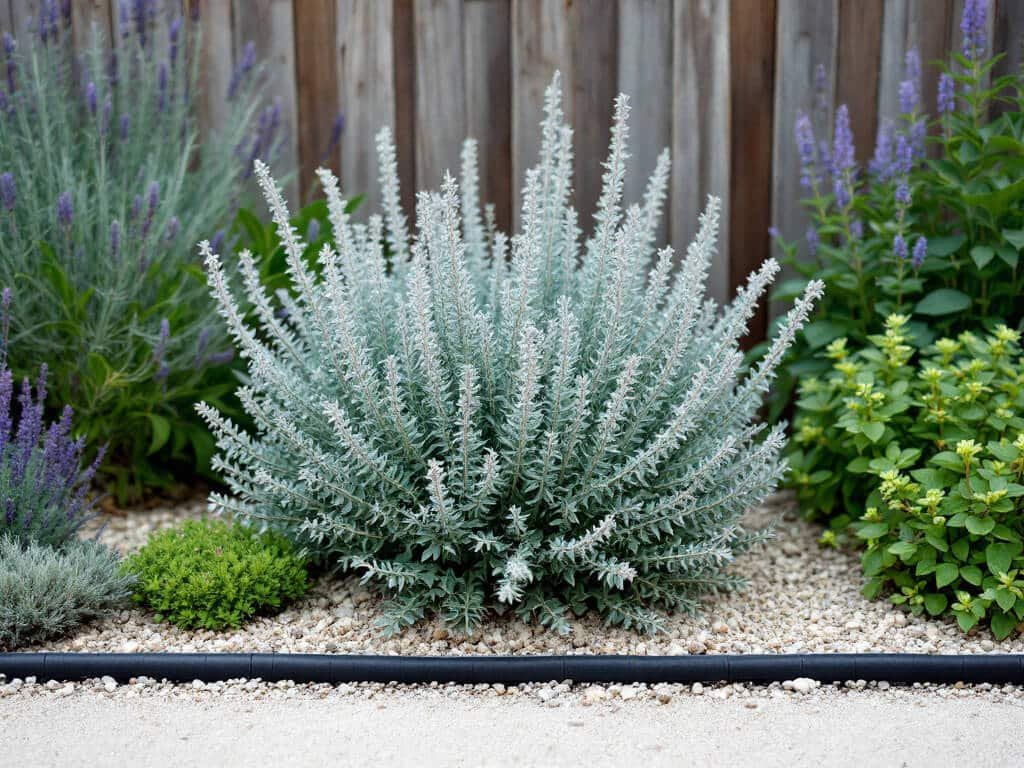
Why pairings matter for lambs ear
Lambs ear’s weak point is moisture, not neighbors. Wet soil can lead to root rot, and wet conditions also bring fungal leaf problems and powdery mildew. High humidity and overhead watering raise that risk, and those fuzzy leaves hold moisture.
So the useful question is what else can live on the same watering schedule. If you plant lambs ear next to something that wants regular water, one of the two plants will be unhappy. A neighbor that likes the same dry, sunny, sharply drained spot lets you water once for the whole bed.
Lambs ear also spreads by stems that root at the nodes, and it needs roughly 12 inches to 3 feet of room depending on the cultivar and conditions. The summer flower spikes are fine, but the silver foliage is the main show. Good neighbors give that foliage contrast in height, color, and texture without crowding it.
Best companion plants for lambs ear
None of these pairings has been tested for pest control or disease prevention, so treat them as condition matches. The spacing figures are measured from the lambs ear plant, and you should add room for the mature size of whichever neighbor you choose.
Sedum
Sedum tolerates the same sunny, sharply drained, relatively dry conditions lambs ear likes. Neither plant needs much attention once it settles in. Place lambs ear about 12–18 inches from the sedum, and adjust for how big your particular sedum gets.
Lavender
Lavender shares lambs ear’s preference for full sun and excellent drainage. Both do best when the soil isn’t staying damp. Space lambs ear about 12–18 inches from lavender, and give more room if your lavender cultivar grows large.
Thyme
Thyme fits a dry, sunny bed and uses the low-growing space beneath or beside lambs ear. It works well at the edge of a planting where you want ground covered without a tall plant shading the silver leaves. Keep lambs ear about 12–18 inches away.
Sage
Sage can share full sun and well-drained soil with lambs ear. Both have foliage that suffers when plants press against each other and hold humidity. Space lambs ear about 12–18 inches from sage and don’t let the leaves crowd together.
Rosemary
Rosemary suits sunny, sharply drained conditions, as long as it’s hardy where you live. Check that before you buy, since lambs ear’s range is wider than rosemary’s. Rosemary has a larger spread, so keep lambs ear about 18 inches away.
Yarrow
Yarrow is compatible with a sunny, well-drained planting and adds taller flower stems behind or beside the lower silver mound. That gives you height contrast without changing the watering. Space lambs ear about 18 inches from yarrow.
Catmint
Catmint fits a sunny border and offers flower spikes that contrast with lambs ear’s soft, flat leaves. Both plants like a bed that isn’t kept wet. Keep lambs ear about 18 inches from catmint so air can move between the two.
Russian sage
Russian sage provides height and shares lambs ear’s preference for sun and drainage. It makes a good back-of-border partner with lambs ear in front. Measure about 18 inches from the base of the Russian sage, and allow more room for large cultivars.
Dianthus
Dianthus suits sunny, well-drained beds and takes up a compact spot next to lambs ear. That makes it useful where space is tight. Space lambs ear about 12–18 inches away.
Coreopsis
Coreopsis adds upright summer flowers to a sunny border with average-to-dry soil, which is the same kind of soil lambs ear wants. The flowers rise above the foliage mound instead of competing with it. Keep lambs ear about 18 inches from coreopsis.
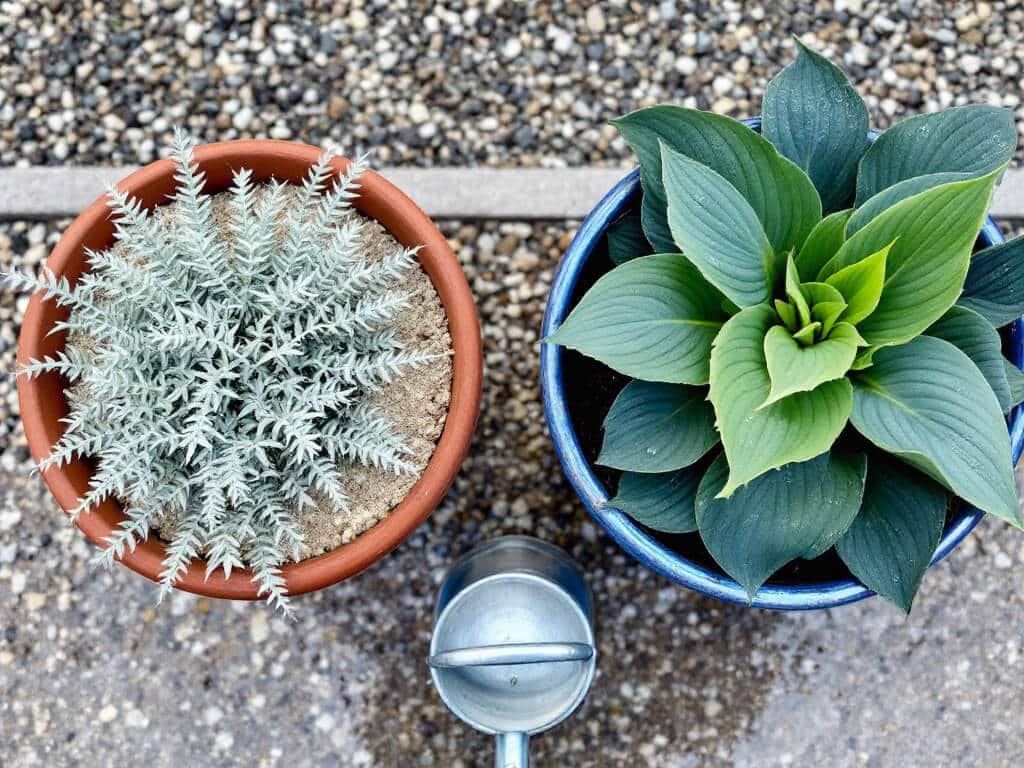
What not to plant with lambs ear
The extension sources caution that “good” and “bad” companion lists are mostly anecdotal, so I can’t name a single plant that is biologically incompatible with lambs ear. What I can do is point out the kinds of plants that create problems. Each one is a growing-condition problem, not a mystery feud.
Plants requiring consistently wet soil
The water needs don’t match. Wet conditions raise lambs ear’s risk of root rot and fungal problems, so a plant that needs steady moisture will pull the bed in the wrong direction. Don’t put lambs ear in a bed where the soil stays wet.
Plants that require frequent overhead irrigation
Water that lands on a neighbor also lands on lambs ear’s fuzzy leaves. That moisture can encourage leaf disease and rot. If a plant needs regular overhead watering, keep it in a separate bed or water it at the base.
Aggressive, moisture-demanding plants
Anything that spreads fast and wants a lot of water will compete with lambs ear for both space and moisture. Lambs ear itself can spread aggressively in favorable conditions, so two spreaders in one bed can turn into a crowded mess. Pick neighbors with a more contained habit.
Dense plants that eliminate airflow
Crowding raises the humidity around the foliage and can make fungal problems worse. A tight, bushy neighbor planted close to lambs ear can do this even if it likes dry soil. Give each plant enough room that air moves between them.
Layout and spacing
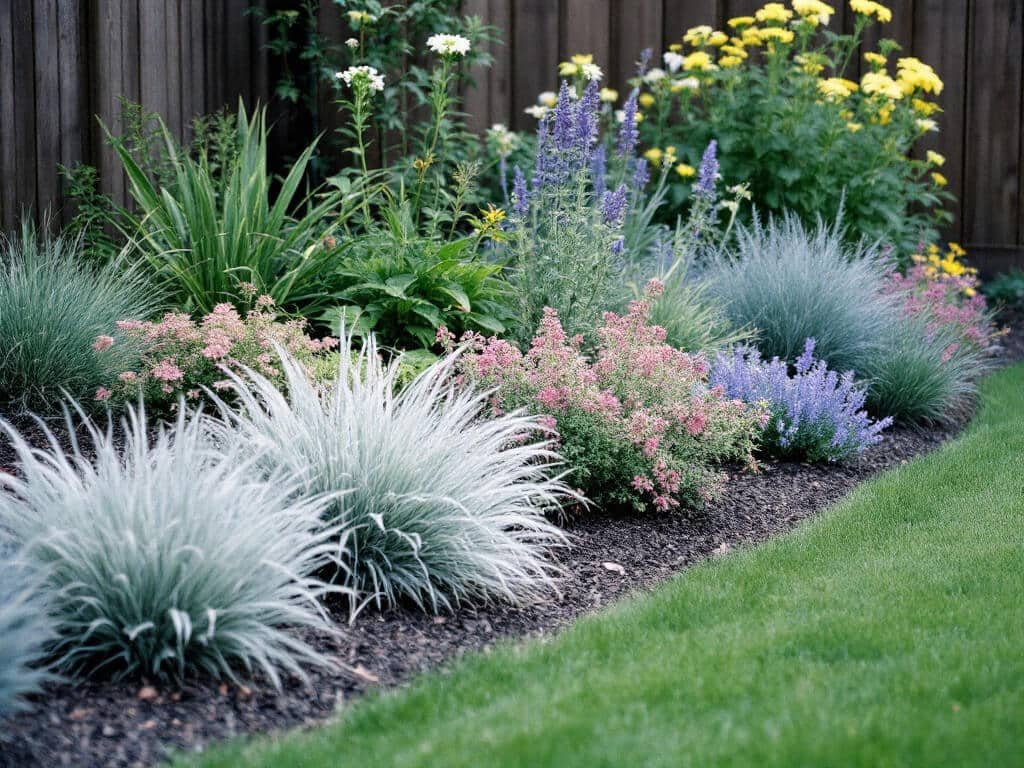
Put lambs ear at the front of a sunny, well-drained border, or in a container where you can keep an eye on its spreading habit. Plant taller, similarly drought-tolerant plants behind it. Leave roughly 12–18 inches around each lambs ear plant, and add room for the companion’s mature spread.
Front of the border: lambs ear, with its low silver foliage visible from the path or lawn edge.
Middle: compact, drought-tolerant plants such as dianthus, sedum, thyme, or sage, kept 12–18 inches away.
Back: taller plants such as Russian sage, yarrow, or coreopsis, about 18 inches from lambs ear.
Larger shrubs and cultivars: rosemary and big lavender cultivars need extra distance for their mature spread.
Containers: use lambs ear alone or with one neighbor, so you can monitor spread and water carefully.
FAQ
What grows well with lambs ear?
Plants that tolerate full sun, good drainage, and relatively dry soil are the practical matches, such as sedum, lavender, thyme, sage, yarrow, and catmint. No specific pest-control benefit was verified for these pairings.
How far apart should lambs ear be planted from companions?
General guidance allows about 12 inches to 3 feet of space for lambs ear, and common planting advice puts many plants roughly 12–18 inches apart. Adjust the distance for the mature size of the cultivar and its neighbor.
Can lambs ear grow beside plants that need regular water?
It’s usually a poor arrangement unless you can keep the irrigation separate. Lambs ear prefers dry-to-medium moisture and very well-drained soil, and wet foliage or waterlogged soil increases the risk of disease and root rot.