
Choosing bean companion plants comes down to two questions: what can share the bed without crowding the beans, and what is actually worth the space. The list is shorter than most garden charts suggest. A few pairings do real work, and a long tail of others rests on tradition.
This guide sorts those out. You’ll get the pairings with a clear job (support, shade, ground cover), the ones that are only traditional, and a layout that works for both bush and climbing beans.
Why pairings matter for bean
Beans are warm-season annuals that want full sun, well-drained soil with organic matter, and steady moisture, especially during flowering and pod development. A good neighbor shares those conditions. A bad one competes for light and water or traps humidity around the leaves.
Bush beans stay compact. Pole and runner beans climb and need a support, which is where the most useful pairing comes from: a plant that holds them up. Beans also fix nitrogen through bacteria on their roots, which is a reason to keep them in rotation with other crops.
Here is the part most companion charts skip. The idea that a particular companion plant will reliably repel bean pests or dramatically raise yield is not well supported. Utah State Extension points out that many traditional recommendations are folklore. Don’t plant anything on the expectation that it will keep bean beetles, aphids, or mites away. Support, shade, ground cover, and habitat for beneficial insects are the benefits you can count on, and even those are modest.
Best companion plants for bean
The first three below have a clear structural job. The rest come from a traditional association list published by Utah State Extension. That list reflects long gardening habit, not controlled trials, so treat those plants as compatible neighbors rather than proven helpers.
Sweet corn
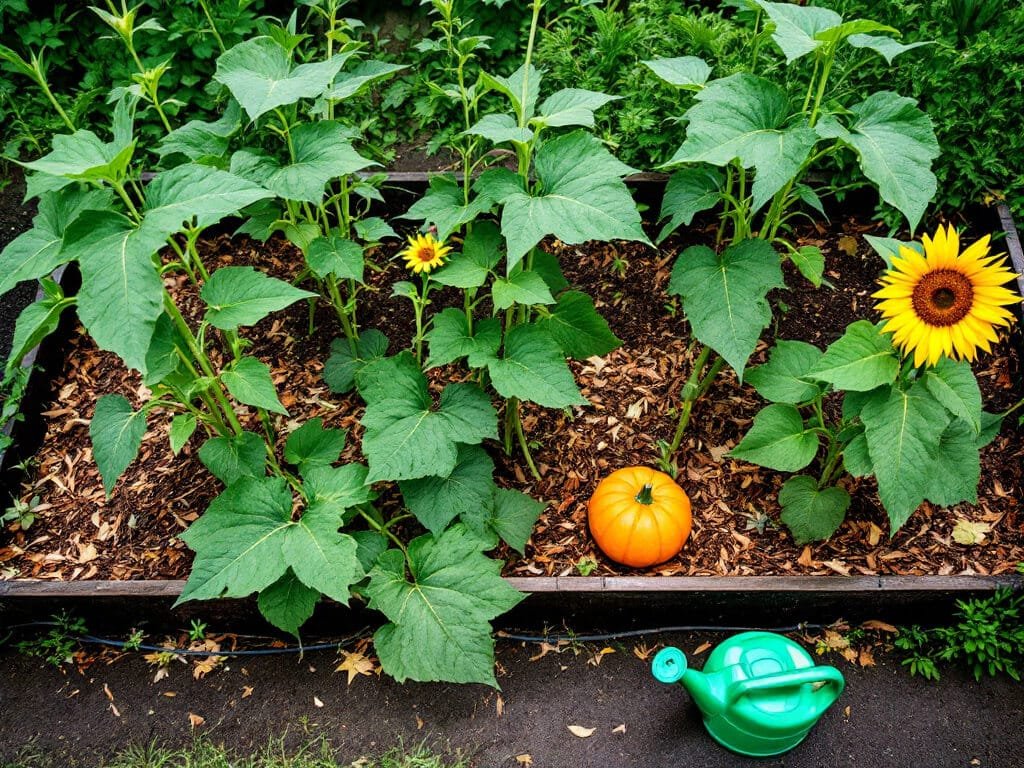
Corn is a living pole for climbing beans, and it’s the best-supported pairing here. Set corn plants about 18 inches apart, then sow climbing beans once the corn is about 12 inches tall. If you plant both at once, the beans can outrun the corn and pull it over.
Squash or pumpkin
Broad squash and pumpkin leaves shade the soil, hold moisture, and suppress weeds. They also sprawl at ground level, so they don’t compete with beans climbing overhead. There is no bean-specific spacing figure. The RHS Three Sisters guideline is about one plant per square metre (a little over 10 square feet) for the whole scheme, which is a decent starting point.
Sunflower
Sunflowers can serve as extra support for climbing beans and attract pollinating insects. No reliable bean-to-sunflower spacing was verified, so leave enough room that the sunflower doesn’t shade the beans or compete with them for water. Tall sunflowers on the sunny side of the bed, not the shady side, is the sensible way to place them.
Summer savory
Summer savory shows up on the traditional list for both bush and pole beans. No pest-repelling mechanism and no spacing have been verified. It’s a small herb, so it’s an easy one to tuck at the edge of a bed, but don’t expect it to protect anything.
Potato
Potato appears on the traditional list for bush beans. No specific benefit or spacing was verified. The reasonable argument for it is that both crops are happy in a sunny, well-drained bed, but keep an eye on airflow as the foliage fills in.
Cucumber
Cucumber is on the traditional list for bush beans and fits the same warm, sunny growing area. No bean-specific spacing or demonstrated benefit was verified. If you train cucumbers up a trellis, keep the bush beans on the sunny side so they aren’t shaded.
Strawberry
Strawberry is listed for bush beans on the same traditional list. A specific benefit and spacing were not verified. Treat it as a low-growing neighbor that shares the bean’s love of sun, and give both plants room so air can move through.
Celery
Celery is another bush bean pairing from the traditional list, with no verified benefit or spacing. Beans and celery both want consistent moisture, which makes watering simple if you plant them side by side.
Radish
Radish appears on the traditional list for pole beans. No specific benefit or spacing was verified. It’s a quick crop, so it’s an easy way to use ground at the base of a trellis, though the brief gives no timing or spacing for it.
Most other vegetables and herbs
Utah State’s traditional list describes beans as compatible with many vegetables and herbs. That broad statement doesn’t give a benefit or spacing for any one plant. In practice, pick plants that want full sun and regular water, stay out of the beans’ light, and leave room for air to move.

What not to plant with bean
No reliably verified universal bad companion for beans turned up. Extension guidance cautions that many compatibility claims, good and bad, are tradition rather than research. So I’d skip the blacklist and use the conditions below instead.
Plants that need shade or dry soil
Beans prefer full sun and consistent moisture. A plant that wants shade or a drier bed will lose that tug-of-war, and putting it in the beans’ shadow only makes things worse. Match light and water first, and the rest sorts itself out.
Anything that crowds the beans
Dense plantings raise competition and disease risk. Bacterial and fungal leaf diseases are common on beans, and tight spacing keeps foliage wet longer. Leave enough room that air moves through the bed, and water the soil, not the leaves.
Beans in the same spot every year
This isn’t a companion plant, but it’s the closest thing to a real mistake on the list. Root diseases and leaf diseases build up where beans keep returning. Rotating the bean bed and cleaning up debris at the end of the season does more for disease than any neighbor will.
Layout and spacing
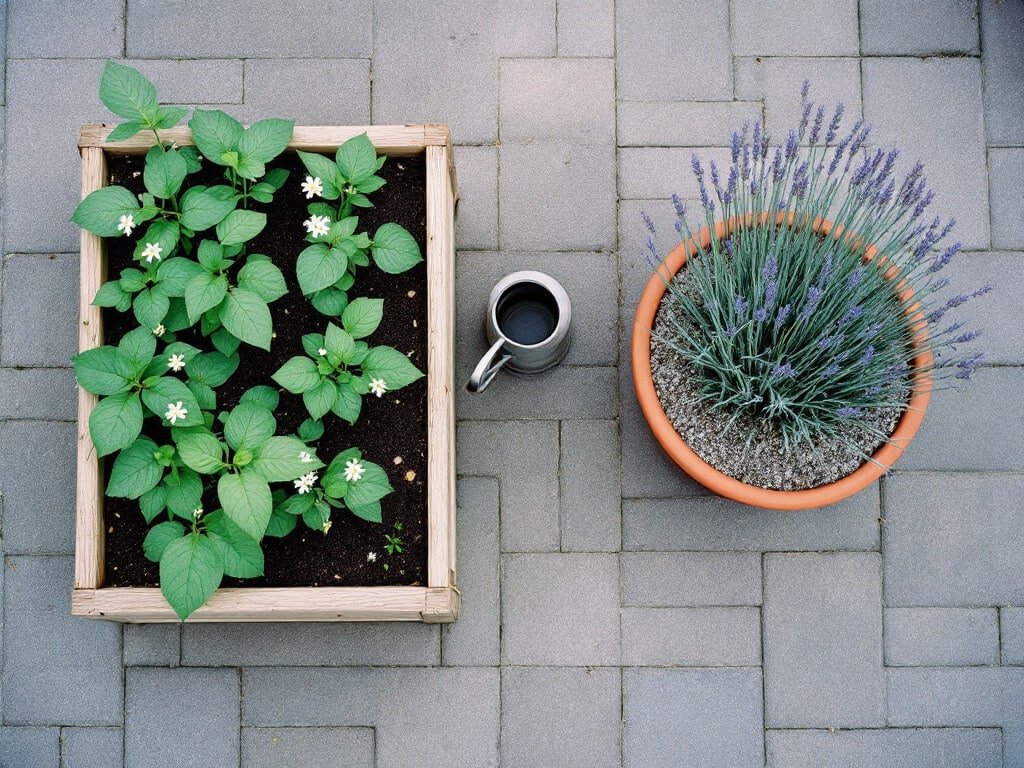
For pole beans, use a sturdy trellis or let them climb corn in a Three Sisters planting. Bush beans stay compact and can go in a bed or a container, but only if every plant gets full sun and enough water. No universal spacing was verified for container pairings, so go by the mature size of each plant.
Three Sisters: Plant corn first, about 18 inches apart. Sow climbing beans when the corn is about 12 inches tall. Use roughly one squash or pumpkin plant per square metre across the scheme.
Squash and pumpkin: Keep them at the edge of the bed so the vines run outward and not over the beans.
Trellis beans: Put sunflowers or other tall plants where they won’t shade the beans.
Bush beans in beds: Pair them with the traditional-list plants above, leaving space for airflow between leaves.
Bush beans in containers: Pair them with compact herbs or other crops only if each plant still gets full sun and adequate water.
Every layout: Plant after frost danger has passed, since beans are frost-tender, and rotate the bed each year.
FAQ
Can beans and corn be planted together?
Yes. In the Three Sisters arrangement, corn supports climbing beans, beans contribute nitrogen, and squash shades the soil. RHS recommends sowing climbing beans after the corn reaches about 12 inches.
Do beans need companion plants to grow well?
No. Beans grow fine on their own. Companions can provide support, ground cover, habitat, or shared space, but extension sources caution that many claimed pest-control effects remain unproven.
Are there definite plants that should never be grown with beans?
No universal blacklist was verified. Choose plants by compatible light, water, mature size, airflow, and disease rotation instead.